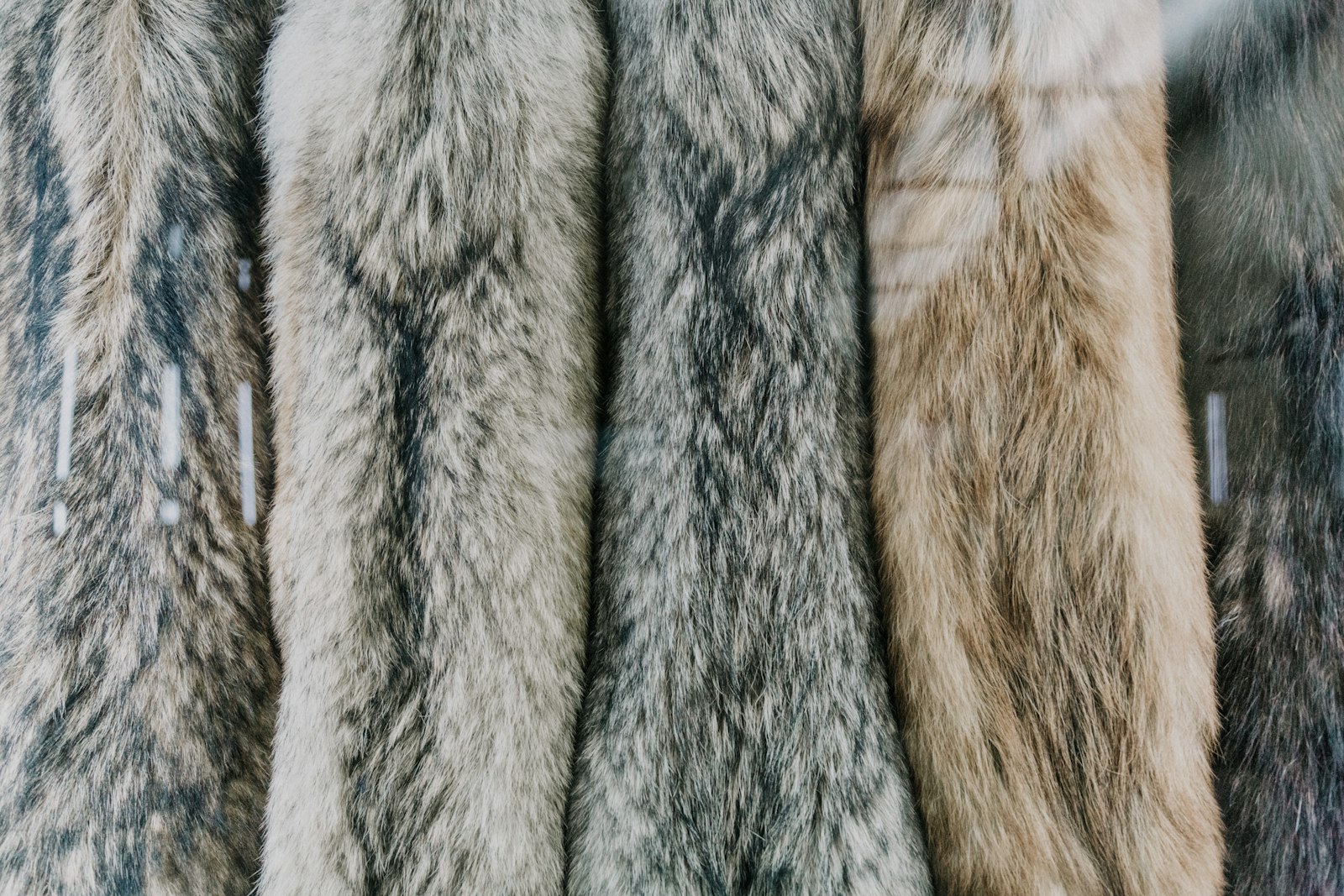
Ask how much does a fur coat cost and you will get answers that swing from a few hundred dollars to the price of a small car. That gap is not marketing noise. It reflects real differences in the raw material, the hours of handwork, and the provenance behind every pelt — and those differences decide whether a coat lasts three winters or three generations. Most buyers never see the reasoning behind the number. A tag shows a price, not the auction grade of the skins, the number of pelts in the body, or whether a machine or a pair of hands shaped the shoulders. That opacity is expensive: it is how people end up paying luxury money for a coat that was assembled quickly from lower-grade skins. This guide breaks down what actually drives the cost of a shearling or fur coat, how to read quality for yourself, and the questions worth asking before you commit. By the end you will know which parts of the price are worth paying for — and which are not.
What You Are Actually Paying For
A fur coat is one of the few garments still made the way clothing was made a century ago. The material is a natural pelt, not a woven bolt of fabric, and no two skins are identical. The price reflects the cost of gathering matched skins, the skill required to work them, and the time the piece spends resting and being finished before it is ever worn.
That is why the same silhouette can carry wildly different prices. Two coats can look alike on a rack and differ entirely in the grade of the pelt, the number of skins used, and whether the seams were hand-sewn or run through a machine. The visible coat is the last five percent of the story.
- Raw material: Winter pelts bought in season, graded and matched by hand — the single largest line in the cost.
- Handwork: Skins cut into ribbons and re-sewn in thousands of invisible stitches, which no machine can replicate cleanly.
- Time & Inspection: Pieces allowed to rest properly during production, followed by multi-day inspection routines.
- Provenance: Traceable sourcing that eliminates quality risk while guaranteeing ethical pelt origins.
- Scarcity: Small-batch production where each crafted piece receives individual artisan attention.
The Pelt: Where Most of the Money Goes
Fur is an agricultural material with a precise window of peak quality. Pelts harvested during mid-winter offer thick underfur and full guard hairs, making them the benchmark standard for long-lasting garments. Pelts collected outside this window feature thinner hair density, shed prematurely, and rarely match cleanly across a full coat.
During professional auctions, skins are categorized into distinct quality grades. A maker sourcing exclusively high-grade winter pelts pays significantly more per skin prior to manufacturing. This commitment directly influences how the garment retains its structure, displays natural color under daylight, and gracefully ages over decades.
- Seasonal density: Winter-harvested pelts provide higher thermal insulation and fuller guard hair depth.
- Sorting & Grading: Pelts undergo rigorous sorting for shade, nap length, and texture uniformity.
- Pelt Matching: A single full-length coat requires dozens of individual skins matched to appear as one continuous surface.
- Traceability: Audited sourcing means every pelt can be traced back to its origin, which is a cost and a guarantee.
Why Hand-Sewing Changes the Price — and the Coat
Fur cannot be treated like cloth. Each skin is a three-dimensional material with a direction of growth, and the way it is cut and rejoined determines whether the finished coat drapes or fights itself. The traditional let-out method — cutting pelts into narrow ribbons and re-sewing them — is how makers shape a coat without bulk and without visible seams.
That work is done by hand, stitch by stitch, because a machine cannot follow the natural movement of the fur. In a house like Furixé, no machines touch the fur at all. The result is a surface that flows in one direction, a silhouette that stays true after years of wear, and seams that disappear into the material rather than interrupting it.
- Precision Let-out: Pelts are ribboned and re-stitched by hand to extend length and refine body contours.
- Invisible Hand-Stitching: Thousands of hand stitches follow the natural lay of the hair to prevent visible seams.
- Preserving Natural Loft: Avoiding heavy machine pressure prevents fur compression and maintains fullness.
- Balanced Drape: Hand-matched skins move naturally with the body without pulling at stress points.
How Much Does a Fur Coat Cost? Reading the Price Tiers
Understanding where a garment sits on the price spectrum helps clarify what you are receiving in terms of materials and construction:
Entry Tier
- Features lighter fur varieties or simpler pelt constructions.
- Utilizes fewer or smaller skins with basic machine-assisted stitching.
- Best suited for occasional light-weather wear.
Mid Tier
- Incorporates denser pelts with closer shade and texture matching.
- Includes visible hand-finishing along structural seams, collars, and closures.
- Delivers solid thermal performance and multi-season durability.
Top Tier Luxury
- Constructed from top-grade winter pelts acquired through audited Nordic auctions.
- Features complete full let-out hand construction with extensive resting periods.
- Delivers maximum warmth, flawless drape, and decades of heirloom longevity.
Shearling vs. Long-Hair Fur: Which Costs More, and Why
While both categories utilize natural hides, shearling coats and long-hair furs serve distinct functional roles and carry different cost structures.
Shearling Coat Characteristics
- Material Structure: A natural sheepskin hide with soft wool left intact on the interior side.
- Weather Performance: Exceptionally resilient against wind and light moisture, making it an ideal choice for daily urban wear.
- Pricing Factors: The shearling coat cost depends on hide suppleness, wool depth, and exterior finish rather than individual pelt counts.
Long-Hair Fur Characteristics (Mink, Fox, Sable)
- Material Structure: Dense underfur paired with long guard hairs that offer dimensional movement and luster.
- Visual Appeal: Delivers rich depth of color and formal elegance.
- Care Requirements: Requires structured seasonal storage and occasional professional conditioning to maintain skin suppleness.
Quality Signals You Can Check Yourself
Evaluating garment quality does not require specialized tools. You can perform several practical checks in person:
- Nap Direction: Gently brush your hand across the surface; hair should flow in one smooth, uninterrupted direction across all panels.
- Seam Inspection: Examine shoulder line joins under direct lighting; high-grade handwork makes seam lines virtually unnoticeable.
- Weight Distribution: Hold the coat by the shoulders; a properly balanced piece feels evenly distributed across the frame rather than bottom-heavy.
- Color Uniformity: Check the garment in natural light to ensure consistent color tone without patchy variations.
- Aftercare Support: Inquire about included maintenance, seasonal storage, and repair services prior to purchase.
Why a Fur Coat Can Cost Less Over Time
Focusing solely on initial purchase price overlooks long-term value. A poorly assembled garment that sheds or loses its shape within a few seasons requires costly replacement. Conversely, a expertly hand-sewn piece built from top-tier pelts offers decades of reliable wear, drastically lowering its true cost per season.
When a garment includes traceable sourcing, hand-sewn durability, and ongoing care options, it transitions from a short-term fashion purchase into an enduring wardrobe investment that can eventually be passed down or restyled.
For step-by-step guidance on keeping your investment piece in peak condition, explore our detailed fur care guide.
- Cost Per Season: Calculate value by dividing total price by the number of winters worn rather than initial outlay.
- Heritage Value: High-grade furs retain structural integrity and can be easily altered, resized, or restyled over time.
- Included Maintenance: Access to dedicated storage, brushing, and inspection preserves leather suppleness for years.
Frequently Asked Questions (FAQ)
- How much does a fur coat cost?
- It depends on the pelt grade, the number of skins, and the amount of handwork. Entry-level coats sit at the lower end, while top-tier pieces built from winter pelts with full hand construction and season-long finishing sit considerably higher. Shearling generally costs less than long-hair fur at comparable quality.
- Why are some fur coats so much more expensive than others?
- The biggest drivers are the season and grade of the pelts, how tightly the skins are matched, and whether the coat was hand-sewn or machine-assembled. Provenance and traceability add cost as well, because buying from audited sources is more expensive than buying anonymously.
- Is shearling warmer than fur?
- Shearling is a wool-on hide and is very warm, often warmer for its weight than lighter long-hair furs. Warmth depends more on the density of the underfur and how the coat is constructed than on the category alone.
- How long should a well-made fur coat last?
- With proper storage, brushing and occasional restoration, a hand-made fur coat can last for decades and be passed on. Machine-made coats from lower-grade pelts typically show wear much sooner.
- What should I ask before buying a fur coat?
- Ask where the pelts came from, whether they are winter pelts, how the coat was sewn, and what aftercare is included. A maker who can answer all four clearly is one worth buying from.
Conclusion
How much a fur coat costs comes down to three things: the quality of the pelt, the skill of the hands that worked it, and the time the piece was allowed to take. Those are the costs that show up in how a coat wears, how it ages, and whether it is still beautiful in twenty years. Everything else — the label, the trend, the season's color — fades faster than the fur does.
Invest in a Piece Built to Last at Furixe
Since 1968, Furixe has hand-crafted luxury outerwear using top-tier winter pelts sourced from audited Nordic auctions. You can learn more about Furixe to explore our heritage and master crafting techniques.
If you have specific sizing, pricing, or material questions, please feel free to reach out directly through our contact page to connect with our specialists.