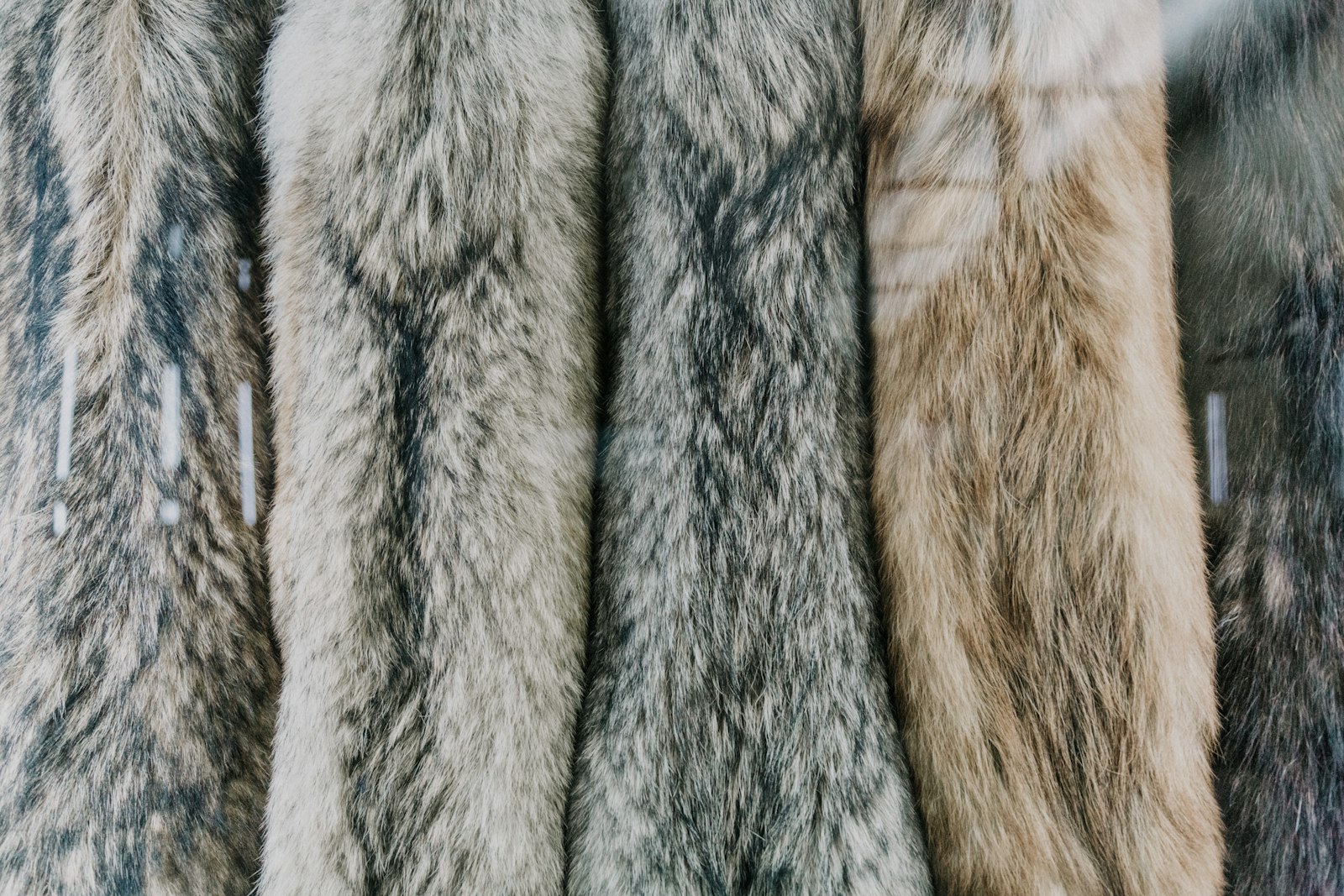
A fur coat that arrives through inheritance almost never fits the person who receives it. It was cut for someone else's shoulders, someone else's height, someone else's way of standing. Left alone, it hangs in a closet and slowly loses value — the leather dries, the guard hairs crush, and a garment built to last generations becomes a storage problem. Fur coat alterations solve that, but not the way most people expect. Fur is not fabric. You cannot simply take in a seam and press it flat. Every change means cutting into pelts, re-matching texture and color across new seams, and re-sewing by hand so the join disappears. Done well, the coat looks as though it was always yours. Done badly, it looks patched — and the damage is permanent. This guide breaks down what a furrier can actually change, what should be left alone, how a resize is executed step by step, and how to judge the work before you hand over a coat you cannot replace.
Why an Inherited Fur Rarely Fits
Fur has no grain line to hide behind and no give in the weave. A wool coat can be taken in at the side seams and pressed back into shape; a mink or fox coat is a skin, and skins behave like leather. Cut one and the cut is visible forever unless it is re-matched and re-sewn by hand.
That is why sizing is the first question in almost every inherited-fur consultation, and why the answer is rarely a simple yes or no. Fit depends on how much surplus there is, where the surplus sits, and whether the pelts at the edges can be reused at the new seam line.
There is also a second issue that has nothing to do with size. A coat stored for twenty years in a dry closet has leather that has lost moisture. It will not tolerate being cut and re-sewn until it has been conditioned. Any furrier who starts cutting on day one is telling you something about their process.
- Shoulders and back: The hardest area to change. Width here is set by the pelt layout, not by a seam allowance.
- Sleeves: Length and taper are among the most straightforward alterations, because the sleeve is a separate unit.
- Body and waist: Take-in is possible where there is surplus; let-out is limited by how much seam allowance was left at the original making.
- Length: Shortening is common and reliable. Lengthening almost never is, because there is no matching pelt to add.
What Fur Coat Alterations Can and Cannot Do
The honest answer is that fur alterations fall into three tiers of difficulty, and the tier determines both the risk and the price. Understanding the tiers before you visit a workroom will save you from an expensive surprise.
The first tier is adjustment: sleeve length, hem length, a small take-in at the sides. These changes keep the original pelt layout intact and re-sew along existing lines. They are the safest work you can commission.
The second tier is reshaping, which means moving seams, narrowing shoulders, or changing the silhouette from a straight cut to something closer to the body. This requires opening the garment, re-matching the pelts across new joins, and re-sewing by hand in thousands of stitches so the seam reads as continuous fur rather than a line.
The third tier is restyling — converting a long coat to a jacket, removing a collar, or rebuilding a piece into something else entirely. This is real furriery, not tailoring. It consumes pelts, and the offcuts often cannot be reused because the texture and color match only within the original layout.
- Reliable: Hem shortening, sleeve shortening, sleeve taper, minor side take-in, lining replacement, closure and hook repair.
- Possible with skill: Shoulder narrowing, waist suppression, collar reshaping, converting a shawl collar to a stand collar.
- Risky or impossible: Lengthening, widening a garment with no surplus, changing a horizontal pelt layout to vertical, repairing pelts that have already shed or balded.
Fur Coat Alterations vs. Buying New: A Cost and Value Comparison
The decision is rarely about money alone. An inherited coat carries provenance, and provenance is the one thing a new coat cannot be given. But the comparison is still worth making honestly, because a bad alteration wastes both the coat and the money.
Option 1: Alter an Inherited Coat
- What you keep: Original pelts, emotional connection, and family history.
- What you gain: A customized garment tailored specifically to your body contour.
- What it costs you: Time in the workroom and the effort required to find a master furrier.
Option 2: Buy a New Coat
What you keep: A guaranteed modern silhouette and fresh pelt history.
What you gain: Zero risk of age-related structural wear.
What it costs you: Full retail price and setting aside the original family heirloom.
Option 3: Do Nothing
- What you keep: The coat exactly in its current state.
- What you gain: No immediate monetary investment.
- What it costs you: Continued drying in storage and a garment that remains unwearable.
The Alteration Process, Step by Step
A proper fur alteration is slower than most clients expect, and the slowness is the point. Here is the sequence a workroom should follow.
1. Assessment and conditioning. The coat is examined under daylight, not fluorescent light, because color and texture match can only be judged under a neutral source. Leather condition is checked at the shoulders, the underarms and the hem — the three places that dry first. If the skins are brittle, the coat is conditioned and rested before any cutting begins.
2. Marking on the body. Measurements are taken on you, in the coat, with the lining in place. Fur sits differently over a sweater than over a shirt, and a workroom that measures a coat lying flat will produce a coat that fits a table.
3. Opening the garment. The lining is removed. Seams are opened with a blade, not pulled, because pulling stretches the leather and leaves a wave that cannot be pressed out.
4. Re-matching the pelts. This is the step that separates a furrier from a tailor. When a seam moves, the pelts on either side must be re-matched for color, density and hair length so the new join disappears. Mismatched pelts are the single most common flaw in a cheap alteration.
5. Re-sewing by hand. Pelts are cut into ribbons and re-sewn in thousands of invisible hand stitches. Machines are not used on fur — a machine stitch perforates the leather and creates a tear line that will fail within a few seasons.
6. Resting and finishing. The finished coat rests before it is brushed and inspected. At Furixé, every piece rests a full season and is then brushed and inspected over four days. An alteration workroom may not keep your coat that long, but it should rest at least several days before final fitting.
7. Final fitting and monogram. The coat goes back on your body. Hooks, closures and lining are checked. If the house signs its work, this is when the year of the alteration is recorded alongside the original making.
How to Judge a Furrier Before You Hand Over the Coat
You are entrusting an irreplaceable piece to someone else's hands. Ask specific questions before committing to any service:
- Ask about hand-sewing: Inquire whether joins will be hand-crafted. Machine stitching on delicate pelts weakens the leather structure.
- Ask about pelt matching: Request an explanation of how they match hair density, shade, and nap direction across resized seams.
- Ask about dry leather protocols: A knowledgeable artisan will explain leather conditioning before cutting brittle pelts.
- Ask about the lining: Sizing work is the ideal moment to inspect hidden interior seams and replace worn linings.
- Ask what they refuse to do: An experienced furrier who declines impossible modifications is protecting your coat's structural integrity.
Care After an Alteration
A freshly altered coat requires proper attention during its first season because new hand-sewn joins need time to settle. Following established maintenance routines ensures your resized piece lasts for years to come. For complete step-by-step preservation methods, review our detailed fur care guide.
- Storage: Use a broad padded hanger inside a breathable cloth garment bag. Never store fur in plastic bags, as plastic traps humidity and degrades leather.
- Brushing: Gently brush the fur in the natural direction of the hair after wearing to remove surface dust.
- Moisture management: If the garment gets wet from snow or rain, shake off excess moisture and let it air-dry naturally away from heaters or radiators.
- Regular inspection: Check hand-sewn seams annually so minor wear can be touched up before becoming a larger tear.
Frequently Asked Questions (FAQ)
- Can any fur coat be resized?
- Most can be taken in where there is surplus, but widening is limited by the original seam allowance. A furrier must inspect the coat in person to answer definitively.
- How long does a fur coat alteration take?
- Simple adjustments such as sleeve or hem shortening can be done in a few weeks. Reshaping and restyling take longer, because the coat must be opened, re-matched and rested before finishing.
- Will the alteration be visible?
- Not if the pelts are re-matched for color, density and hair length and the new seams are hand-sewn. Visible joins are a sign of rushed or inexperienced work.
- Can I shorten a long fur coat into a jacket?
- Yes, this is a common restyling. It is real furriery rather than tailoring, and the offcuts usually cannot be reused because they match only within the original pelt layout.
- Should I alter an inherited fur or leave it as it is?
- If the coat fits reasonably, wear it and maintain it. If it does not fit, alteration is usually the better path — a coat that fits gets worn, and a coat that gets worn stays in condition.
Conclusion
Fur coat alterations are not tailoring applied to a different material. They are furriery: cutting into pelts, re-matching texture and color across new seams, and re-sewing by hand so the join disappears. The work is slow, and the slowness is what protects the coat. An inherited fur that fits will be worn for decades; one that does not will sit in a closet and dry out. Choose the workroom by how they talk about pelts and hand-sewing, not by how fast they promise to return it.
Restore an Inherited Fur at Furixe
Furixe has been hand-crafting and restoring luxury outerwear since 1968, adhering to the highest artisan standards. Learn more about Furixe to understand our heritage, pelt standards, and master crafting methods. If you have inherited a piece that needs resizing or complete restyling, reach out through our contact page to consult with our team on an assessment.