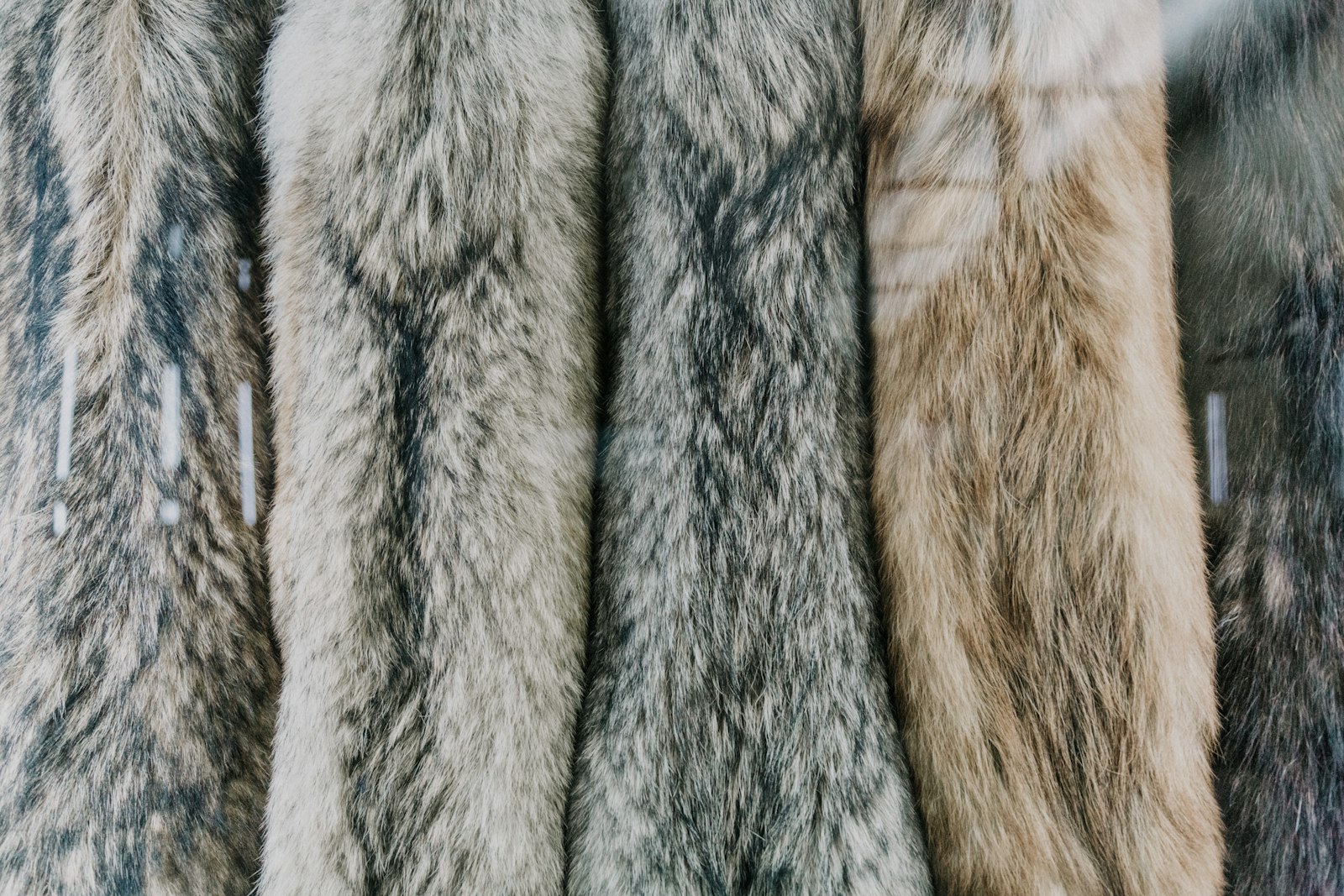
A fur hat is one of the few winter purchases you can reasonably expect to wear for thirty winters. That is exactly why getting it wrong is so expensive. A hat that sits too low, swallows the forehead or fights the collar of your coat ends up in the hall closet by January, and the money you spent on it never comes back. The good news is that the problem is almost never the fur. It is proportion. Crown height, brim width, volume and color all interact with the shape of your face and the line of your coat, and once you understand those relationships the choice becomes simple rather than intimidating. This guide breaks down how to select a fur hat for face shape and coat in practical terms: how to read your own proportions, which silhouettes suit which features, how to match the hat to the coat you already own, and the fitting details worth checking before you commit to a piece made to be inherited.
Start With Proportion, Not Trend
The single most useful rule in hat styling is that the hat should be in proportion to the head and the body, not to the season's lookbook. A hat that is too small reads as an afterthought; one that is too large overwhelms the face and makes the wearer look like they are borrowing someone else's clothes.
Fur has an advantage here that wool and felt do not. Because fur is built from individual pelts that are stretched, matched and graded by hand, a maker can adjust the crown height and brim width to your measurements rather than forcing you into a stock size. That flexibility is the difference between a hat you tolerate and one you reach for every morning from October to March.
- Crown height: The distance from the brim to the top of the hat. Taller crowns elongate the face; shorter crowns round it.
- Brim width: A wider brim adds horizontal line and softens a long face; a narrow or absent brim keeps the silhouette vertical.
- Volume: How much the fur stands away from the head. Low volume reads formal and sleek; high volume reads casual and dramatic.
- Color contrast: A hat close to your hair color blends and lengthens; a contrasting hat draws the eye upward and frames the face.
How to Read Your Own Face Shape
Before you look at a single hat, stand in front of a mirror with your hair pulled back and trace the outline of your face with your eyes. Ignore your features and look only at the widest point and the overall length. Most faces fall into one of five broad categories, and each one responds to a different hat strategy.
You do not need to be precise. Most people sit between two categories, and the goal is simply to know whether you are trying to add width, add height, or soften an angle.
- Oval: Balanced length and width. Almost every silhouette suits you, so choose based on coat and lifestyle rather than correction.
- Round: Width and length are close, with soft jaw and cheek lines. You want height and vertical line, not added width.
- Square: Strong, angular jaw with similar forehead and cheekbone width. You want softness and curve to counter the straight lines.
- Heart: Wider forehead tapering to a narrow chin. You want volume near the jawline and a brim that does not add width up top.
- Long or oblong: Noticeably longer than wide. You want horizontal line — a brim, a lower crown, or a hat worn slightly back — to shorten the visual length.
The Best Fur Hat for Face Shape: Five Matches That Work
These pairings are starting points, not laws. Use them to narrow the field, then judge the hat on your own head in a mirror, ideally wearing the coat you plan to pair it with.
One practical note: fur photographs flatteringly from almost every angle, so a mirror and a second opinion matter more than a picture. If you are ordering remotely, take advantage of a return window and try the hat with your actual winter wardrobe.
- Round face — tall crown, minimal brim: A structured hat with height and low volume draws the eye upward and adds the vertical line your face lacks. Avoid wide, flat brims and very fluffy, round silhouettes.
- Square face — soft crown, curved brim: A slightly rounded crown and a gently curved brim echo your angles without repeating them. A hat worn tilted a touch to one side breaks the symmetry of a strong jaw.
- Heart face — medium crown, wider brim: A brim that sits just above the brow adds width lower down and balances a broader forehead. Avoid extra volume stacked at the top of the crown.
- Long face — low crown, wide brim: Horizontal line is your friend. A wider brim and a crown that sits lower on the head shorten the visual length of the face considerably.
- Oval face — anything, chosen by coat: Since proportion is already on your side, let the coat decide. Match the hat's volume to the coat's volume and you will rarely go wrong.
How to Match the Hat to the Coat You Already Own
Most people buy the hat first and then discover it argues with their coat. Work in the other direction. Lay your three most-worn winter coats out and look at their collars, shoulders and length before you consider a single hat.
The goal is a continuous line from hat to hem. When the hat's volume and the coat's volume are in the same family, the outfit reads as intentional. When they are not, the hat looks like an addition rather than a completion.
- Structured wool or cashmere coat: A clean, low-volume fur hat in a similar tone keeps the line unbroken. This is the most versatile pairing and the safest first purchase.
- Long, sweeping fur or shearling coat: The coat is already the statement. Choose a hat with matched volume and color so the two read as one piece rather than competing.
- Puffer or technical parka: A high-volume, casual fur hat balances the bulk of the jacket. A delicate, formal hat will look undersized against it.
- Tailored city coat with a strong collar: Keep the hat close to the head so it does not crowd the collar. A tall crown plus a large collar competes for the same space.
- Color strategy: Matching the hat to the coat is the most formal, most timeless choice. Matching it to your boots or gloves ties the look together without making the hat the loudest element.
Fur Hat Styles Compared: Which Silhouette Suits Which Face
Different hat constructions solve different proportion problems. This comparison sets out what each classic silhouette does, so you can match the shape to the face rather than guessing from a name.
- Cossack or tall crown | Adds height, narrows a round or wide face | Best on round and oval faces, harder on a long face
- Pillbox or low crown | Keeps the line short and sleek, minimal volume | Best on long and oval faces, can flatten a round face
- Beret or soft tilt | Adds asymmetric softness and a diagonal line | Best on square and heart faces, needs confident styling
- Wide-brim or fedora-style | Adds horizontal width and shade across the brow | Best on long and heart faces, avoid on round faces
- Halo or headband style | Frames the face without covering the crown | Best on oval and heart faces, less corrective for others
Fitting Details Worth Checking Before You Buy
Proportion is the visible half of the decision. The invisible half is construction, and it determines whether the hat still looks right in year ten. Because a hand-sewn fur hat is built from pelts that are stretched, matched and graded by hand, the maker controls details that a machine-sewn hat simply cannot.
Ask about these points directly, whether you are buying in person or remotely. A house that makes slowly will answer them without hesitation.
- Head measurement: A hat should sit just above the brow and stay put without pinching. Measure the circumference at the widest point of your head, above the ears.
- Pelt matching: Look for consistent density, length and direction of fur across the crown. Mismatched pelts show as patches of light and shadow.
- Seam invisibility: Let-out construction cuts pelts into ribbons and re-sews them in thousands of hand stitches so the seams disappear. Visible machine seams break the line of the hat.
- Resting and finishing: Quality fur is allowed to rest before finishing, then brushed and inspected by hand. Ask how long the piece rests before it ships.
- Aftercare: Storage, brushing and restoration matter over a thirty-year life. A workmanship promise that covers these for as long as you own the piece is worth more than a lower sticker price.
Frequently Asked Questions (FAQ)
- What is the best fur hat for face shape if I have a round face? — Choose a hat with a tall crown and low volume, and avoid wide flat brims. Height and vertical line slim a round face, while added width makes it appear rounder.
- Should my fur hat match my coat exactly? — Not necessarily. Matching the hat to the coat is the most formal and timeless choice, but matching it to your gloves or boots also works and keeps the hat from dominating. The reliable rule is to keep the volume of the hat and coat in the same family.
- Can a fur hat be resized or adjusted? — Often, yes, depending on construction. Because hand-sewn fur is built from pelts that are stretched and matched by hand, a maker can frequently adjust fit and proportion. Ask before you buy rather than after.
- How do I know if a fur hat is well made? — Check for consistent pelt matching, invisible seams, and a crown that holds its shape. A well-made hat rests and is finished by hand before it ships, and the maker will offer ongoing storage, brushing and restoration.
- How long should a quality fur hat last? — A hand-sewn fur hat made from quality winter pelts is intended to last for decades and to be inherited, provided it is stored and brushed properly between seasons. That lifespan is the reason proportion and fit are worth getting right the first time.
Conclusion
Choosing a fur hat comes down to two decisions: the silhouette that balances your face, and the volume and color that complete the coat you actually wear. Get those right and the hat stops being a seasonal accessory and becomes part of how you dress for the next thirty winters. Get them wrong and no amount of quality fur will save it from the closet. Read your proportions, lay out your coats, and let the two answer the question together.
Choose a Fur Hat Made to Be Inherited
Furixé has hand-sewn fur hats and coats in its atelier on Copenhagen's Bredgade since 1968, using only winter pelts bought in season from audited Nordic auctions and traceable to their source. Every piece is stretched, matched and graded by hand under northern light, rests a full season, and is brushed and inspected over four days before it leaves the house — then signed with the monogram and the year of its making. Explore the Furixé collection to find a hat in the proportion that suits your face and your coat, with free worldwide shipping and 30-day easy returns to help you decide.