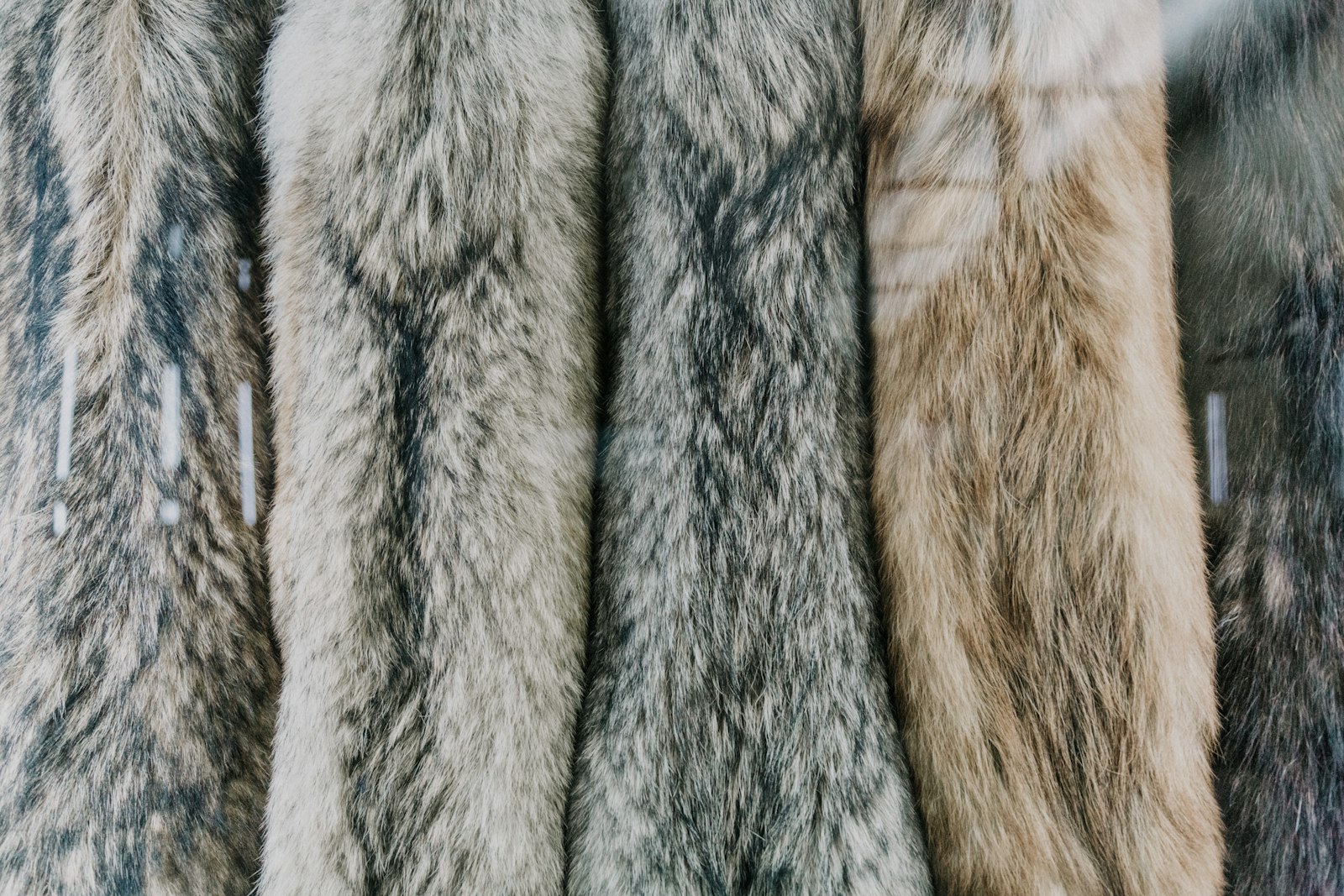
A fur coat is one of the few things you own that can outlive you. It is also one of the few things a standard dry cleaner can destroy in a single afternoon. Heat, solvent and tumble agitation break down the leather of the skin, and once a pelt dries out or sheds, no cleaning method brings it back. The stakes are simple. A coat cleaned the wrong way loses its loft, its drape and eventually its value. A coat cleaned the right way, at the right time, by the right hands, holds its shape for decades and can be passed down. The difference between those two outcomes usually comes down to one decision: do you handle this at home, or does it go to a specialist? This guide breaks down what fur coat cleaning actually involves, which problems you can solve yourself in ten minutes, which ones require a professional bench, and how to store a fur between seasons so it needs less cleaning in the first place.
Why Fur Coat Cleaning Is Not Dry Cleaning
Fur is natural skin with organic hair attached. That single structural fact explains almost every maintenance rule that follows. The hair consists of delicate protein fibers, the skin underneath is soft leather, and both react disastrously to the harsh chemicals and heat used in conventional dry cleaning. A dry cleaner who accepts a fur without a dedicated conditioning department is taking an unnecessary risk with your garment.
The leather layer is always what fails first under harsh treatment. Chemical solvents strip the essential oils that keep the skin supple, while high heat accelerates drying. The coat may come back looking acceptable initially, only to shed along the primary seams a season later when the hidden damage has fully set in.
At Furixe, professional fur coat cleaning works through a specialized cleaning and re-oiling process. Accumulated dust and soil are lifted safely from the hair fibers, essential oils are replenished into the leather skin, and the garment is dried slowly under climate-controlled conditions before being hand-brushed and finished.
- The Hair Fibers: Protein structures that require gentle air-fluffing and soft surfactants rather than harsh chemical baths.
- The Leather Hide: Natural skin that demands controlled humidity and fat-liquoring oils to remain supple and tear-resistant.
- The Inner Lining: Typically silk, satin, or cupro. Must be unstitched and cleaned independently to avoid shrinking the hide.
- Hand-Sewn Seams: Critical structural stress points that split instantly if the underlying hide dries out or becomes brittle.
What You Can Safely Do at Home
Most of what a natural coat needs between winter seasons is not intensive washing. It is regular brushing, airing, and immediate attention to fresh surface marks. Handled within the first day or two, a surprising number of everyday maintenance tasks never require a specialist when executing how to clean a fur coat at home.
Always work in a cool room with natural airflow and zero direct sunlight. Lay the coat completely flat on a clean white sheet rather than hanging it during cleaning, preventing the heavy weight of damp pelts from stretching delicate shoulder seams.
- Brushing the Nap: Use a soft-bristled fur brush or a clean, barely damp lint-free cloth. Work gently in the natural direction of the hair using short, sweeping strokes to lift surface dust and restore original loft.
- Airing Out Trapped Odors: Hang the garment on a broad, padded wooden hanger in a cool, dark room with generous air circulation for a few hours after wearing. This releases trapped environmental odors without applying chemical products.
- Blotting Fresh Water Spills: If caught in rain or snow, blot the surface immediately with a dry white towel. Allow the coat to air-dry naturally away from radiators, heat vents, or hairdryers.
- Cleaning Collar and Cuff Edges: Wring out a soft cloth until it is barely damp. Wipe gently with the nap to remove surface skin oils, then dry immediately with a clean towel.
- Removing Loose Dust: Hold the coat firmly by its reinforced shoulders and shake it gently outdoors on a crisp, dry day to dislodge grit before it settles into the skin layer.
When At-Home Care Stops and a Specialist Starts
There is a clear line between routine maintenance and professional restoration. That line is drawn by what has soaked into the hide rather than what sits loosely on the outer guard hair. Anything that penetrates the leather skin demands a specialized workstation, because lifting deep stains requires pH-balanced conditioning agents and controlled drying environments.
Treat any of the following occurrences as an immediate stop sign. Do not attempt home spot-treatments or hand the garment to a standard dry cleaner.
- Grease, Oil, or Cosmetic Marks: These substances quickly penetrate hair shafts and darken the underlying leather hide. Requires prompt professional fur cleaning.
- Stains Older Than a Few Days: Set stains bond chemically with natural leather oils. The longer they sit untreated, the more brittle the pelt becomes.
- Saturated or Waterlogged Pelts: Soaking wet leather shrinks and hardens as it dries. This requires slow, tension-controlled drying on specialized block forms.
- Persistent Musty or Smoke Odors: Deep-seated smells indicate trapped moisture inside the leather pores, which often leads to mold growth if unaddressed.
- Shedding, Matting, or Bald Spots: Clear warning signs that the skin has lost its moisture content. Standard cleaning will not suffice; a dedicated fur restoration service is required.
- Annual End-of-Season Servicing: Even a coat that appears clean accumulates microscopic grit and body oils over a winter season that must be extracted professionally.
At-Home Care vs. Specialist Cleaning: A Direct Comparison
Understanding which tasks belong at home versus a specialist bench prevents accidental garment damage while avoiding unnecessary servicing costs:
Daily & Weekly Surface Maintenance
- At-Home Care: Ideal for weekly brushing with a soft fur brush and airing out after wear.
- Specialist Bench: Unnecessary for routine surface dust; handled automatically during annual servicing.
Fresh Moisture & Water Exposure
- At-Home Care: Safe for light rain or snow if blotted immediately with a dry towel and air-dried away from heat.
- Specialist Bench: Required if the coat was completely soaked through or if the leather feels stiff after drying.
Grease, Makeup & Deep Leather Odors
- At-Home Care: Never attempt at home; household detergents dissolve essential leather oils.
- Specialist Bench: Required immediately; utilizes specialized absorbent powders and oil-replenishing baths.
Lining Care & Seasonal Storage
- At-Home Care: Vacuuming lining surface gently on low power; never detach the lining at home.
- Specialist Bench: Required annually; lining is unstitched, hand-cleaned, repaired, and re-sewn by hand.
How Professional Fur Coat Cleaning Actually Works
Knowing the professional cleaning workflow helps you evaluate whether a service provider possesses genuine furrier expertise. A thorough cleaning is a slow, methodical process that treats the skin with as much care as the outer hair.
It begins with a meticulous seam-by-seam inspection under neutral daylight, checking for seam stress, lining wear, and leather dryness. Once cleared, the garment undergoes a specialized cleaning bath using natural sawdust or soft absorbent media saturated with mild conditioning agents. This lifts grease and dirt from the guard hair without submerging the hide in liquid solvents.
To explore our full range of maintenance solutions and professional preservation standards, feel free to check our dedicated services and care guide.
The final stage is hand-finishing: the nap is lifted using steam air-blowers, hair alignment is brushed, and any minor seam stress is reinforced by hand. Every piece crafted in our atelier undergoes rigorous resting and multi-day inspection routines to guarantee structural integrity.
How Often Should a Fur Coat Be Cleaned?
Once a year is the golden rule for any coat in regular winter rotation, timed precisely at the end of the season before summer storage. Professional servicing in spring removes invisible perspiration, city dust, and perfume oils accumulated over winter, preventing them from setting into the hide during warm months. Soil left on pelts throughout summer is what attracts moths and creates permanent discoloration.
A coat worn only a handful of times each winter can often extend its cleaning interval to every two years, provided it is inspected annually. If the coat has been stored properly in climate-controlled conditions and shows no oil buildup, simple brushing and airing may suffice.
Never clean a fur as an automatic reflex after a single wear. The cleaning process, while essential when needed, subjects the skin to mechanical handling. Proper fur coat care means cleaning frequency should match real wear rather than arbitrary calendar dates.
Storage: The Cheapest Fur Coat Cleaning You Will Ever Do
More than half of the structural damage that sends outerwear to a specialist occurs inside residential closets during summer. Heat, light exposure, excess humidity, and tight compression ruin more garments over July and August than normal winter wear ever could. Practicing proper fur coat storage between seasons is the single most effective way to protect pieces from our luxury fur coats collection and minimize maintenance costs.
Always hang your coat on a broad, contoured padded hanger to support shoulder structure without creating sharp pressure points. Enclose the garment in a breathable cotton or canvas garment bag — never plastic. Plastic covers trap ambient humidity, creating a micro-environment that dries out leather hides and encourages mildew growth.
Keep stored garments in a cool, dark, and dry interior closet away from exterior walls, heating ducts, and direct sunlight. Ensure there is at least two inches of space around the coat so air can circulate freely without crushing the hair loft.
If climate-controlled professional storage is available in your area, it remains the gold standard for valuable heirlooms. Specialist vaults maintain constant low temperatures (around 10°C / 50°F) and 50% relative humidity, completely stopping leather degradation and insect activity.
Frequently Asked Questions (FAQ)
- Can you dry clean a fur coat?
- No. Standard dry cleaning uses heat and solvent that strip the oils from the leather skin and cause shedding and cracking. Fur needs a dedicated cleaning and conditioning process, not conventional dry cleaning.
- How do I clean a fur coat at home?
- Stick to brushing the nap with a soft brush, airing the coat in a cool dark room, and blotting fresh water marks immediately with a dry white towel. Anything that has soaked into the skin, including grease, oil and set stains, needs a specialist.
- How much does fur coat cleaning cost?
- The cost depends on garment length, pelt type, lining condition, and whether structural repairs or leather conditioning are required. A reputable specialist should always inspect the physical coat before providing a binding quote.
- Can a matted or shedding fur coat be restored?
- In many cases, yes, provided the underlying leather hide has not oxidized or dried beyond recovery. Professional restoration involves re-hydrating the skin through fat-liquoring oils and re-stitching stressed seams by hand.
- How should I store a fur coat between seasons?
- Hang the coat on a broad padded hanger inside a breathable cotton or canvas bag. Store it in a cool, dark, dry closet with plenty of room for air circulation. Never use plastic bags, heat sources, or tight compression.
Conclusion
Fur coat cleaning comes down to one clear dividing line: what sits on the outer hair is yours to manage with gentle brushing and airing, while what reaches the underlying leather skin belongs on a specialist's bench. By establishing a routine of gentle at-home care, blotting fresh spills immediately, and utilizing proper seasonal storage, you preserve the natural luster and structural resilience of your garment for a lifetime.
Protect a Coat Made to Be Inherited
Fur coat cleaning comes down to one clear dividing line: what sits on the outer hair is yours to manage with gentle brushing and airing, while what reaches the underlying leather skin belongs on a specialist's bench. By establishing a routine of gentle at-home care, blotting fresh spills immediately, and utilizing proper seasonal storage, you preserve the natural luster and structural resilience of your garment for a lifetime.
If you require care advice, professional maintenance recommendations, or restoration assistance for a piece you already own, please reach out directly through our contact us page to connect with our specialists.