Fur is the loudest material in most wardrobes, which is exactly why it should be worn quietly. The pieces that look right over decades are the ones that were allowed to be the only interesting thing in the outfit.
Let one piece speak
A fur coat is a complete statement, and it does not need help. Build the rest of the outfit from matte, quiet things: fine wool, cashmere, brushed cotton, leather that has already lost its shine. When fur is worn over another textured luxury — heavy brocade, sequins, dense embroidery — the two compete and both lose.
The exception is texture in the same family. A cashmere turtleneck under a shearling reads as deliberate; a shimmering top under the same coat reads as noise.
Silhouette over volume
Fur adds bulk, so the silhouette beneath it has to be clean. A long coat over narrow trousers is the shape the maison has returned to every decade since 1968, and it is the shape that photographs least badly on the widest range of people.
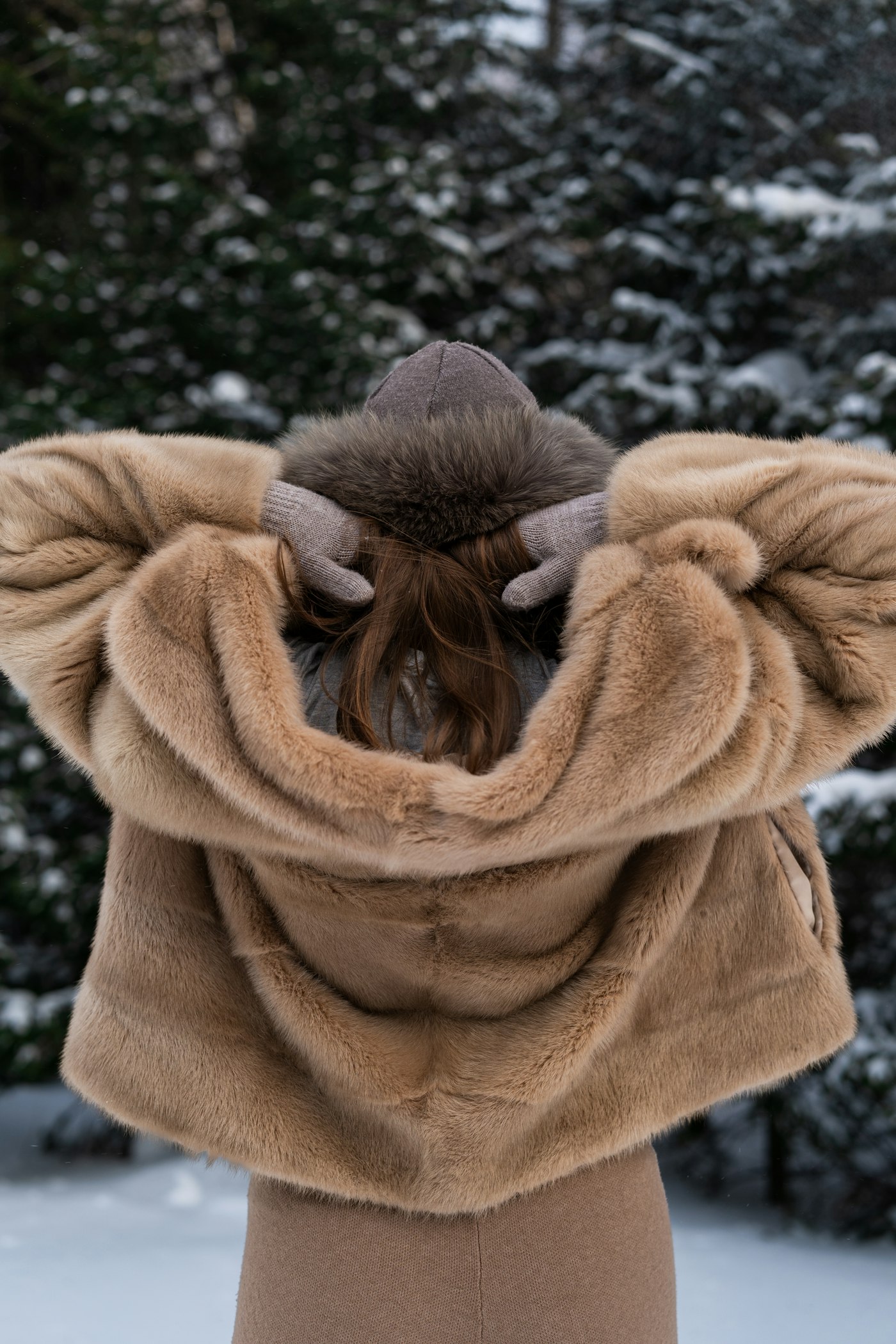
For shorter pieces — hats, cropped jackets, gilets — the opposite applies. Balance the volume above by keeping the rest of the line long and simple.
- Long coat, narrow leg: the shape that has never needed revising
- Keep the palette warm and low-contrast against natural pelt colours
- Let the coat be the only shine in the outfit
- Choose a hat that repeats a colour already in the coat, not a new one
Wearing colour
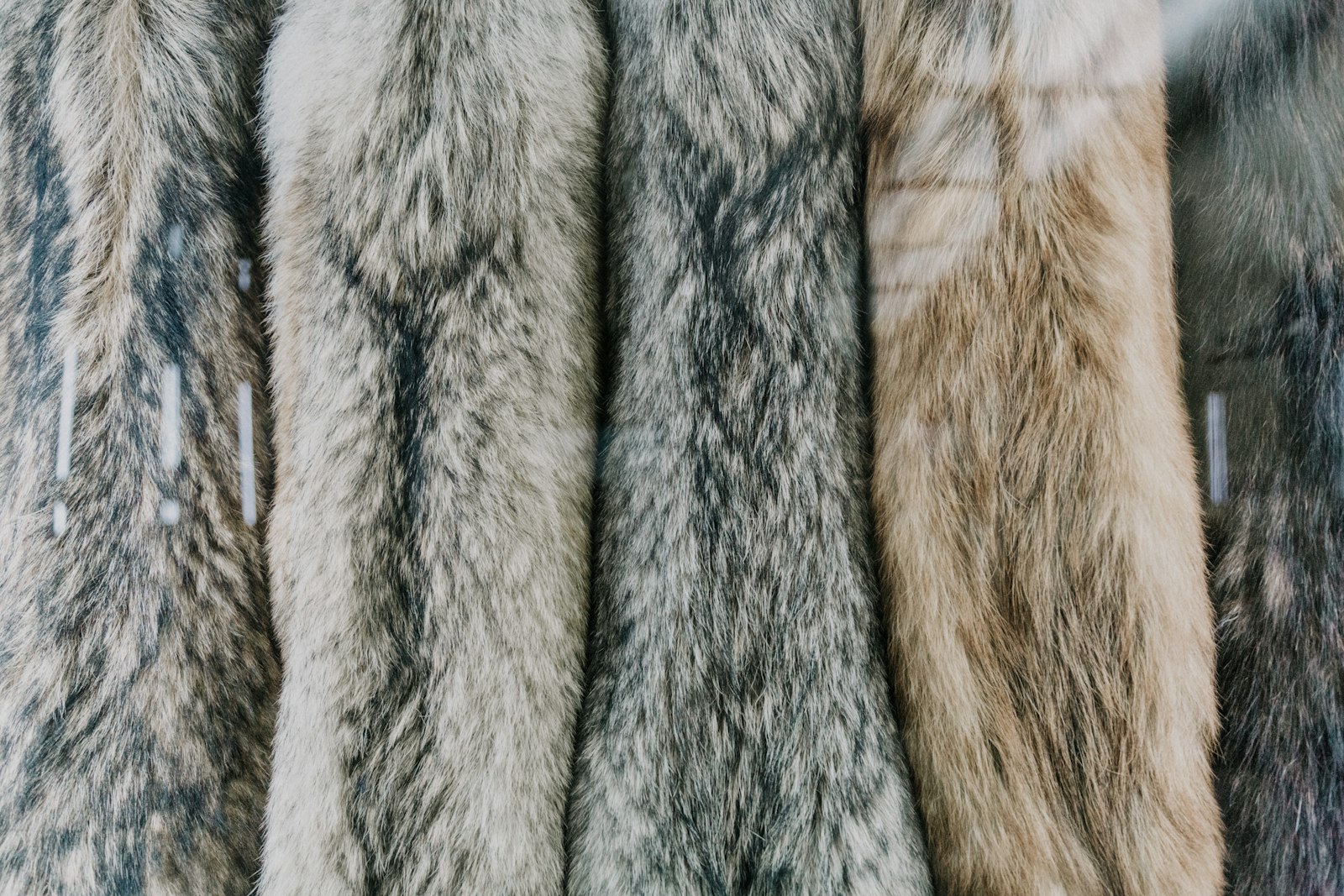
A pelt already carries three or four tones within it. Adding a strong garment colour underneath fights that natural variation, which is the most expensive thing about the material. Warm neutrals — camel, ecru, oxblood, deep brown — sit inside the pelt's own range and let it read as it was graded.
If you want contrast, take it in the accessories rather than the clothes: a dark glove against a pale coat is a sharper line than a colour-blocked outfit will ever be.