Most winter hats fail in the same three places: wind cuts through them, trapped moisture turns cold, and the fit leaves gaps at the ears and forehead. A hat that looks warm on a shelf can still leave you shivering on a ten-minute walk, which means you either replace it every season or avoid going out at all. The two hats people reach for most are fur and wool. Both have real strengths, and both have conditions where they underperform. Knowing which material handles wind, damp and deep cold best is the difference between one hat that lasts a decade and three that never quite work. This guide compares fur hats and wool beanies on insulation, wind resistance, moisture, fit and styling, so you can pick the warmest winter hat for women in your actual climate — not the one with the best marketing copy.
How Heat Actually Escapes Your Head
Your head does not lose heat faster than the rest of your body, but it is usually the most exposed part in winter. A hat works by trapping a layer of still air next to your skin. That layer is what insulates you — the material itself matters less than how well it holds air in place and keeps wind and water out.
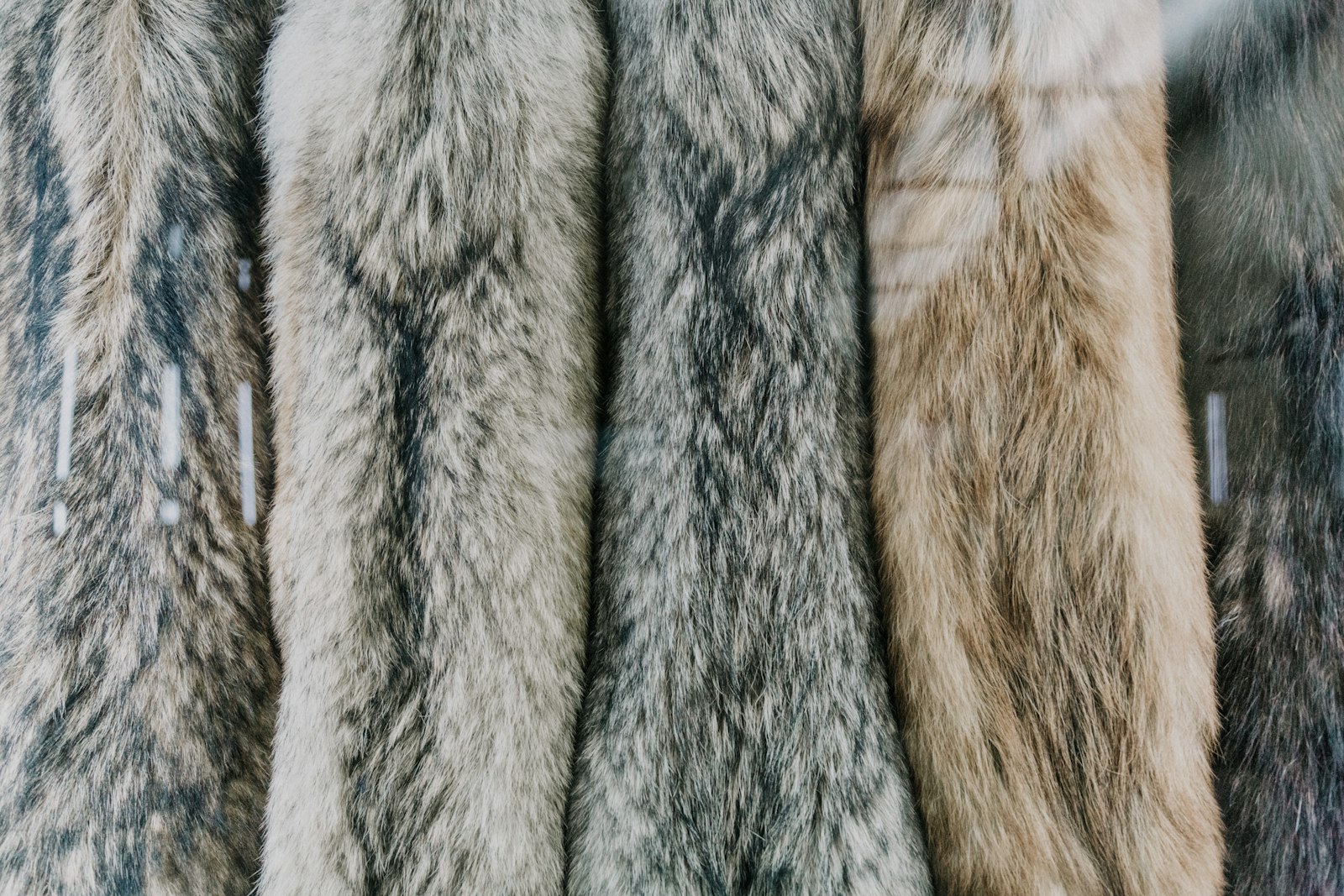
Fur and wool both trap air, but they do it differently. Wool fibers are crimped and springy, so they create thousands of tiny air pockets. Fur is denser, with a soft undercoat for insulation and longer guard hairs that shed wind and light precipitation. Those structural differences drive every practical trade-off below.
- Still air is the insulator: The thicker and more stable the trapped air layer, the warmer you stay.
- Wind destroys the layer: If air can move through the hat, your body heat leaves with it.
- Moisture is the silent problem: Wet fibers conduct heat away from skin far faster than dry ones.
Fur Hats vs Wool Beanies: The Core Trade-Offs
Neither material wins everywhere. A tightly knit merino beanie is excellent for active days and light cold; a fur hat is built for deep cold, wind and long periods outdoors. The table below maps the honest differences so you can match the hat to your winter, not to a trend.
- Warmth in deep cold | Fur holds a thicker, more stable air layer | Wool warms well but compresses under a hood or hat band
- Wind resistance | Dense guard hairs block wind at the surface | Depends on knit density; loose knits leak air
- Moisture handling | Fur sheds light snow and resists damp | Wool absorbs moisture and insulates while damp, but dries slowly
- Fit and coverage | Structured shapes cover ears and forehead fully | Beanies rely on stretch; gaps form at the ears when they ride up
- Durability | Decades with basic care | One to three seasons with regular wear and washing
- Weight and packability | Heavier, holds its shape | Light, stuffs into a pocket
- Styling range | Formal to statement outerwear | Casual and athletic
Why Fur Wins in Serious Cold
Fur has been the cold-weather standard in northern climates for centuries for a reason: it is a two-layer system in one material. The dense undercoat traps body heat, while the longer guard hairs create a wind-shedding outer surface. That combination is hard to replicate in a single knit.
At Furixe, hats are hand-sewn and cut from quality pelts, which matters more than it sounds. A well-constructed fur hat keeps its shape over the ears instead of stretching out, so the warm air layer stays where you need it. You can explore handcrafted headwear in our dedicated fur hats collection to compare silhouettes and coverage.
- Wind protection: Guard hairs break up airflow before it reaches the insulating undercoat.
- Coverage that stays put: A structured crown does not ride up, so ears and forehead stay covered.
- Snow shedding: Light snow brushes off rather than soaking in.
- Longevity: With proper storage and occasional care, a quality fur hat can last decades.
Where Wool Beanies Still Make Sense
Wool beanies are not a compromise — they are the right tool for specific jobs. If you are hiking, running errands in mild cold, or need something that disappears into a coat pocket, a wool beanie is hard to beat.
Merino wool in particular insulates even when damp, which is why it dominates activewear. The catch is that wet wool dries slowly and loses warmth once saturated. For a dry, short commute, that rarely matters. For a wet, windy day, it does.
- Active use: Breathable and light for movement-heavy days.
- Layering: Fits easily under a hood or helmet.
- Portability: Stuffs into a pocket or bag without damage.
- Budget: Lower upfront cost, though likely to be replaced sooner.
Fit, Coverage and the Gaps That Cost You Warmth
A hat only insulates the skin it covers. The most common warmth failure is a gap at the ears or a band that rides up when you turn your head. Beanies stretch and shift; structured fur hats hold their shape, which keeps coverage consistent over a long walk.
Fit also affects comfort indoors. A hat that is too tight causes pressure headaches; one that is too loose lets cold air circulate. When trying a fur hat, check that the band sits just above the eyebrows and that your ears are fully covered without pinching.
- Ears first: If your ears are exposed, no fiber will keep you warm.
- Snug, not tight: You should be able to fit a fingertip under the band.
- Shape retention: Structured crowns maintain coverage through movement.
- Hair volume: If you wear your hair up, size up slightly for comfort.
Care, Longevity and Real Cost Per Winter
Price tags are misleading without lifespan. A wool beanie that costs a fraction of a fur hat but is replaced every year or two adds up, and it never performs as well in deep cold. A fur hat is a larger upfront purchase that spreads across many winters.
Fur care is simple but specific: store it away from direct heat and light, brush the nap occasionally, and keep it dry. For detailed steps on protecting your investment, read our complete fur care guide. Wool, by contrast, needs washing, reshaping and careful drying to avoid shrinking.
- Fur: Store in a breathable bag, away from radiators; brush lightly to lift the nap.
- Fur: Air dry only — never use a hair dryer or direct heat.
- Wool: Hand wash cold and dry flat to prevent shrinkage.
- Wool: Pilling and stretching are normal after repeated wear.
How to Choose Based on Your Winter
The right choice depends on your climate and how you spend your time outdoors. Match the hat to the conditions you actually face, not the ones you imagine.
If you face sustained wind, sub-freezing temperatures, or long periods outside, a fur hat will keep you warmer and last longer. If your winters are mild and you are mostly moving between heated spaces, a wool beanie is a sensible, lightweight option. Many people own both — a fur hat for real cold and a beanie for active days.
- Deep cold and wind: Choose fur for maximum coverage and wind resistance.
- Mild cold and commuting: A wool beanie is light and sufficient.
- Mixed conditions: Own one of each and match the hat to the day.
- Long-term value: Fur costs more upfront but lasts far longer.
Frequently Asked Questions (FAQ)
- Is a fur hat warmer than a wool beanie?
- In deep cold and wind, yes. Fur holds a thicker, more stable layer of trapped air and sheds wind at the surface, while wool beanies warm well but compress and can leak air through loose knits.
- Are wool beanies warm enough for winter?
- For mild to moderate cold and active use, yes. Merino wool insulates even when damp, but it dries slowly and loses warmth once saturated, so it is less reliable in wet, windy conditions.
- Do fur hats work in wet weather?
- Fur sheds light snow and brief damp well, but prolonged rain is not ideal. If a fur hat gets wet, let it air dry naturally away from direct heat and avoid wringing or brushing it while damp.
- How should a winter hat fit for maximum warmth?
- The band should sit just above your eyebrows with your ears fully covered and no pinching. You should be able to slide a fingertip under the band. Structured hats hold this fit better over time than stretchy knits.
- How long does a quality fur hat last?
- With proper storage and occasional brushing, a well-made fur hat can last decades, which often makes its cost per winter lower than replacing a wool beanie every season or two.
Conclusion
Fur hats and wool beanies both have a place in a winter wardrobe, but they are not interchangeable. Wool is light, breathable and ideal for active days in mild cold. Fur is denser, wind-resistant and built for the conditions that actually make winter miserable — deep cold, wind and long stretches outdoors. If your goal is the warmest winter hat for women in real winter weather, fur wins on insulation, coverage and longevity, while wool remains the practical choice for lighter, movement-heavy days.
Explore Hand-Sewn Fur Hats
Furixe has been hand-sewing fur hats and coats since 1968, cut from pelts sourced around the world. You can learn more about Furixe to explore our heritage and craftsmanship. If you need help choosing the right fit or style for your local winter, feel free to reach out via our contact page to connect with our team.