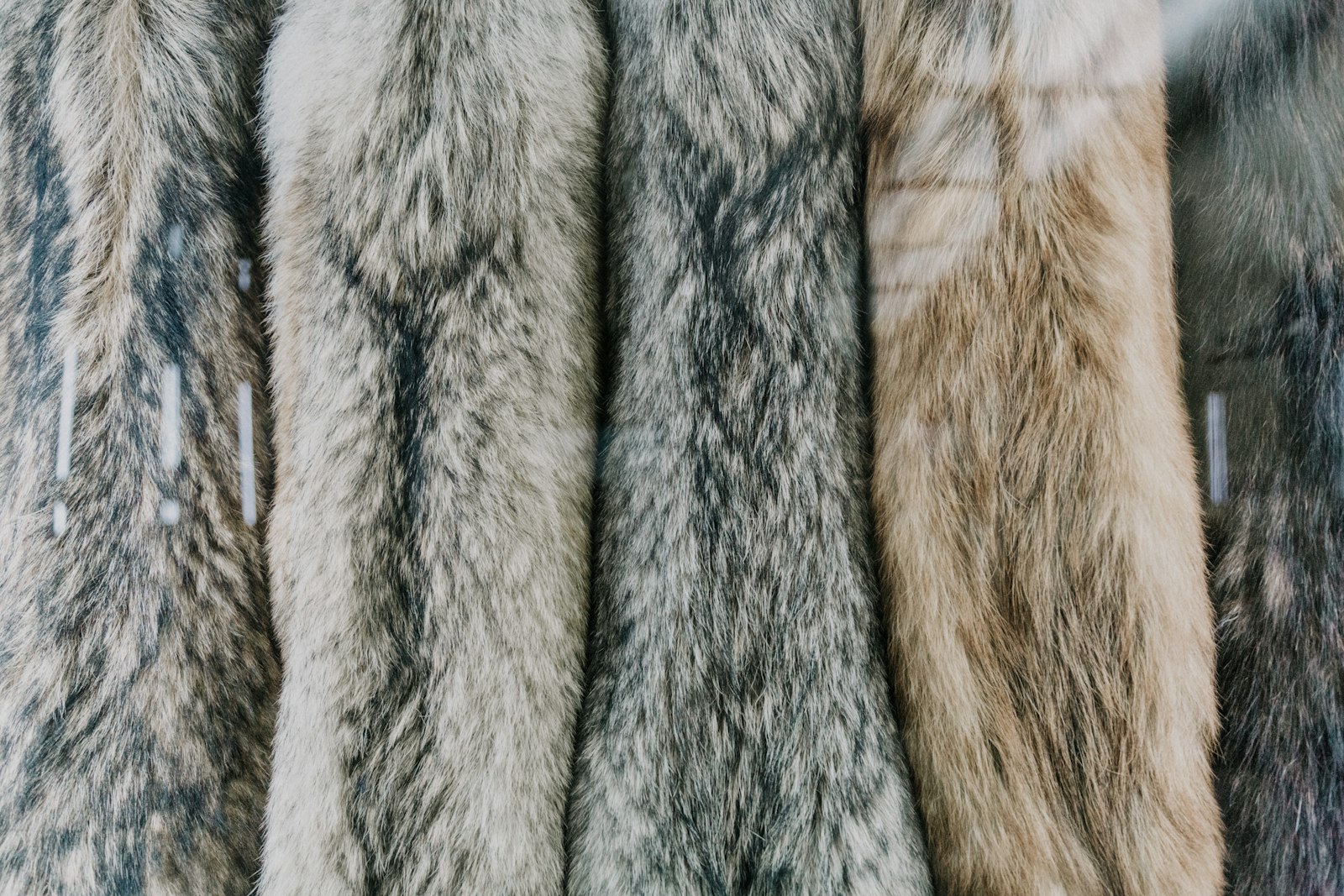
A fur coat is one of the few purchases you will still be wearing in twenty years, which is exactly why choosing the wrong type is so expensive. Mink, fox, and sable do not just look different — they hold heat differently, weigh differently on the shoulders, and age at different rates under real winter conditions. Buyers who skip this step often end up with a coat that is too heavy for city winters or too light for a real cold snap. The same logic applies to hats, where the fur type decides whether the piece frames the face or overwhelms it. This guide breaks down the three main types of fur coats and hats, compares them side by side on warmth, weight, and durability, and explains how to match a fur to your climate and how you actually live.
The Three Furs You Will See Most Often
Almost every fur hat and coat on the market traces back to one of three animals: mink, fox, or sable. Each has a distinct fiber structure, and that structure is what determines everything you care about as a wearer — warmth, weight, drape, and how the piece holds up over years of use.
Understanding the fiber first makes the rest of the decision simple. Once you know that mink is dense and short, fox is long and airy, and sable is dense and long at once, the trade-offs stop being mysterious.
- Mink: Short, dense guard hairs over a thick underfur. Smooth, low-profile, and the most versatile of the three.
- Fox: Long, fluffy guard hairs with a lighter underfur. Dramatic volume and a soft, airy hand.
- Sable: Long, fine hairs packed densely. Rare, exceptionally warm for its weight, and the most expensive of the group.
Mink: The Everyday Standard
Mink is the benchmark for a reason. Its short, tightly packed fibers create a smooth surface that resists matting, sheds light snow, and reads as tailored rather than theatrical. A mink coat works over a suit, over a dress, and over jeans, which is why it remains the most flexible choice for someone who wants one serious coat rather than a rotation.
The density of mink is also what makes it warm without bulk. Because the fibers sit close to the skin, the coat traps a layer of still air against your body, and that trapped air does most of the insulating work.
Mink hats follow the same logic. A mink hat sits close to the head with a clean silhouette, so it suits a structured coat and a formal outfit equally well.
- Warmth: High for its weight, thanks to dense, short fibers that trap air close to the body.
- Weight: Moderate. A full-length mink is substantial but distributes evenly across the shoulders.
- Durability: Excellent. With proper storage, mink holds its shape and sheen for decades.
- Best for: Daily wear, city winters, and buyers who want one coat that works everywhere.
Fox: Volume, Drama, and Airy Warmth
Fox is the fur people picture when they imagine a statement collar or a hat with real presence. The long guard hairs stand away from the skin, which creates that unmistakable halo of volume. That same airiness means fox feels lighter and softer than its size suggests.
The trade-off is surface area. Long fibers catch wind, brush against scarves and seatbelts, and show wear at the points of contact. Fox rewards careful handling and is best treated as a piece you wear deliberately rather than a coat you throw on for a commute.
Where fox excels is in hats and trims. A fox-trimmed hood or a fox hat adds warmth around the face and neck — the areas where heat loss actually matters — without the weight of a full fur coat.
- Warmth: Good, but the long fibers insulate differently than dense short ones; fox feels warm without feeling heavy.
- Weight: Light for its visual volume, though a full-length fox coat carries more bulk than mink.
- Durability: Moderate. Long hairs are more prone to matting and friction wear at cuffs, collars, and closures.
- Best for: Statement pieces, hats, trims, and buyers who want maximum visual impact.
Sable: The Rarest and Warmest of the Three
Sable combines the best traits of the other two: fibers as long and fine as fox, packed as densely as mink. The result is a fur that is exceptionally warm for its weight and drapes with a softness neither mink nor fox matches.
Sable is also the scarcest of the three, which is why it sits at the top of the price range and why a sable piece is usually a considered, long-term purchase rather than an impulse buy. Supply is limited, and the finest pelts are selected carefully before a coat is ever cut.
If you are choosing between furs for a single heirloom-quality coat, sable is the one that improves with age in the way people describe — provided it is stored and cleaned properly.
- Warmth: The highest of the three for its weight, due to long fibers combined with high density.
- Weight: Surprisingly light relative to how warm it is.
- Durability: Excellent, with the caveat that fine long hairs still need careful handling.
- Best for: Heirloom coats, extreme cold, and buyers prioritizing warmth and rarity over price.
Mink vs Fox vs Sable: Side-by-Side Comparison
The table below summarizes the practical differences. Use it as a starting filter, then weigh the trade-offs against your own climate and wardrobe.
One note before you read it: no single fur wins every category. Mink wins on versatility, fox wins on presence, and sable wins on warmth-to-weight. The right answer depends on which of those you value most.
- Mink | Short, dense, smooth | High warmth, moderate weight, excellent durability | Daily wear, city winters, one-coat buyers
- Fox | Long, fluffy, airy | Good warmth, light for its volume, moderate durability | Statement coats, hats, trims, dramatic silhouettes
- Sable | Long, fine, densely packed | Highest warmth-to-weight, excellent durability | Heirloom coats, extreme cold, rarity-focused buyers
How to Match Fur Type to Your Climate and Lifestyle
The fiber comparison only gets you halfway. The other half is an honest look at where you live and how you move through your day. A coat that is perfect for a Chicago January is overkill for a mild coastal winter, and a hat that suits a formal event may be the wrong shape for a daily dog walk.
Work through the following questions before you commit to a fur type. They will narrow the field faster than any style photo.
- How cold does your winter actually get? If temperatures routinely drop below freezing with wind, prioritize density — mink or sable. For milder winters, fox and lighter mink constructions are comfortable without overheating.
- How much time do you spend outdoors versus in transit? Short walks between heated spaces call for a lighter coat. Long outdoor stretches call for maximum insulation.
- Do you need one coat or several? A single-coat wardrobe points to mink. A rotation lets you own fox for drama and mink for daily wear.
- Will you wear it with structured clothing? Mink sits cleanly over tailoring. Fox adds bulk at the shoulders and collar, which changes how a jacket underneath reads.
- How will you store it? All three furs need cool, dark, ventilated storage off-season. Sable and fox benefit most from professional cleaning before storage.
Fur Hats: The Same Fibers, Different Rules
Hats are where fur type matters most, because the piece sits against your face and hair rather than over a layer of clothing. A mink hat reads as polished and close-fitting. A fox hat reads as soft and voluminous. A sable hat is the quiet luxury option — warm, light, and understated.
Because hats take more abrasion than coats — they rub against collars, hoods, and hat racks — the durability differences between fibers show up faster. Fox hats in particular benefit from being stored on a form rather than folded flat.
If you are new to fur, a hat is a sensible entry point. It lets you live with a fiber for a season and learn how it behaves before committing to a full coat in the same material.
- Mink hats: Close-fitting, structured, and easy to pair with both tailored and casual outerwear.
- Fox hats: Soft, high-volume, and best suited to cold, dry conditions where the long fibers stay fluffy.
- Sable hats: Warm and lightweight, with a fine texture that suits formal and everyday wear alike.
Frequently Asked Questions (FAQ)
- Is mink warmer than fox? — For most wearers, yes. Mink's dense, short fibers trap air close to the body, so a mink coat insulates more efficiently than a fox coat of similar size. Fox feels warm but insulates differently because its long fibers stand away from the skin.
- Which fur is the most durable? — Mink and sable are the most durable of the three, largely because their density resists matting and their fibers are less exposed to friction. Fox is more prone to wear at cuffs, collars, and closures because its long hairs catch on surfaces.
- How do I choose between a fur coat and a fur hat? — Start with a hat if you are new to fur or want to test a fiber before a larger purchase. Choose a coat when you need full-body warmth and a piece that anchors your winter wardrobe.
- Does fur type affect how a coat fits? — Yes. Fox adds visual and physical bulk at the shoulders and collar, while mink sits closer to the body. If you plan to wear structured clothing underneath, mink usually layers more cleanly.
- How should I store a fur coat or hat off-season? — Store fur in a cool, dark, well-ventilated space, never in plastic. Have the piece professionally cleaned before storage, and use a shaped form for hats so they keep their silhouette.
Conclusion
Mink, fox, and sable are not interchangeable — they are three different answers to the same question about warmth, weight, and presence. Mink gives you versatility and durability, fox gives you volume and drama, and sable gives you the best warmth-to-weight ratio of the group. Match the fiber to your climate and how you actually wear outerwear, and the coat or hat you choose will earn its place for decades.
Explore Hand-Sewn Fur Coats and Hats
Furixe has been cutting and hand-sewing fur hats and coats since 1968, working with mink, fox, and sable selected from sources around the world. If you are ready to move from research to a piece you will wear for years, explore the Furixe collection and see how each fiber is finished by hand.