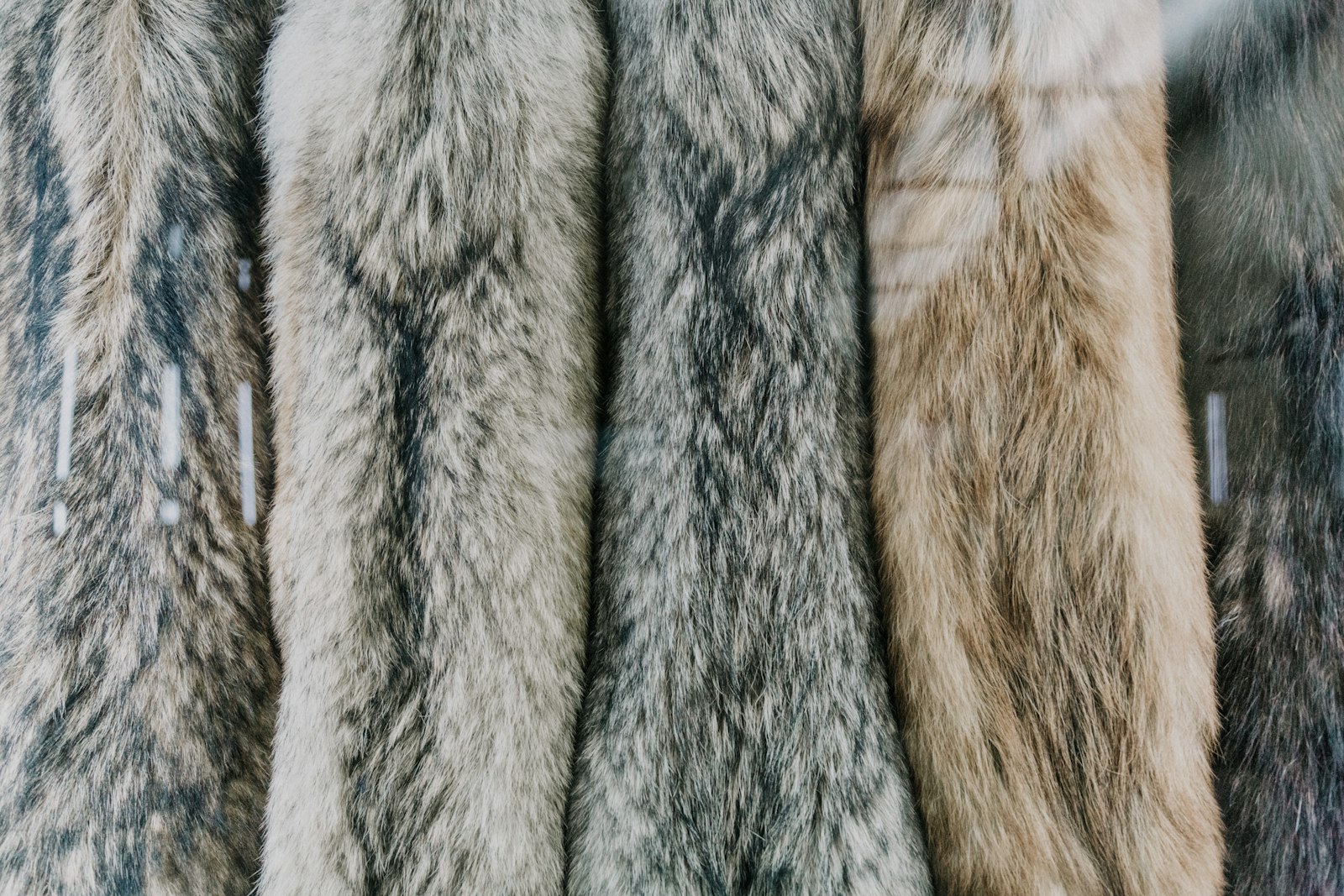
A fur coat is not sewn together so much as built. The material arrives as a set of pelts, each one slightly different in colour and length, and the work of a furrier is to make them read as a single, continuous surface. There is no pattern to hide behind: fur cannot be pressed, cannot be mended invisibly, and cannot be made to lie in a direction it does not want to go.
Letting out a pelt
The defining technique of our trade is the let-out. A pelt is cut into diagonal strips, a few millimetres wide, and each strip is shifted slightly before being sewn back together. For every four or five pelts joined this way, one pelt's worth of length is gained — without adding width, and without adding weight.
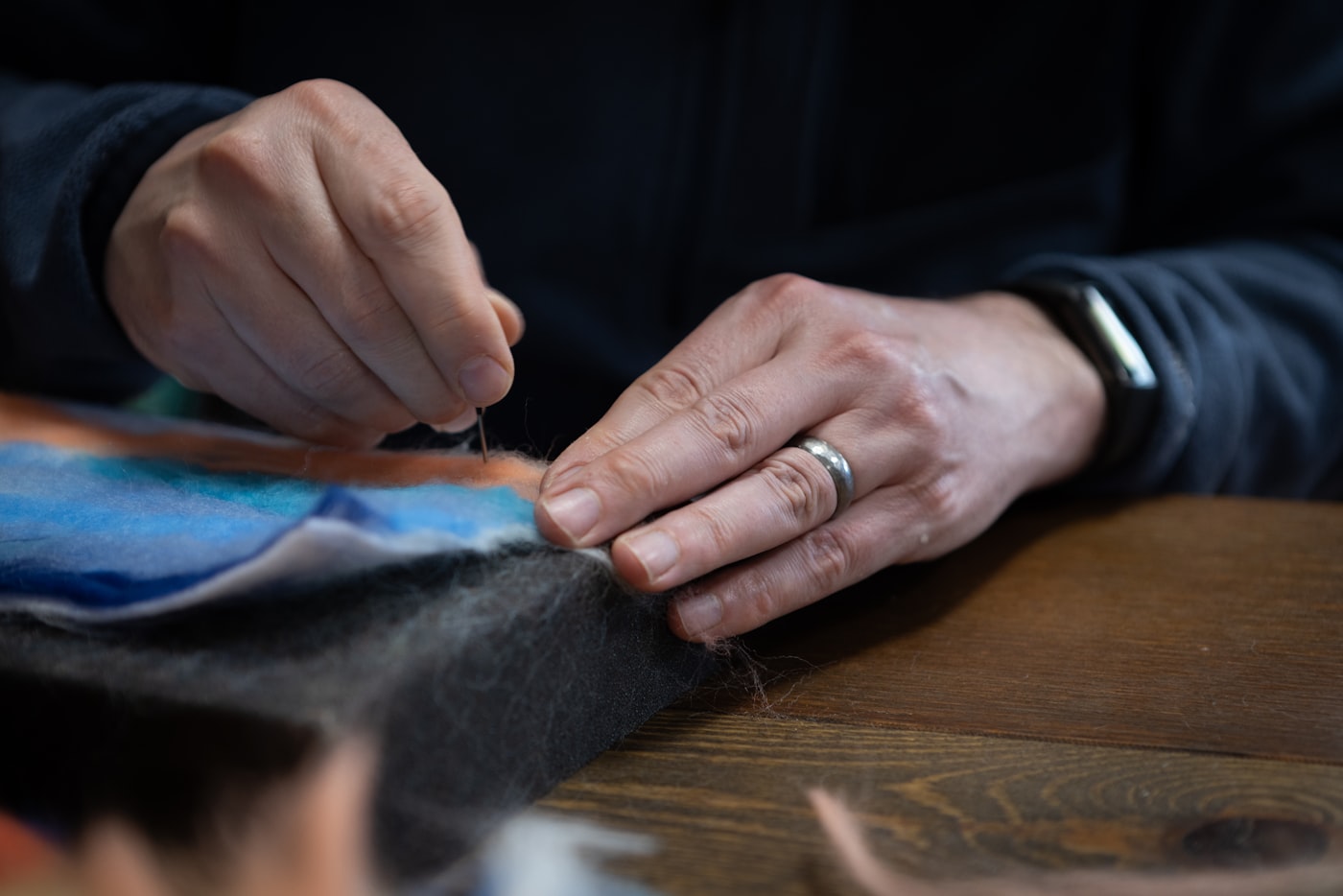
The result is a garment that falls in a single unbroken line rather than a series of panels. It is also slow work. A full-length coat can involve several hundred metres of hand-stitching, and there is no machine that does it: the strips are too narrow and too fragile to survive an industrial feed.
Why the lining matters more than you would think
Most people never see the lining of a fur coat, and it is the part of the garment most likely to decide how the coat feels on. Ours are cut from silk and attached by hand, with the allowance to move independently of the fur.
A heavy lining stiffens the drape and makes the coat feel like a costume. A lining that is too light will tear at the armholes within a season. Getting it right is a matter of matching the weight of the cloth to the weight of the pelts, which is why we change the lining between a hat and a floor-length coat.
- Strips cut to a few millimetres and hand-joined, so the surface reads as one skin
- Silk linings cut and set by hand, weighted to the pelt they sit behind
- Closures built to be adjusted rather than replaced
- Every seam pressed and rested before the next stage begins
Resting the cloth
Between stages, a piece is left to rest. Fur has memory: it moves after it is sewn, and a coat finished the same day it was cut will hang differently three weeks later. We build in rest between the closing of the body and the setting of the sleeves, and again before the collar goes on.
This is the least glamorous part of the process and the one that most clearly separates an atelier piece from a factory one. It costs weeks and it produces no visible feature. It produces a coat that still hangs the way it did the day it was fitted.