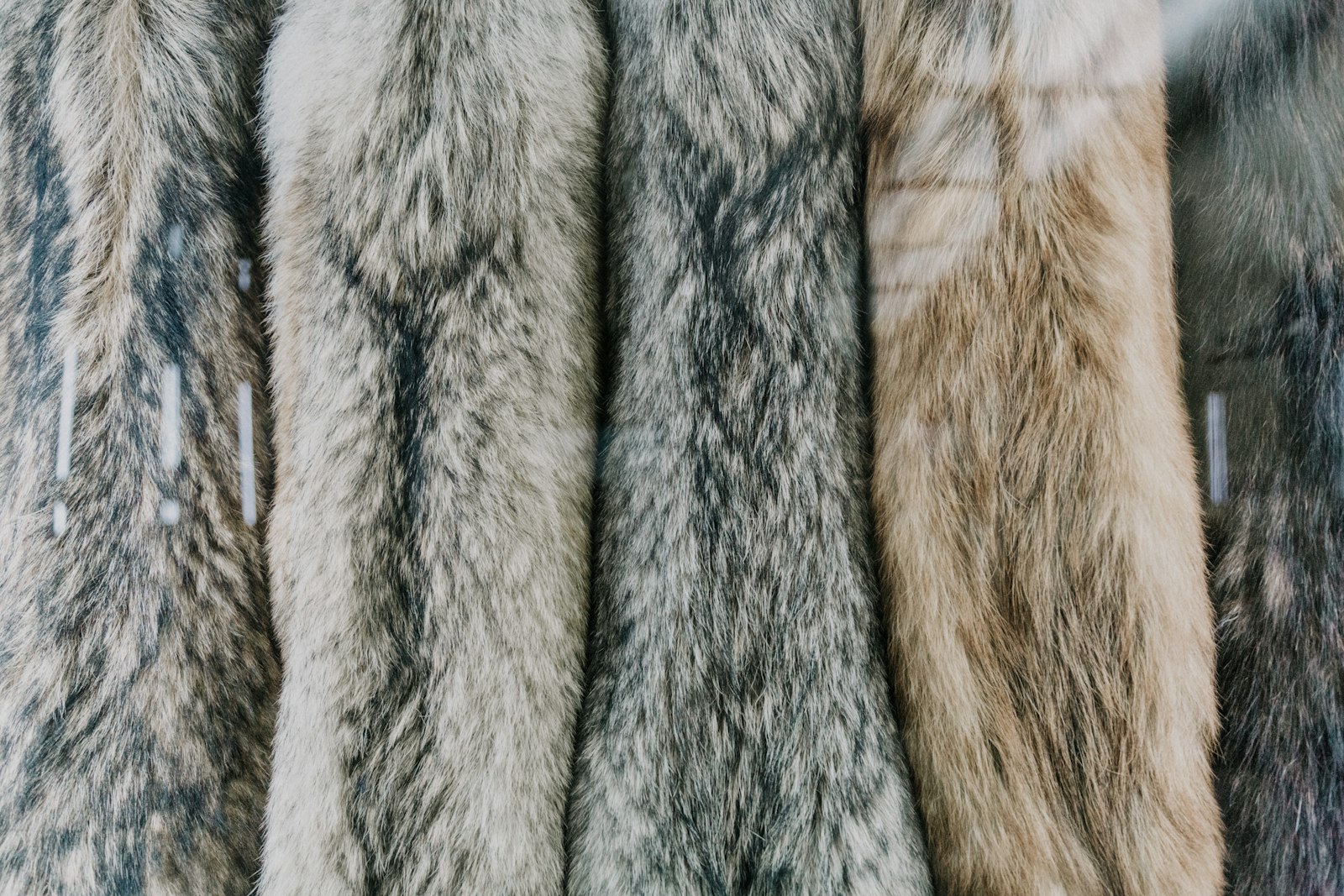
A fur coat is one of the few purchases where getting the climate wrong ruins everything else. Buy a dense, heavy coat for a mild coastal winter and you will sweat through it by November. Buy a light, airy one for a real northern January and you will spend the season reaching for something else. The three names you will see most often — mink, fox, and shearling — are not interchangeable grades of the same thing. They are different materials with different density, different weight, and different tolerance for rain, wind, and daily wear. Each one is the right answer somewhere, and the wrong answer somewhere else. This guide breaks down the types of fur coats by how they actually perform in cold, wet, and windy conditions, then walks you through matching one to your climate, your commute, and how long you want the coat to last.
Why Climate, Not Price, Should Drive the Decision
Most first-time buyers start with budget or trend. That is backwards. The variable that determines whether you actually wear a coat for the next decade is the weather it has to survive. When learning how to choose a fur coat, understanding your local environment is the essential first step. You can explore a variety of outerwear designs within the fur coats collection to see how different materials are styled.
A coat is a microclimate you carry with you. The fur traps air, the hide blocks wind, and the density of the underfur decides how much warmth that package holds. Change the climate and the same coat swings from perfect to unbearable.
So before comparing anything, answer three questions about where you live: How cold does a typical winter night actually get? How often does precipitation fall as rain rather than snow? And how much wind do you walk through on a normal day? Those three answers narrow the field faster than any price list.
- Typical low temperature: The coldest night you would realistically be outside in, not the record low.
- Precipitation type: Rain and sleet punish fur differently than dry snow does.
- Wind exposure: A windy city block feels colder than a still suburb at the same temperature.
- Time outdoors: A five-minute walk to a car asks far less of a coat than a 40-minute transit commute.
Mink: The All-Rounder for Cold, Dry Winters
Mink is the benchmark against which most other fur is judged, and for good reason. Its short, dense guard hairs sit over a thick underfur, which gives it a smooth, tailored surface and reliable warmth without the bulk you would expect from something that insulates this well. Conducting a quick fur coat warmth comparison shows that mink provides exceptional insulation relative to its volume.
That density is also what makes mink the most versatile of the three. It reads as formal or everyday depending on the cut, it holds a structured silhouette, and it resists the matting and tangling that longer fur types are prone to.
Where mink struggles is sustained wet weather. It handles a dry snowflake or a quick dash between buildings fine. A long walk in steady rain is a different story — the leather beneath the fur is the part you are protecting, and repeated soaking is what shortens a coat's life.
- Best climate: Cold, dry winters with moderate wind and snow rather than rain.
- Warmth to weight: High warmth for its weight; the most efficient of the three for its bulk.
- Durability: Excellent with routine care; a well-kept mink can serve for decades.
- Formality: Flexible — sheared and short-haired finishes skew dressy, longer cuts read everyday.
- Watch out for: Prolonged rain, and storage in damp basements or plastic bags.
Fox: Maximum Warmth and Drama, Least Water-Friendly
Fox is the volume choice. Its long guard hairs and fluffy underfur create the halo effect most people picture when they imagine a statement fur coat, and that airy structure traps a lot of warmth. In an evaluation of mink vs fox fur coat options, fox excels at dramatic visual impact.
That same length is why fox is considered the best fur coat for cold weather in still, bitter environments. The long hairs stand away from the body and hold a layer of air that short fur simply cannot. In a dry, windless deep freeze, few things beat it.
The trade-offs are real, though. Long fur catches wind, collects snow and rain, and shows wear at the cuffs, collar, and anywhere a bag strap rubs. Fox is also the least forgiving of moisture — wet long fur mats and clumps, and it needs to dry slowly and be brushed back into shape.
- Best climate: Very cold, dry, low-wind winters where maximum insulation matters.
- Warmth to weight: The warmest feel of the three, but the most airy and voluminous.
- Durability: Good with care, but long hairs show friction wear sooner than short ones.
- Formality: Statement and evening; harder to wear as a quiet everyday coat.
- Watch out for: Rain, wet snow, seatbelts, shoulder bags, and crowded doorways.
Shearling: The Wet-Weather and Wind Specialist
Shearling is not a fur in the same sense as mink or fox. It is a sheepskin with the wool left attached to the leather, worn wool-side in or wool-side out depending on the design. That construction changes everything about how it behaves. A shearling vs fur coat evaluation highlights its distinct structural advantage in wet conditions.
Because the wool grows directly out of the hide, shearling is effectively one continuous piece rather than a pelt sewn from many. It blocks wind far better than a loose-haired fur, and it tolerates damp conditions and light rain that would send you running for cover in a mink.
The cost is weight and bulk. Shearling is heavier and less packable, and it holds a chunkier, more casual line. It is the coat you wear for a wet, windy, genuinely cold city winter — the kind of climate where a beautiful mink would spend too many days at home.
- Best climate: Cold, wet, windy winters with rain, sleet, or coastal damp.
- Warmth to weight: Very warm, but the heaviest of the three to carry.
- Durability: Excellent; shearling is built to take daily wear and abrasion.
- Formality: Casual to smart-casual; it reads as rugged rather than evening.
- Watch out for: Weight on long walks, and the need to dry thoroughly away from direct heat.
Mink vs Fox vs Shearling: A Climate Comparison
Use this table as a starting filter, then refine with the fit and cut you actually want. No single column wins everything — the right row is the one that matches your winter.
- Mink Fur Coat
- Warmth: High, efficient for its weight
- Rain tolerance: Low
- Wind resistance: Moderate
- Weight: Light to moderate
- Wear and tear: Very durable, holds shape
- Style range: Tailored, formal to everyday
- Best for: Cold, dry, mixed-use winters
- Fox Fur Coat
- Warmth: Highest in still, dry cold
- Rain tolerance: Lowest
- Wind resistance: Low — long hairs catch wind
- Weight: Light but voluminous
- Wear and tear: Shows friction at cuffs and collar
- Style range: Statement and evening
- Best for: Deep dry cold and drama
- Shearling Coat
- Warmth: Very high, wind-resistant
- Rain tolerance: Best of the three
- Wind resistance: High — wool grows from the hide
- Weight: Heaviest
- Wear and tear: Highly abrasion-resistant
- Style range: Casual and rugged
- Best for: Wet, windy, cold cities
How to Match a Coat to Your Actual Winter
Once you know which material family fits, the remaining decisions are about your daily routine rather than the thermometer. A coat that suits your commute gets worn; a coat that fights it stays on the rack.
- 1. Name your coldest realistic outing. Not the record low — the coldest morning you would actually walk somewhere. That is the temperature the coat must handle.
- 2. Count your rainy days. If rain is common in your winter, shearling moves to the front and fox moves to the back.
- 3. Measure your walking time. Under 15 minutes a day, weight matters little. Over 30, shearling's heft becomes a real consideration.
- 4. Decide how dressy it needs to be. A coat worn to work, dinners, and travel needs a different cut than one worn to the dog park.
- 5. Think about storage. Fur needs cool, dry, ventilated storage. If you have no such space, factor in professional off-season storage.
- 6. Buy for the decade, not the season. A well-chosen coat in any of these three materials should outlast several rounds of trend-driven outerwear.
Care Rules That Differ by Material
The three materials do not fail the same way, so they do not need the same maintenance rhythm. Knowing what each one is vulnerable to is most of the battle.
Mink and fox are both pelts, which means the leather underneath is the part that ages. Shearling is a single skin, so the concern shifts to the wool and the seams. For more step-by-step instructions on protecting your investment, read through our detailed fur care guide.
- Mink: Brush lightly along the nap, keep away from perfume and heat, and store in a breathable cloth bag rather than plastic.
- Fox: Brush the long hairs back into place after wearing, avoid shoulder straps, and never force-dry a damp coat near a radiator.
- Shearling: Let it air-dry at room temperature if it gets wet, brush the wool once dry, and treat the leather with a conditioner made for sheepskin.
- Structural Upkeep: Have small tears and loose linings repaired promptly — a two-minute fix becomes a structural problem if ignored for a season.
- Rotation: Rotate your coat rather than wearing one every single day, so the fibers get time to recover.
Frequently Asked Questions (FAQ)
- Which fur coat is warmest?
- In still, dry cold, fox feels warmest because its long hairs trap a thick layer of air. In wet or windy cold, shearling outperforms it because the wool grows directly from the hide and blocks wind.
- Is mink warmer than shearling?
- Mink is warmer for its weight and far lighter to wear, but shearling resists wind and damp better. For a dry winter, mink is the more comfortable choice; for a wet one, shearling is.
- Can I wear a fur coat in the rain?
- Shearling handles light rain best. Mink tolerates brief exposure, and fox tolerates the least. In any case, shake off moisture and let the coat dry at room temperature, never over a heat source.
- How long should a fur coat last?
- With proper care and off-season storage, a well-made mink or shearling coat can serve for decades. Fox is durable too, but its long hairs show friction wear at the cuffs and collar sooner.
- Do I need to store my coat professionally in summer?
- Ideally, yes. Fur needs cool, dark, dry, ventilated storage. If you cannot provide that at home, professional off-season storage protects the leather and the hairs.
Conclusion
Mink, fox, and shearling each solve a different winter. Mink gives you tailored, efficient warmth for cold, dry conditions and the widest style range. Fox delivers the most insulation and the most presence in a still, bitter freeze, at the cost of weather tolerance and upkeep. Shearling is the one to reach for when your winter is wet and windy as well as cold. Match the material to the weather you actually walk through, and the coat earns its place for years.
Find Your Climate-Matched Fur Coat
Furixe has been cutting and hand-sewing fur hats and coats since 1968, working from pelts sourced around the world. Learn more about Furixe to understand our heritage and atelier standards. If you are weighing mink against fox against shearling, our team can talk you through which one suits the winter you actually live in — and cut it to fit you perfectly. Reach out through our contact page to discuss your custom coat today.