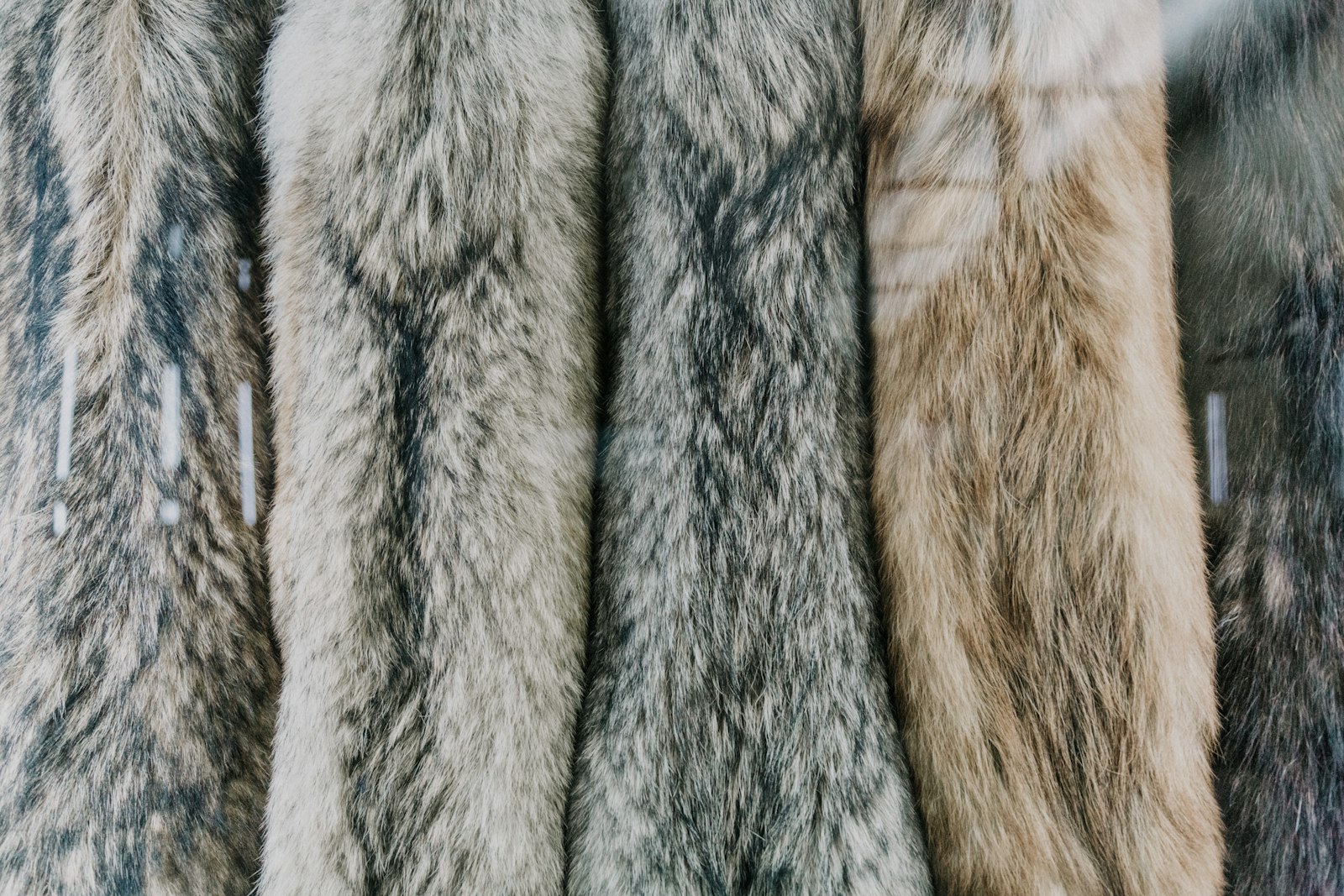
A luxury fur coat is one of the few purchases you will keep for decades, so buying it from the wrong place is an expensive mistake. A poorly matched pelt, a rushed fit, or a coat with no atelier behind it can mean thousands spent on something you stop wearing within two seasons. Searching for luxury fur coats near me usually returns a mix of pop-up sellers, generic outerwear stores, and a handful of real furriers. The difference between them is not the price tag. It is whether anyone involved actually cut, matched, and sewed the fur by hand, and whether they will still be around to service the coat in five years. This guide breaks down how to vet a furrier before you visit, what to inspect on the coat itself, how to judge fit and fur quality in person, and which questions to ask before you commit.
What "Near Me" Should Actually Mean for Luxury Fur Coats
Proximity matters less than provenance. A fur coat is a fitted, hand-sewn garment, and the person who sells it to you should be able to explain how it was made, not just where it shipped from. When you search for luxury fur coats near me, you are really looking for an atelier you can visit, touch, and return to.
That distinction changes how you shortlist. A store that resells finished outerwear can show you a coat. A furrier can match pelts to your measurements, adjust a shoulder line, and repair a seam years later. Only one of those is built for a garment meant to outlive trends.
- Atelier access: You can see how pelts are matched and sewn, not just the finished rack.
- Fitting capability: Someone on site can alter shoulder, sleeve, and hem to your body using our size guide.
- Aftercare: Cleaning, glazing, and storage are offered locally or handled through a comprehensive care guide.
- Longevity: The business has a history you can verify, not a seasonal pop-up.
How to Vet a Furrier Before You Visit
A short pre-visit check saves you a wasted afternoon. Most of what separates a serious furrier from a reseller is visible before you walk in, if you know what to look for.
Start with how the business describes its own work. Language like 'hand-sewn' and 'cut from the pelt' signals an atelier. Vague phrases like 'premium fur styles' usually signal a retailer buying finished goods. Neither is automatically bad, but only one can make a coat to your measurements.
- Check the founding story: A furrier with decades of history has survived because the work holds up.
- Look for process language: Hand-sewing, pelt matching and cutting are atelier terms.
- Confirm appointment policy: Serious furriers often work by appointment so they can focus on one client at a time.
- Ask about services: Cleaning, glazing, restyling and storage indicate a long-term relationship, not a one-off sale.
- Read the return and alteration terms: Understand what happens if the fit needs adjusting after purchase.
How to Judge Fur Quality in Person
Photos flatten fur. In person, your hands and eyes pick up what a screen cannot: density, softness, and whether the pelts have been matched with care. Give yourself time to handle more than one piece before deciding.
Run your fingers against the nap and with it. A well-matched coat feels consistent across the whole surface, with no thin patches or abrupt changes in texture. Then look at the coat in daylight if you can, since artificial lighting hides color variation between pelts.
- Density: Part the fur gently. You should not see the leather backing through a dense, quality pelt.
- Guard hair and underfur: A healthy coat has longer guard hairs over a soft, thick underlayer.
- Pelt matching: Color and texture should flow across panels without obvious seams in tone.
- Leather suppleness: The hide side should feel soft and flexible, not stiff or crackly.
- Weight and drape: A well-constructed coat moves with you rather than sitting rigidly on the shoulders.
Why Fit and Construction Decide Whether You Wear It
The most common reason a luxury fur coat stays in the closet is fit. Fur has bulk, and a coat cut for a generic size will pull at the shoulders or hang away from the body. Hand-sewing lets a furrier shape the garment to your frame instead of forcing your frame into the garment.Explore our collection of hand-sewn fur coats to see tailored drapes in action.
Construction matters just as much. Where the seams sit, how the lining is attached, and how the collar rolls all affect how the coat hangs. Ask to see the interior finishing. A furrier proud of their work will show you the inside without hesitation.
- Shoulder line: It should sit on your natural shoulder, not slide off or pinch.
- Sleeve length: Cuffs should fall where you can still use your hands comfortably.
- Collar roll: A hand-shaped collar frames the face; a flat one looks mass-produced.
- Lining: Check that it is stitched cleanly and does not pull when you move.
- Closure: Hooks and buttons should align without strain when the coat is fastened.
Coats vs. Hats: What to Look For in Each
Coats and hats are judged differently. A coat is about coverage, drape and long-term fit. A hat is about proportion, blocking and how it sits on your head. Buying both from the same atelier usually means the fur, color and finish match as a set.
When trying on luxury fur hats,pay attention to the crown height and brim shape relative to your face. A hand-blocked hat will hold its shape over years; a mass-produced one tends to soften and slump. Ask how the hat was blocked and whether it can be reblocked later.
- Coats: Prioritize pelt matching across large panels and a shoulder line that follows your body.
- Hats: Prioritize crown proportion and a brim that suits your face shape.
- Sets: Buying both together lets the furrier match color and texture across pieces.
- Aftercare: Hats need reshaping and cleaning over time; confirm the furrier offers it.
Questions to Ask Before You Buy
A confident furrier welcomes questions. If a seller dodges basic ones about construction or aftercare, treat that as a signal. Bring this list with you and note the answers.
The goal is not to interrogate anyone. It is to confirm that the person selling you a decades-long garment will still be able to service it in five or ten years.
- Where was this made, and by whom? You want a specific answer, not a general one.
- Were the pelts hand-matched and hand-sewn? This affects both look and durability.
- What alterations are included? Understand the scope before you commit.
- What aftercare do you offer? Cleaning, glazing and storage should be available.
- How should I store this between seasons? Proper storage protects the investment.
Local Furrier vs. Online-Only Seller
Both routes exist, and each has trade-offs. The table below lays out the practical differences so you can decide which fits how you buy.
For a fitted, hand-sewn garment, the in-person route removes most of the risk. For accessories or repeat purchases from a furrier you already know, online can be convenient.
- Fit certainty | Try on and adjust on site | Rely on measurements and returns
- Fur inspection | Handle density, nap and pelt matching | Judge from photos and video
- Alterations | Often included or arranged locally | Usually shipped out, slower turnaround
- Aftercare | Local cleaning, glazing and storage | You arrange service yourself
- Relationship | A furrier who knows your measurements | A transaction, not a relationship
Frequently Asked Questions (FAQ)
- How do I find a reputable furrier near me? — Look for a business with a verifiable history, atelier language like hand-sewn and pelt-matched, and clear aftercare services. Visit in person and ask about construction before buying.
- Is it better to buy a fur coat in person or online? — For a fitted coat, in person is safer because you can judge density, pelt matching and shoulder fit, and arrange alterations on site. Online works better for repeat purchases from a furrier you already know.
- What should I check on a fur coat before buying? — Part the fur to check density, run your hand against the nap for consistency, check the leather for suppleness, and inspect the lining and closures for clean finishing.
- How long should a luxury fur coat last? — A well-made, hand-sewn coat can last for decades with proper cleaning, glazing and off-season storage. Longevity depends on construction quality and how the coat is cared for.
- Do furriers offer alterations and aftercare? — Reputable furriers typically offer fitting adjustments at purchase and ongoing services such as cleaning, glazing and storage. Confirm the specifics before you buy.
Conclusion
Finding luxury fur coats near me comes down to one question: is there an atelier behind the coat? When you can visit, handle the fur, confirm the fit, and know the same hands will service the garment years later, you are buying a piece you will actually wear for decades rather than a purchase you second-guess.
Visit the Furixe Atelier
Furixe has been hand-sewing fur hats and coats since 1968, cutting each piece from the pelt and matching it to the person wearing it. If you are ready to buy a luxury fur coat or hat built to last, contact our atelier to schedule a consultation and see the work in person before you decide.