The workshop on Bredgade has been a furrier's since long before we took it, and very little about it has changed. The benches are the same benches. The light comes from the same north-facing windows, because fur is graded under north light and no artificial source has ever matched it.
Three generations at one bench
Our head furrier learned the let-out from his mother, who learned it from hers. This is not sentiment — it is the only way the technique survives. There is no written standard for how far to shift a strip; it is judged by eye against the pelt in front of you, and it takes years before the eye is reliable.
New hands start on linings and closures. It is several years before anyone is trusted with a coat body, and the reason is not gatekeeping: a mistake in the let-out cannot be undone, and the pelt is gone.
Grading by hand
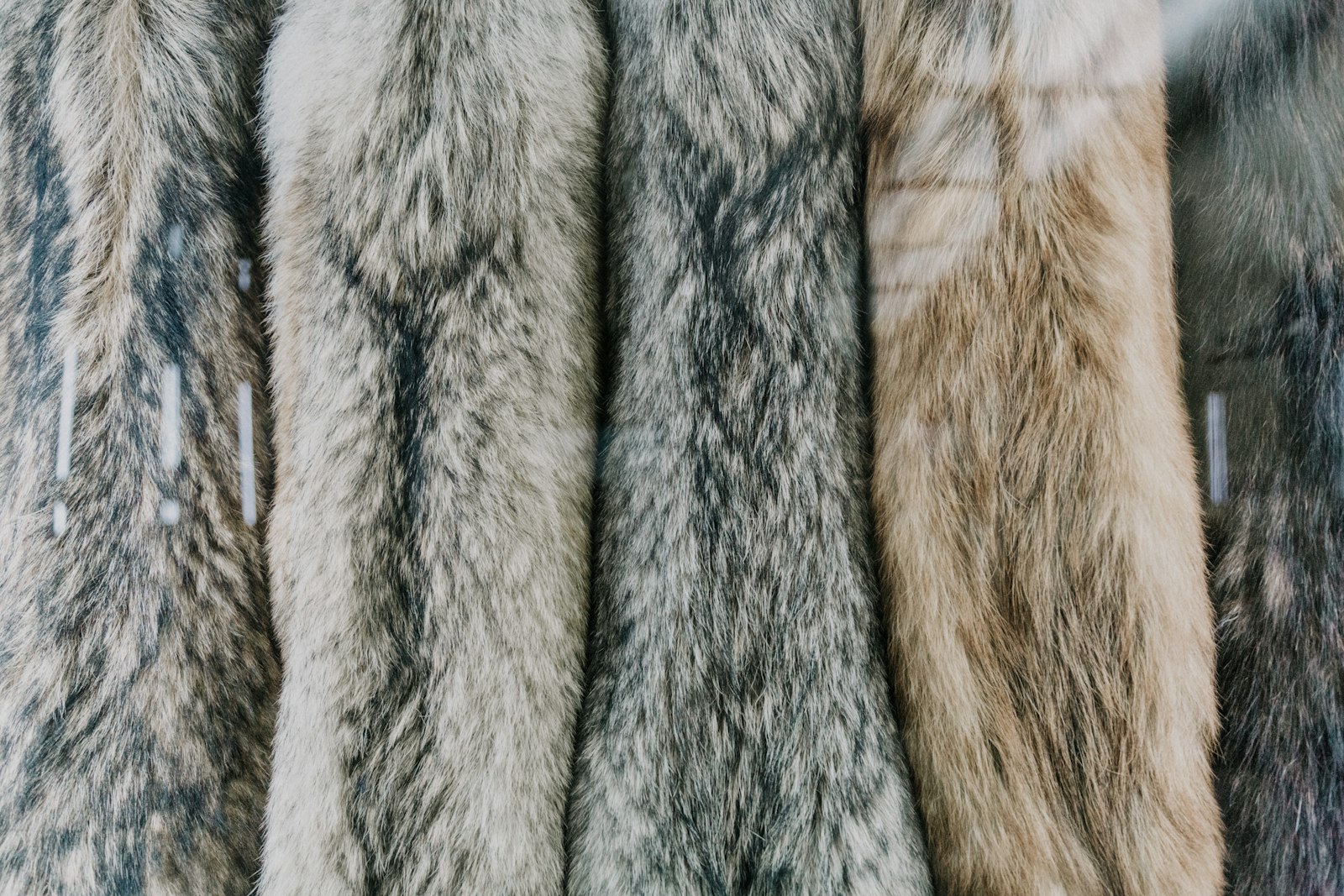
Every pelt that enters the atelier is graded by hand before it is cut. Thickness at the shoulder, length of the guard hair, the density of the underfur and the behaviour of the leather when it is folded — all of it is assessed by touch, and the pelts are then batched so that one coat is built from a single quality band.
This is why two coats in the same style and the same colour can differ in price. They are not the same garment; one of them was built from a tighter batch.
- North light only — the grading standard everything else is judged against
- Pelts batched by hand before cutting, never mixed between grades
- Linings and closures first; coat bodies only after years at the bench
- Every finished piece rested a full season before it leaves us
What has not changed
We have added nothing to the process that removes a hand from it. Machines appear at the edges — for pressing, for finishing — but the joining of pelts, the setting of sleeves and the building of a collar are still done the way they were when the atelier opened.
The honest reason is that nothing has been invented that does it better. A let-out seam is a few millimetres wide and has to move with the leather for forty years. No feed mechanism we have seen can do that.