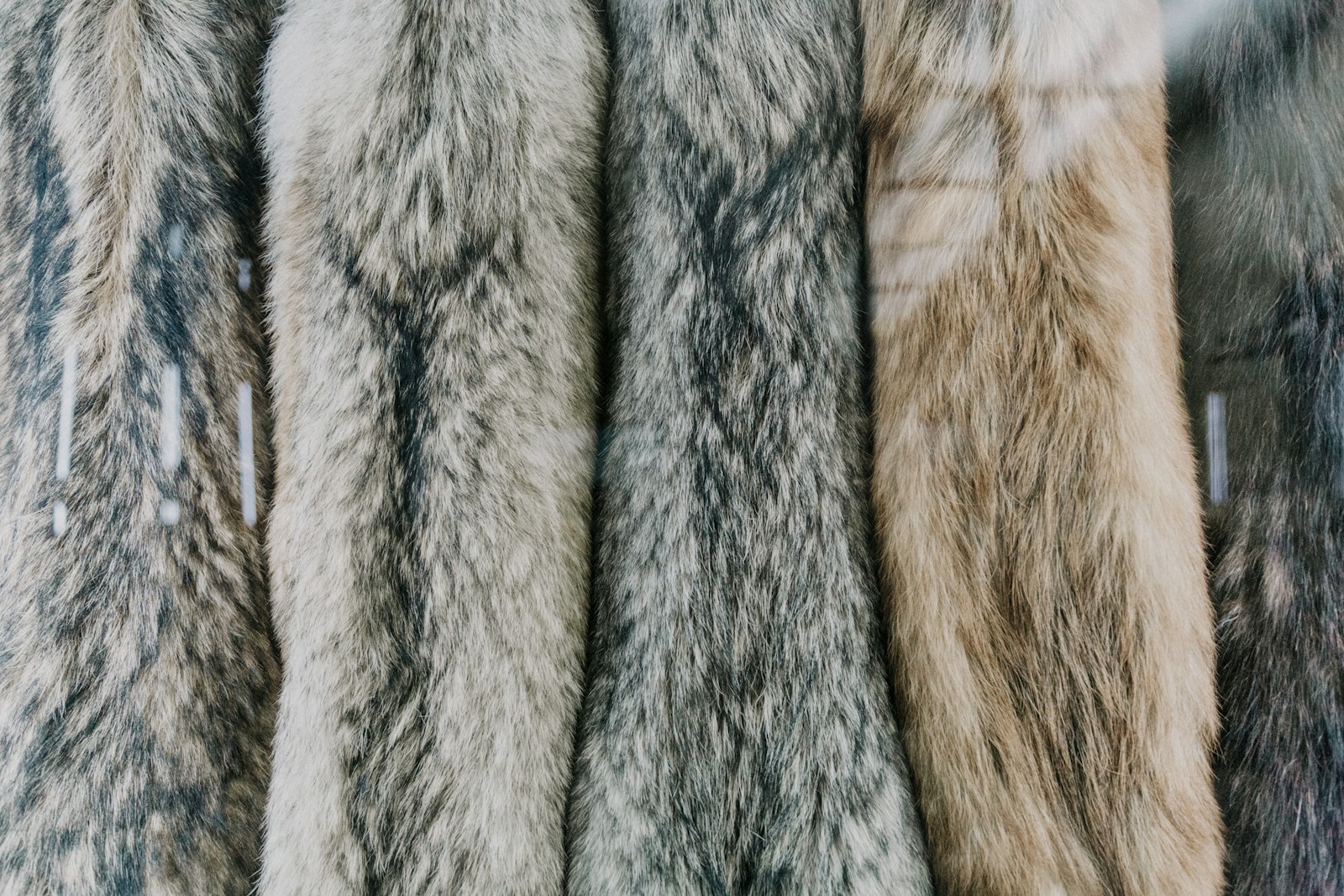
A fur coat is one of the few things you own that gets better with age and worse with a single bad decision. Fold it the wrong way in a suitcase, check it into a cargo hold, or leave it in a hot car on arrival, and the damage shows up months later as a crease, a matted patch, or a split in the leather. Replacing that is not a repair bill. It is a search for a coat that no longer exists. The good news is that traveling with fur is not fragile work. It is a short list of rules, applied in order: how you carry it, how you fly with it, how you handle climate change, and what you do in the first day after you arrive. Get those right and the coat travels as well as you do. This guide breaks down how to travel with a fur coat from door to door, including the carrier to choose, what the airlines will and will not allow, and the arrival routine that protects the pelts for the rest of the season.
Start With the Right Carrier, Not the Right Suitcase
Most fur damage in transit happens before anyone touches a plane. It happens when a coat is folded into a standard suitcase, compressed under other luggage, and left that way for hours. Fur wants to hang. When it cannot hang, it wants room, a smooth interior, and nothing pressing on the nap.
The correct carrier is a breathable garment bag with a full-length zip and a sturdy hanger hook at the top. Canvas or a heavy cotton blend is ideal. Avoid plastic garment bags from the dry cleaner: they trap moisture and can leave the fur feeling stiff. If you do not own a travel bag, a clean cotton pillowcase over the shoulders and collar is a reasonable short-term cover for a car trip.
- Breathable fabric: Canvas or cotton lets air move; plastic does not.
- Full-length zip: Lets you open the bag flat at security instead of pulling the coat out.
- Reinforced hanger loop: The bag should hang from its own hook, not from the coat's shoulders.
- No compression straps: Anything that squeezes the fur for hours will crease the leather underneath.
Packing a Fur Coat for a Car or Train Trip
For ground travel, the coat should ride hanging if there is any way to arrange it. Lay it flat across the back seat, fur side up, with nothing stacked on top. If you must fold it, fold along the seams rather than across the middle of a panel, and never fold the same way twice in a row.
Heat is the quiet enemy on a road trip. A parked car in sun can reach temperatures that dry out the leather and dull the guard hair. If the coat has to stay in the vehicle, keep it in the shade, crack the windows, and take it inside with you at the overnight stop. Never leave it in the trunk.
- Fold along seams: Follow the garment's construction, not the shape of the bag.
- Rotate folds: A different fold line each trip prevents a permanent crease.
- Keep it off the floor: Heat rises from footwells and floor vents.
- Bring it inside at night: Hotel rooms are climate-controlled; cars are not.
Flying With a Fur Coat: Cabin, Checked or Shipped
The short answer is that a fur coat should fly in the cabin with you. It is a garment that cannot be replaced, it does not respond well to the pressure and temperature swings of a cargo hold, and it is far easier to keep an eye on when it is at your feet. Most airlines treat a fur coat as a personal item or an additional garment, but policies vary by carrier, route and fare class, so confirm before you book.
If the cabin is not an option, the next best choice is a shipped, insured parcel to your destination, arranged in advance. Checked baggage is the last resort, and only in a hard-sided case with the coat in its breathable bag, laid flat, and nothing heavy on top.
- Cabin first: Carry the coat in its garment bag and ask the crew where to hang it.
- Overhead second: If there is no closet, lay the bag flat on top of soft bags, never under them.
- Shipped third: Insured, tracked, and timed to arrive after you do.
- Checked last: Hard case, breathable bag, flat, and declared if the airline requires it.
Cabin, Checked Baggage or Insured Shipping: Which to Choose
There is a real trade-off here, and it depends on the length of the trip, the airline, and how much you value certainty over convenience. Use this comparison to decide before you pack.
- Cabin garment bag Lowest risk, no extra cost, Best for short trips and any coat you cannot replace
- Checked hard case Moderate risk, standard baggage fees, Acceptable only for a hard-sided case and a direct flight
- Insured shipping Low risk, highest cost, Best for long stays, international moves and multiple pieces
- Carry-on only, no bag Low risk, no space for other items, Workable for a weekend if you travel light
Getting Through Security Without Damaging the Coat
Security is where most travel damage actually occurs, because it is the one moment you are rushed and the coat is in someone else's hands. Plan for it. Wear the coat through the terminal rather than carrying it, and put it in the bin yourself rather than handing it over.
Ask for a manual inspection if the coat will not fit cleanly through the scanner. Officers are used to this request and it takes only a minute. Never let the coat sit in a plastic bin with shoes, belts or liquids, and never fold it to make it fit.
- Wear it, do not carry it: Fewer hands, fewer folds.
- Request a hand check: A polite request avoids the scanner entirely.
- Use a clean bin: Alone, fur side up, nothing on top.
- Retrieve it first: Do not let it sit on the belt while you gather other items.
Managing Climate Change From Airport to Destination
Fur is skin, and skin reacts to sudden shifts in humidity and temperature.When Managing Climate Change for your garments, a coat that leaves a cold, dry Nordic winter and lands in a warm, humid climate needs a gradual transition, not a shock. The same is true in reverse.
The practical rule is to keep the coat in its bag, away from direct heat and direct sun, for the first few hours after landing. Do not unpack it into a hot hotel room and immediately hang it near a radiator. Let the room come to its normal temperature with the bag open, then hang the coat to breathe.
- Avoid heat sources: Radiators, hair dryers and car heaters all dry the leather.
- Avoid direct sun: UV dulls the guard hair over time.
- Let it acclimatise slowly: Open the bag, wait, then hang.
- Do not brush immediately: Give the fur a few hours to settle first.
The First 24 Hours After Arrival
The arrival routine is short, but it is what separates a coat that travels well from one that comes home tired. Within the first day, hang the coat on a broad, padded hanger in a cool, dark, ventilated space. A closet is fine; a bathroom is not, because of the steam.
Then inspect it. Run your hand with the nap, not against it, and look for flat spots, damp patches or a crease that does not lift. If the coat has been folded for more than a day, give it 48 hours on the hanger before you judge it. Most travel creases relax on their own.
- Hang on a broad hanger: Wire hangers distort the shoulders.
- Choose a cool, dark space: Not a bathroom, not a sunny window.
- Inspect with the nap: Look for damp, flattening or separation at the seams.
- Wait 48 hours before judging: Most creases relax once the coat hangs.
Frequently Asked Questions (FAQ)
- Can you take a fur coat on a plane? Yes. Most airlines allow a fur coat in the cabin as a personal item or additional garment, but policies vary by carrier and route, so confirm before you book.
- Should a fur coat ever go in checked baggage? Only as a last resort, in a hard-sided case with the coat in a breathable bag and nothing heavy on top. Cabin or insured shipping is always safer.
- How do you pack a fur coat in a suitcase? Fold along the seams, not across the middle of a panel, keep the fur side up, and rotate the fold line each trip to prevent a permanent crease.
- What should you do if a fur coat gets wet in transit? Blot it with a clean towel, never rub, and hang it in a cool, ventilated space away from heat until it dries completely.
- How long does it take for travel creases to relax? Usually 24 to 48 hours on a broad hanger in a cool, dark space. If a crease remains after that, have the coat inspected by a furrier.
Conclusion
Traveling with a fur coat comes down to four habits: carry it in a breathable garment bag, keep it in the cabin, let it acclimatise slowly, and give it a proper hang and inspection in the first day after arrival. None of these take much time, and together they protect a garment that is meant to outlast the trip by decades. The coat that arrives well is the coat that keeps its shape, its shine and its value for the next generation.
Protect a Coat Made to Be Inherited
A Furixé coat is hand-sewn in Copenhagen from winter pelts bought at audited Nordic auctions, rests a full season before it leaves the atelier, and is signed with the monogram and the year of its making. It is built to be inherited, which is why our workmanship promise covers storage, brushing and restoration for as long as you own it. If you are planning a trip, or you would like advice on a coat already in your wardrobe, speak with the atelier at Furixe before you pack.