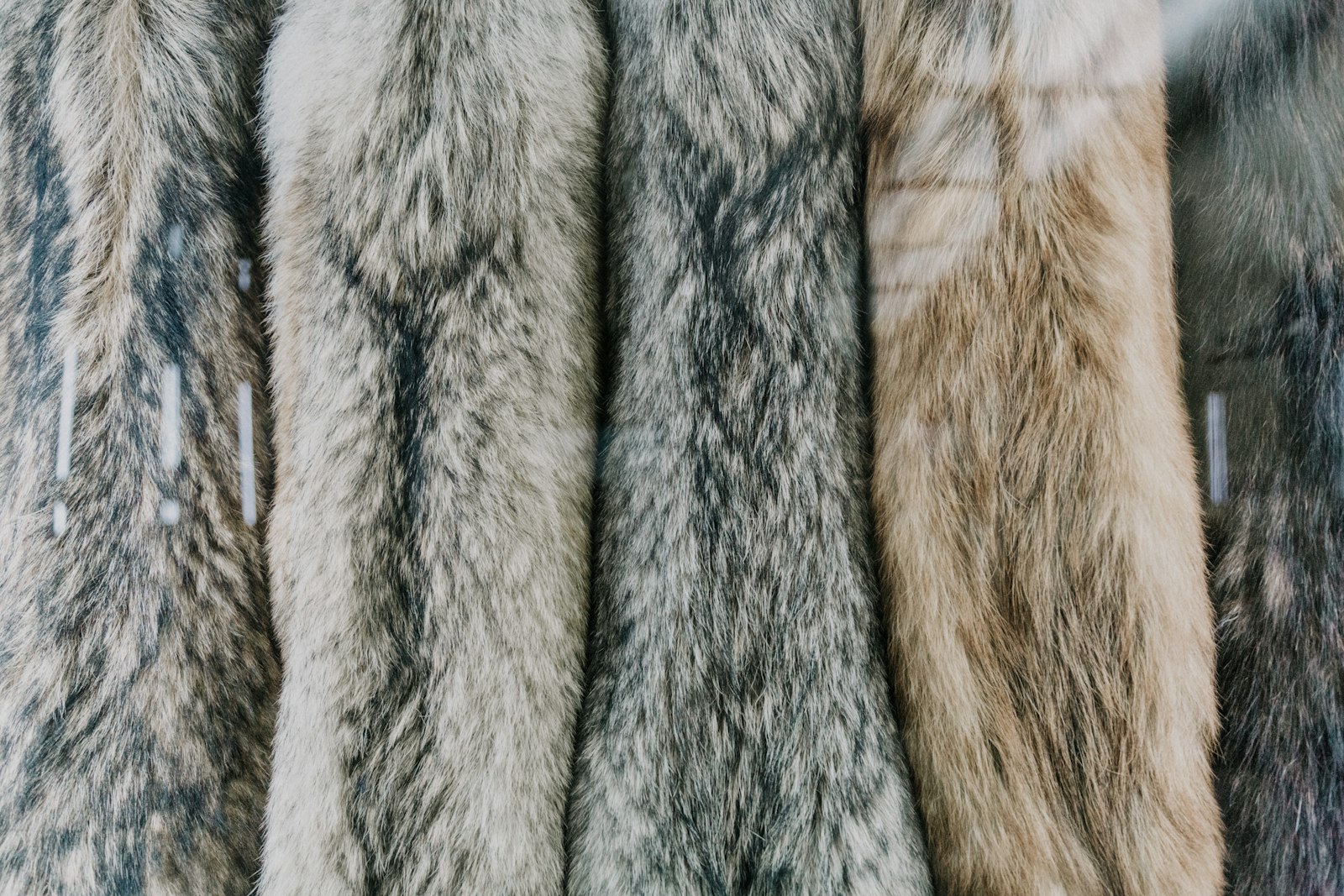
A fur coat is one of the most expensive pieces in most wardrobes, and one of the most under-worn. The usual reason is not the coat — it is hesitation. Wear it over the wrong silhouette and it swallows you. Pair it with the wrong shoe and it reads as costume rather than clothing. Getting it right comes down to a small number of decisions: what sits underneath the coat, how the lengths relate to each other, and which colors and finishes you let compete. None of that requires a stylist or a special occasion. This guide breaks down how to style a fur coat for both day and evening looks — the proportion rules, the layering that actually works in real weather, the color pairings that flatter, and the finishing details that separate a considered outfit from an accidental one.
Start With the Coat's Length, Not the Outfit
Most styling advice works backwards. It starts with a dress or a pair of jeans and asks what coat goes on top. With fur, reverse it. The coat is the visual anchor of the outfit, and everything else is arranged around its length and volume. Decide the coat first, then build down and inward from there. When browsing through our collection of luxury fur coats, pay close attention to length and silhouette.
Length sets the rules for everything beneath it. A cropped fur jacket leaves the waist visible, so the waistline of your trousers or skirt becomes part of the look. A hip-length coat covers the waist entirely, which means your proportions are being read from the hem of the coat to the floor. A full-length coat creates one long vertical line — powerful, but it demands that the shoes carry some weight.
- Cropped fur jacket: Pair with high-waisted trousers or a defined-waist dress so the waistline stays visible. Best for daytime and transitional weather.
- Hip-length fur coat: The most versatile length. Keep hemlines below or well above the coat's edge — nothing should hit at exactly the same point.
- Mid-calf or full-length fur coat: Treat the coat as the outfit. Choose footwear with presence — a structured boot, a heel with a defined shape — so the silhouette does not taper into nothing.
- Fur hat: Works at every coat length, but keep the rest of the head simple. No competing statement earrings and no oversized scarf wrapped at the neck.
What to Wear Underneath: Layering That Reads Clean
Fur is a textured, high-volume material. Anything you wear under it should be comparatively smooth, so the coat stays the focal point. This is the single most common styling mistake: a chunky knit under a chunky fur, which produces bulk on bulk and erases the body's line entirely. To help you choose the ideal fit, consult our comprehensive size guide.
For daytime, thin merino, fine cashmere, silk blends, and crisp cotton shirting all sit flat under a fur coat and let it drape properly. For evening, satin, crepe, and fine jersey work well because they slide rather than grip — which matters when you are putting the coat on and taking it off repeatedly.
Fit is the second half of this. A fur coat should close comfortably over what you plan to wear under it, without strain across the back or shoulders. If you are between sizes, size for the layers you will realistically wear, not the thinnest thing in your closet. A coat that only fits over a t-shirt will sit unworn from November through March.
- Choose flat textures: Fine-gauge knits, silk, crepe, and smooth wool keep the coat's silhouette intact.
- Avoid bulk on bulk: Chunky cable knits, padded shoulders, and heavy fleece fight the fur and add visual weight.
- Test the close: Fasten the coat over your actual outfit before committing. If it pulls, the layer is too thick or the size is wrong.
- Mind the neckline: A clean crew, a fine turtleneck, or an open collar all work. A ruffled or heavily gathered neckline competes with the fur at the collar.
Daytime Fur: How to Make It Look Intentional, Not Costume
The fastest way to make a fur coat look like everyday clothing is to pair it with something plainly practical. Denim, flat boots, a simple tote. The contrast does the work — the coat reads as luxury because everything around it reads as normal life.
Keep the palette restrained. Two or three colors total is plenty when one of them is a textured fur. If the coat is a natural brown or grey, build the outfit in cream, camel, charcoal, or black. If the coat is a bold color, let everything else be neutral and let the coat carry the entire look.
Daytime is also where a fur hat earns its place. Combining your outerwear with hand-sewn fur hats for women adds warmth without adding the bulk of a scarf, keeping the neckline clean — which matters when the coat already has a substantial collar.
- Denim and a cropped fur: Straight-leg or slightly wide denim, a fine knit, and a structured boot. Reliable from October through March.
- Tailored trousers and a hip-length coat: The most polished daytime combination. Keep the trouser hem long enough to break slightly over the shoe.
- Neutral palette discipline: Limit yourself to three colors. Cream, camel, charcoal, and black all sit well against natural fur tones.
- Skip the scarf: If the coat has a full collar, a scarf usually crowds it. A fur hat covers the same warmth need more elegantly.
Evening Fur: Elevating the Look Without Overloading It
Evening styling is not about adding more. It is about removing the daytime cues — the denim, the flat boots, the casual tote — and letting the coat sit against something quieter and more deliberate.
A long dress in a fluid fabric under a fur coat is close to a complete evening formula. So is a fine silk top with tailored trousers. The coat does the dramatic work, so the clothing underneath should be simple in shape and rich in material. Satin, crepe, and heavy silk all photograph and drape well beneath fur.
Footwear matters more at night than during the day, because a full-length coat draws the eye down. A heel with a defined shape — a block heel, a sculpted pump — gives the silhouette somewhere to land. Very thin stilettos under a heavy coat can look unbalanced; very casual shoes undo the whole outfit.
- Long dress plus long coat: The strongest evening combination. Keep the dress fabric fluid and the color close to the coat's tone.
- Silk top and tailored trousers: A clean alternative when a dress is not the right call. Add a single piece of jewelry, not three.
- Structured footwear: Block heels, sculpted pumps, or a refined ankle boot. Avoid anything that disappears under the hem.
- One statement, not several: If the coat is the statement, keep jewelry minimal. If you want dramatic earrings, keep the coat's color quiet.
Day-to-Night Transitions With One Coat
If you are buying one fur coat and want it to work across your whole week, the hip-length or mid-calf silhouette in a neutral tone will do more than any other single choice. It layers over daytime clothing and holds its own against evening pieces without looking like it wandered in from a different outfit.
The transition itself takes about five minutes and three swaps: shoes, bag, and one layer underneath. Change from a flat boot to a heel, from a tote to a small structured bag, and from a fine knit to a silk top. The coat never changes. Everything it sits against does.
- Swap one: shoes. Flat boot to block heel. This single change shifts the outfit more than anything else.
- Swap two: bag. A large daytime tote reads casual; a small structured bag reads evening.
- Swap three: the layer underneath. Fine knit out, silk or crepe in. Same coat, different register.
- Keep constant: The coat, the hat if you are wearing one, and the color palette. Consistency is what makes the transition look deliberate.
Color Pairing and Finishing Details That Matter
Natural fur tones — browns, greys, creams, and muted taupes — are the easiest to build around because they behave like neutrals. They pair with black, navy, ivory, camel, and olive without conflict. If your coat is in one of these tones, you have more freedom than you probably think.
Dyed or boldly colored fur coats ask for restraint everywhere else. Build the outfit in one neutral — all black, all cream, all charcoal — and let the coat be the only saturated element in the frame. Two strong colors competing under a fur coat rarely resolves well.
The finishing details are small but they decide whether an outfit looks finished: the condition of the coat itself, the cleanliness of the shoes, and the absence of clutter at the neck and wrists. Regular maintenance following our detailed care guide ensures your coat stays in pristine condition. Should your coat ever require professional resizing or adjustments, review our returns and service policies.
- Neutral fur, any palette: Brown, grey, cream, and taupe coats work with nearly everything. Use them as your base layer of color.
- Bold fur, one neutral: Pair a colored coat with an all-black, all-ivory, or all-charcoal outfit. Nothing else competes.
- Metals: Warm gold tones flatter brown and camel fur; cooler silver and platinum flatter grey and charcoal. This is a guideline, not a rule.
- Coat care: Brush the fur after wearing and store it away from direct light and heat. A coat in good condition styles itself.
- Keep the neck and wrists clean: One focal point is enough. Cluttered accessories at the collar fight the fur's texture.
Frequently Asked Questions (FAQ)
- Can you wear a fur coat during the day?
- Yes. Daytime styling works best when the rest of the outfit is plainly practical — denim, tailored trousers, flat or low boots — so the coat reads as outerwear rather than costume.
- What should you wear under a fur coat?
- Smooth, fine-textured layers: fine-gauge knits, silk, crepe, and crisp cotton shirting. Avoid chunky knits and padded shoulders, which add bulk on top of the coat's natural volume.
- How do you style a fur coat for evening?
- Keep the clothing underneath simple in shape and rich in material. A long fluid dress or a silk top with tailored trousers, plus structured footwear, is a reliable formula.
- What colors go with a fur coat?
- Natural brown, grey, cream, and taupe coats work with most neutrals, including black, navy, ivory, camel, and olive. Boldly colored coats look best against a single neutral.
- Should you wear a scarf with a fur coat?
- Usually not if the coat has a substantial collar. A hand-sewn fur hat adds warmth without crowding the neckline, which keeps the silhouette cleaner.
Conclusion
Styling a fur coat comes down to a few consistent decisions: let the coat's length set the proportions, keep the layers underneath smooth rather than bulky, restrain the color palette to two or three tones, and let a single detail — the shoes, the hat, one piece of jewelry — carry the finish. Get those right and the same coat moves from a weekday morning to an evening event with three small swaps. Get them wrong and even an exceptional coat sits in the closet.
Build a Fur Wardrobe You Actually Wear
Furixe has been hand-sewing fur hats and coats since 1968, cutting each piece from fur sourced around the world. If you are choosing your first fur coat or adding a hat to the one you own, start with the silhouette and tone that fit how you actually dress — then style everything else around it. Visit our online shop to browse the collection, read about Furixe to learn more about our heritage, or contact our team for tailored advice.