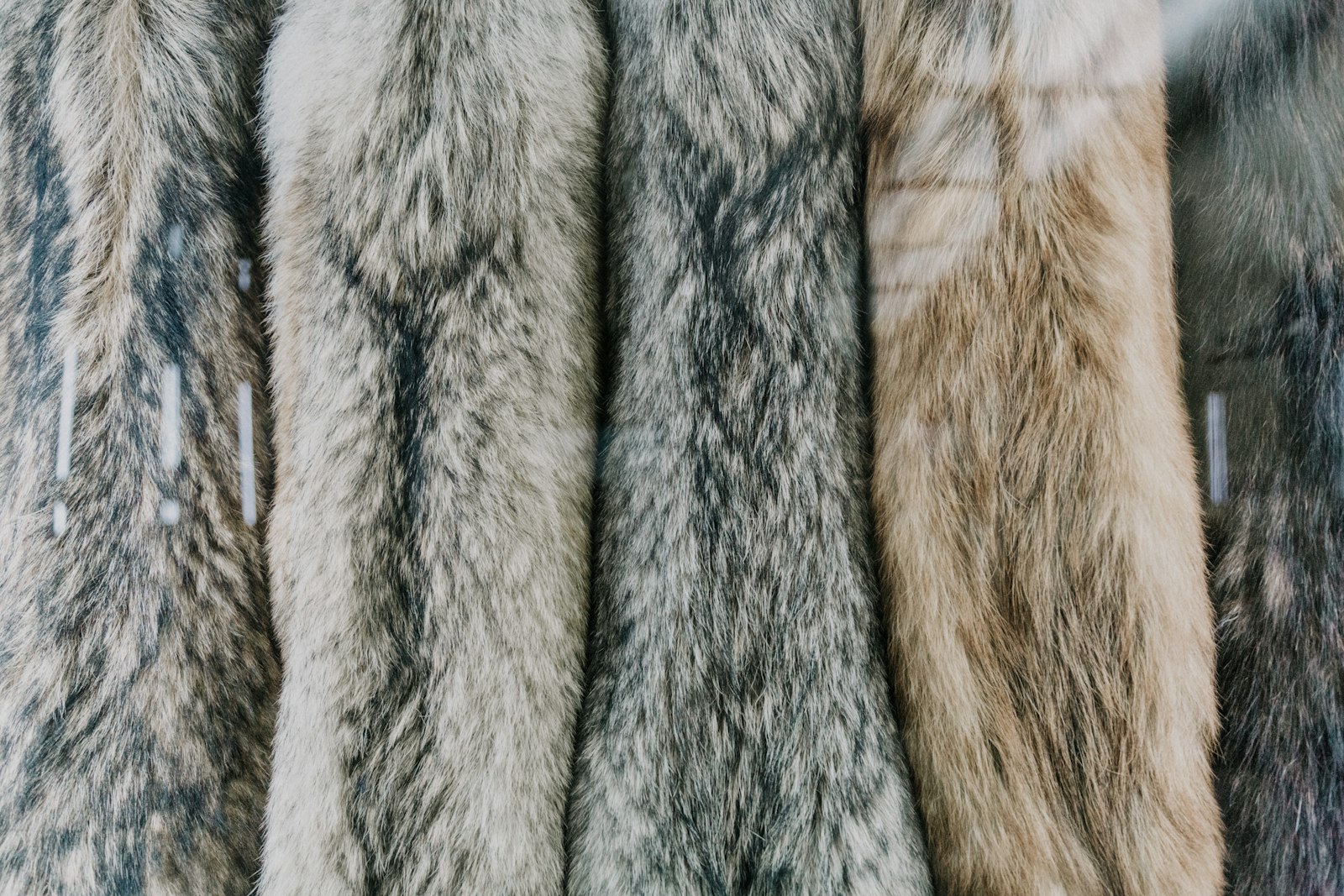
Two fur coats can look almost identical on a rack and behave nothing alike after five winters. One holds its shape, drapes cleanly, and survives a restyle. The other starts shedding at the seams, pulls at the shoulders, and cannot be repaired without leaving a visible scar. The difference is rarely the pelt itself. It is how the pelt was cut and joined. Hand-sewn fur craftsmanship is the slow, manual work that decides which of those two coats you own. It is the reason a furrier can match two pelts so the nap flows in one direction, adjust a seam without cutting into the hide, and rebuild a garment years later using the original material. This guide breaks down what hand-sewing actually involves, why it changes how a garment wears over a decade, how it compares with machine construction, and what to inspect before you buy.
What Hand-Sewn Fur Craftsmanship Actually Means
Fur is not fabric. It is a hide with hair attached, and it behaves like neither cloth nor leather. A sewing machine pushes a needle through material at speed and relies on a tight, uniform stitch. On fur, that pressure crushes the hair along the seam line, splits the hide at the puncture points, and leaves a stiff, visible ridge that no amount of finishing hides.
Hand-sewing avoids all three problems. Understanding how these garments are crafted helps when exploring our collection of luxury fur coats. A furrier works with a needle and thread on the leather side of the pelt, using stitches that pass through the hide without flattening the hair on the other side. The seam stays soft, the nap stays upright, and the join disappears into the garment.
- Needle and thread, leather side only: The furrier stitches through the back of the hide so the hair on the front is never compressed.
- Tension controlled by hand: Each stitch is tightened individually, which prevents the puckering a machine creates on uneven hide thickness.
- Seams that stay flexible: A hand-sewn join bends with the garment instead of forming a rigid line across the shoulder or chest.
- Reversible decisions: Hand stitching can be unpicked and redone. Machine stitching often weakens the hide enough that the seam cannot be moved.
The Steps a Furrier Works Through Before the First Stitch
MMost of the skill in hand-sewn fur craftsmanship happens before any sewing begins. A furrier reads the pelts first, and the decisions made at this stage determine whether the finished garment looks uniform or patchy under different light. This precision is equally vital when crafting our collection of fur hats for women. This is also where a hand-sewn garment separates itself from a mass-produced one. A factory works to a pattern and a fixed pelt count. A furrier works to the material in front of them.
- Pelt selection: Pelts are sorted by density, length, and color depth so the garment reads as one piece rather than a collection of pieces.
- Nap direction: Every pelt has a natural direction the hair lies. All pelts in a garment must run the same way, or the coat will look two-toned when you move.
- Matching and mirroring: Left and right panels are matched so the fur falls symmetrically across the body and the front closes cleanly.
- Cutting the hide: The furrier slices the leather side with a blade, not scissors, to avoid cutting the hair. This is one of the most unforgiving steps in the process.
- Blocking and shaping: Panels are dampened and shaped so the garment follows the body rather than hanging like a flat board.
Why Hand-Sewn Construction Changes How a Fur Wears Over a Decade
The value of hand-sewn fur craftsmanship shows up slowly. In the first season, a hand-sewn coat and a machine-sewn coat can look comparable. The gap widens every year after that, and it widens in three specific places. The first is the seam line. Machine stitching compresses hair along every join, and that compression becomes permanent. Over time, those lines darken and stiffen, and the coat begins to look seamed rather than continuous. Hand-sewn joins do not develop that pattern because the hair was never crushed in the first place. The second is shape retention. A hand-sewn garment has slight, deliberate give at the stress points, which lets the hide recover after being stretched. To ensure your garment retains its optimal fit, review our official size guide. A tightly machine-stitched garment has no give, so the hide stretches and stays stretched, which is why shoulders and elbows sag. The third is repairability. Furriers can open a hand-sewn seam, replace a worn panel, and close it again using the same technique. That is what makes restyling and resizing possible years later, and it is the single biggest reason a well-made fur can be worn, altered, and passed on instead of discarded.
Traditional Machine Construction vs. Hand-Sewn Fur Craftsmanship
Machine construction is not automatically bad. It is faster and less expensive, and for some lower-cost fur accessories it is a reasonable trade-off. The question is whether the price difference reflects the technique or just the labor. The table below lays out where the two approaches genuinely diverge. Use it as a checklist when you are comparing garments in person.
- Seam appearance: Machine-sewn | Visible ridge, flattened hair along joins | Hand-sewn | Seam disappears into the nap
- Flexibility: Machine-sewn | Stiff at shoulders and armholes | Hand-sewn | Bends with the body from the first wear
- Long-term shape: Machine-sewn | Stretches and stays stretched | Hand-sewn | Recovers after wear and storage
- Repairability: Machine-sewn | Difficult to open without damaging the hide | Hand-sewn | Can be unpicked, adjusted, and reclosed
- Resizing and restyling: Machine-sewn | Usually limited or not possible | Hand-sewn | Panels can be replaced or reshaped
- Time to make: Machine-sewn | Hours per garment | Hand-sewn | Days to weeks, depending on complexity
- Best suited to: Machine-sewn | Entry-level accessories and high-volume production | Hand-sewn | Garments intended to be worn for decades
How to Inspect a Fur Garment for Real Hand Work
Labels are not proof. Some garments describe themselves as hand-finished when only the lining was sewn by hand. The technique is visible if you know where to look, and a few minutes of inspection tells you more than any tag. Bring the garment into daylight rather than relying on store lighting, which is designed to flatter fur and hide unevenness.
- Turn it inside out: Look at the leather side. Hand stitching shows as small, slightly irregular stitches. Machine stitching is uniform and tight, often with a visible indentation line.
- Run a finger along the seams: A hand-sewn seam feels flat and soft. A machine-sewn seam feels like a thin cord running under the surface.
- Check nap direction in motion: Hold the garment up and move it. If the color shifts in patches rather than flowing, the pelts were not matched by direction.
- Look at the armholes and shoulders: These are the highest-stress areas. Any stiffness or puckering here will get worse, not better.
- Ask what happens in five years: A furrier who works by hand will talk about cleaning, glazing, and restyling. A seller who cannot answer that question is selling a disposable garment.
Care That Protects Hand-Sewn Work
Hand-sewn fur craftsmanship gives a garment a long working life, but only if the leather is maintained. The hide is the structural part of the coat, and it dries out the same way leather does. Once it cracks, no amount of stitching can restore it. Reviewing our comprehensive care guide helps protect the hide's natural oils. Storage matters as much as cleaning. Fur needs air circulation and should never be sealed in plastic, which traps moisture and encourages the hide to dry unevenly. A breathable garment bag in a cool, dark closet is enough for most homes. Should your piece ever require professional structural repair, inspect our returns and service policies. Professional cleaning is a separate process from dry cleaning and should be handled by a furrier, not a general dry cleaner. Ask specifically whether the service includes glazing, which restores oils to the leather and keeps hand-sewn seams supple. A yearly review of the lining and seams catches small issues while they are still cheap to fix.
Frequently Asked Questions (FAQ)
- Is hand-sewn fur always better than machine-sewn fur?
- For garments you intend to wear for many years, yes. Hand-sewing preserves the hide and allows future repair and restyling. For a low-cost accessory worn occasionally, machine construction can be a reasonable choice.
- How can I tell if a fur coat is genuinely hand-sewn?
- Turn it inside out and examine the leather side in daylight. Hand stitching appears as small, slightly irregular stitches with no compressed line of hair on the front. Machine stitching is uniform and leaves a visible ridge.
- How long does a hand-sewn fur garment take to make?
- It depends on the design and the pelts. A simple hat may take a day or two of hand work, while a full-length coat with matched panels can take several weeks. The time goes into pelt selection and matching as much as the sewing itself.
- Can a hand-sewn fur coat be resized or restyled later?
- Often, yes. Because the seams can be opened without destroying the hide, a furrier can adjust the fit, replace a worn panel, or restyle the silhouette. This is one of the main practical advantages of hand construction.
- How often does a hand-sewn fur need professional care?
- For a garment worn regularly in winter, an annual review with a furrier is sensible, with professional cleaning every few seasons depending on wear and climate. Storage in a breathable bag and a cool, dark closet protects the leather between cleanings.
Conclusion
Hand-sewn fur craftsmanship is not a decorative claim. It is a set of decisions — how pelts are matched, how the hide is cut, how the seam is closed — that determine whether a garment holds its shape for a season or for thirty years. Those decisions are visible if you look for them, and they are the difference between a coat you replace and a coat you keep.
Explore Hand-Sewn Fur at Furixe
Furixe has been working in haute fourrure since 1968, cutting and hand-sewing fur hats and coats from pelts selected for density, color, and nap direction. If you want to understand what hand-sewn construction feels like before you commit, start by reviewing our online shop and learning more about Furixe and our atelier standards. When you are ready, contact our team to walk through pelt options, custom fits, and long-term care for your garment.