A winter hat is the one accessory you wear every single day from November through March — and the one most women buy last, in a hurry, at whatever price the nearest store is asking. That is how you end up with a hat that flattens your hair, clashes with your coat, and gets replaced every second season. Fur hats for women solve a different problem. A well-made fur hat holds its shape for decades, works with both a tailored wool coat and a puffer, and does something no knit can: it makes the whole outfit look intentional. The catch is that fur is a category with real variables — fur type, construction, fit, and care — and most buying advice skips all four. This guide breaks down the silhouettes worth owning, how to tell quality construction from a hat that will shed by February, how to get the fit right the first time, and how to store and clean a fur hat so it stays wearable for years. It is written for women who want to buy once and wear it well.
Why Fur Hats for Women Keep Coming Back
Fur has cycled in and out of fashion for a century, but hats specifically never really left. The reason is structural rather than trend-driven: fur is one of the few materials that insulates without bulk, holds a sculpted shape in damp air, and resists the matting and pilling that eventually retire every knit beanie.
There is also a styling effect that is hard to replicate. A fur hat frames the face and adds vertical or horizontal volume exactly where you choose it, which is why the same hat can read sporty with a parka and formal with a cashmere coat. Few accessories shift register that easily.
Finally, there is longevity. A knit hat is a consumable. A properly made fur hat is closer to a piece of jewelry — something you keep, rest, and pass on. That changes the math on what is reasonable to spend.
- Warmth without weight: Fur traps air in dense underfur, so a lighter hat can outperform a heavier synthetic one.
- Shape retention: Quality fur returns to its original silhouette after being crushed in a bag or worn in snow.
- Face framing: Volume placement — crown, brim, or sides — changes how the hat flatters your features.
- Cost per wear: A hat worn five months a year for a decade costs very little per outing, even at a higher upfront price.
The Five Fur Hat Silhouettes Worth Knowing
Most fur hats for women fall into a handful of recognizable shapes. Knowing the names makes shopping far faster, whether you are browsing through our online shop or standing in a showroom.
Each silhouette flatters differently, so pick based on your face shape and how you actually dress — not on whichever photo you saw last.
- The Cossack: A tall, rounded crown with little or no brim. Adds height, elongates the face, and pairs well with tailored coats. Best for round or square faces.
- The Pillbox: A shallow, flat-topped cylinder that sits high on the head. Elegant and formal; it suits oval and heart-shaped faces and reads best with structured outerwear.
- The Trapper or Aviator: Ear flaps and a rounded crown. Practical in real cold, and deliberately casual — wear it with parkas and ski jackets, not evening coats.
- The Beret or Basque: Soft, flat, and slightly slouchy. The most forgiving shape for almost any face and the easiest to wear with casual outfits.
- The Bucket or Cloche: A deep crown with a downward brim. Offers the most coverage and a distinctly vintage feel; works best on longer or oval faces.
Real Fur, Faux Fur, or Shearling: An Honest Comparison
This is the decision that determines how the hat ages, how it feels, and how much it costs. There is no universally correct answer — only trade-offs you should choose deliberately.
- Real fur (mink, fox, rabbit) | Warmest per ounce, holds shape for decades, can be cleaned and repaired | Requires professional storage and cleaning, highest upfront cost
- Faux fur (acrylic and modacrylic blends) | Lowest price, no animal input, easy to replace | Mats and pills within a season or two, sheds fibers, limited shape retention
- Shearling (sheepskin with wool intact) | Exceptionally warm, ages into a patina, naturally water-resistant | Heavier than fur, bulkier silhouette, needs conditioning to stay supple
- Recycled or vintage fur | Distinctive one-of-a-kind pieces, often better construction than new mass-market hats | Limited sizing, may need re-lining or repair before wearing
How to Choose the Right Fur Type for a Hat
Not all fur behaves the same way in a hat, and the differences matter more on your head than on a coat. Here is how the common options actually perform.
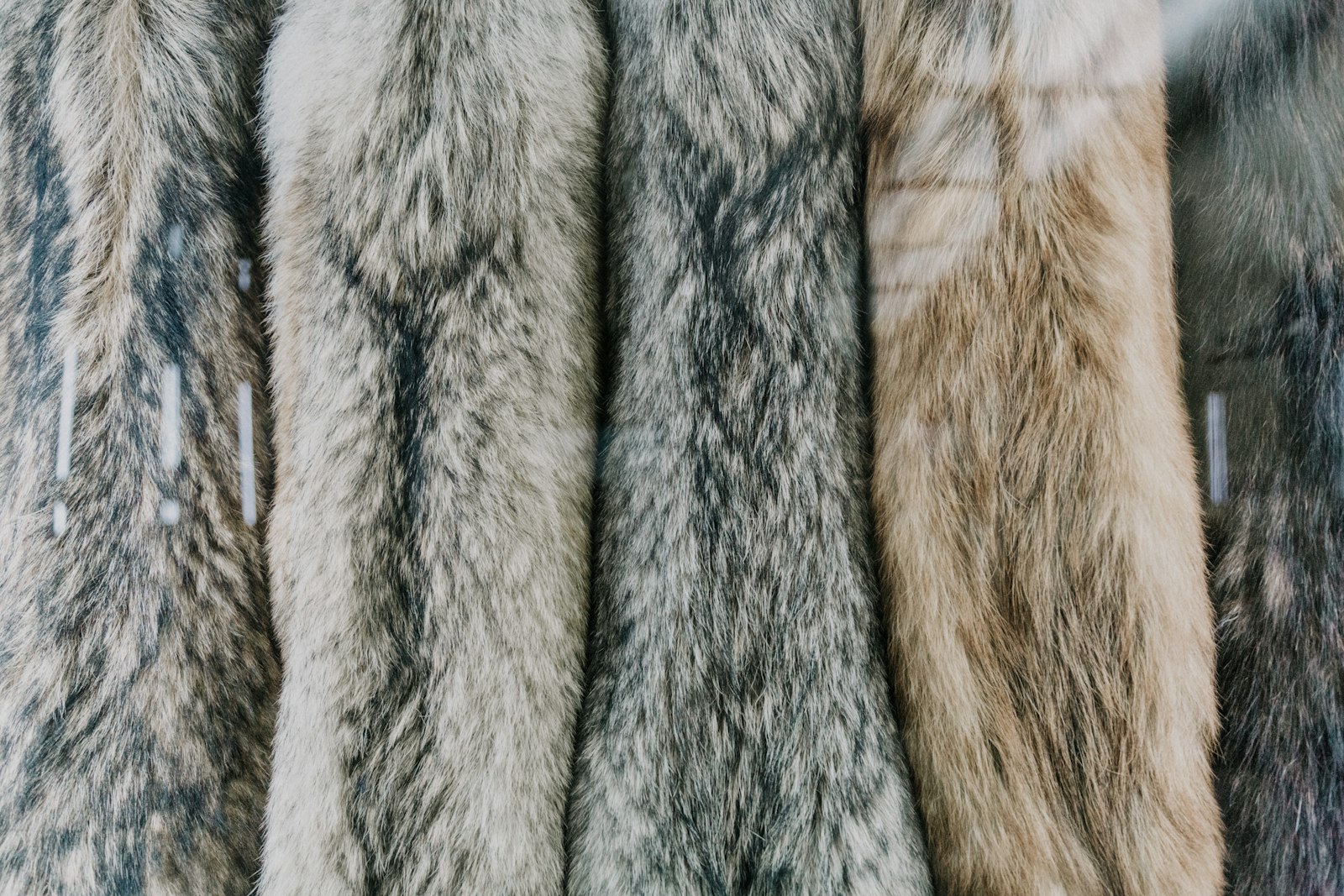
- Mink: The benchmark for smoothness and durability. Dense, low-shed, and holds a sculpted crown beautifully. The right choice if you want one hat to last decades.
- Fox: Longer, fluffier guard hairs create dramatic volume. Excellent for statement pieces and trapper styles, but the length makes it less suited to tight, structured shapes.
- Rabbit: Soft and affordable, with a shorter pile than fox. Wear it well and it looks luxurious; wear it daily in wet conditions and it will show its age sooner than mink.
- Persian lamb or astrakhan: Tight, curly texture with a distinctly vintage character. Ideal for pillbox and cloche silhouettes.
- Sheared fur: Fur clipped to a velvet-like finish. Lighter and more modern in feel, and easier to wear with casual clothing.
Getting the Fit Right: A Measurement Checklist
Fit is the single biggest reason a fur hat ends up unworn. Too tight and it leaves a mark and flattens your hair; too loose and it slides and looks borrowed. Measure once, write the number down, and check against our official size guide before buying.
Use a soft tape measure around the widest part of your head — roughly an inch above the eyebrows and around the fullest point at the back. Do this in the morning, since head size shifts slightly through the day.
- Measure in inches and centimeters: Most fur hats are sized in centimeters; converting avoids surprises.
- Account for hair volume: If you wear your hair up or very full, add roughly half a centimeter.
- Check the interior band: A grosgrain or satin ribbon band holds shape and protects the fur from scalp oils.
- Test the brow line: The hat should sit just above the eyebrows, not pressed down onto them.
- Confirm the crown depth: A hat that sits too high will feel unstable in wind; too low and it will shadow your eyes.
How to Wear a Fur Hat Without Looking Costumed
The most common fear about fur hats is looking like a period costume. The fix is contrast — pair the hat with something deliberately plain and modern so the fur reads as an accessory rather than a theme.
The second rule is restraint. One fur piece per outfit. If the hat is the statement, keep the coat simple; if the coat is fur, choose a wool or cashmere hat instead.
- With a wool overcoat: A Cossack or pillbox in a matching or slightly deeper tone looks tailored rather than theatrical.
- With a puffer or parka: Choose a trapper or beret; the softer, sportier shapes balance the technical fabric.
- With denim and knitwear: A slouchy beret or sheared fur bucket keeps the look relaxed.
- For evening: A pillbox or small cloche with a satin band, worn with a long coat and minimal jewelry.
- Color strategy: Neutral tones — camel, charcoal, ivory, deep brown — outlast trend colors and match more of your wardrobe.
Care, Storage, and Repair: Making a Fur Hat Last Decades
Fur is a natural material and responds to how it is treated. Neglect it and it dries, cracks, or sheds; care for it properly and it will outlive most of your wardrobe.
The two biggest risks are moisture and heat. Both strip the natural oils that keep fur supple and glossy. Review our returns and service policies if your garment requires professional attention or repairs.
- Shake, don't brush: After wearing, shake the hat gently to release dust. Use a soft brush only on longer furs, and only in the direction of the hair.
- Dry at room temperature: If the hat gets wet, hang it away from radiators and direct sun. Never use a hair dryer or a heated rack.
- Store in a breathable bag: Cotton or a dedicated fur bag, never plastic, which traps moisture and encourages drying.
- Keep it cool and dark: A closet away from windows is ideal. Heat and light fade and dry the leather beneath the fur.
- Clean professionally once a year: A fur specialist can clean, condition, and re-line a hat, which is often far cheaper than replacing it.
- Repair early: Small tears in the lining or band are inexpensive to fix and get much more expensive if ignored.
Frequently Asked Questions (FAQ)
- Are fur hats for women warm enough for real winters? — Yes. Fur insulates more efficiently than most synthetics, so a well-constructed fur hat typically outperforms a knit beanie of similar weight. For extreme cold, choose a trapper style with ear flaps.
- How do I know if a fur hat is well made? — Look at the interior first. A quality hat has a hand-finished lining, a grosgrain or satin band, and evenly matched fur with no thin patches. Check that the crown holds its shape when you press it gently — it should spring back.
- Can I wear a fur hat with casual clothes? — Absolutely. Berets, bucket shapes, and sheared fur styles work especially well with denim, knitwear, and puffers. The key is keeping the rest of the outfit simple.
- How often should a fur hat be cleaned? — Once a year is typical for regular winter wear, ideally at the end of the season before storage. Clean more often if the hat is worn daily or exposed to heavy snow and salt.
- Is it worth buying real fur instead of faux? — It depends on your priorities. Faux is cheaper and easier to replace; real fur holds shape, insulates better, and can be cleaned and repaired, which usually makes it the lower cost-per-wear option over time.
Conclusion
A fur hat is one of the few winter purchases that gets better with age rather than worse. Choose a silhouette that suits your face, pick a fur type that matches how often you will actually wear it, measure your head before you buy, and store it properly at the end of each season. Do those four things and you will stop replacing your winter hat every other year — and start wearing something that genuinely finishes the outfit.Explore more styling advice on our journal hub.
Explore Hand-Sewn Fur Hats at Furixe
Furixe has been cutting and hand-sewing fur hats and coats since 1968, working from a considered selection of mink, fox, and sheared fur. Learn more about Furixe and our atelier standards, or contact our team for personalized fitting and styling assistance.