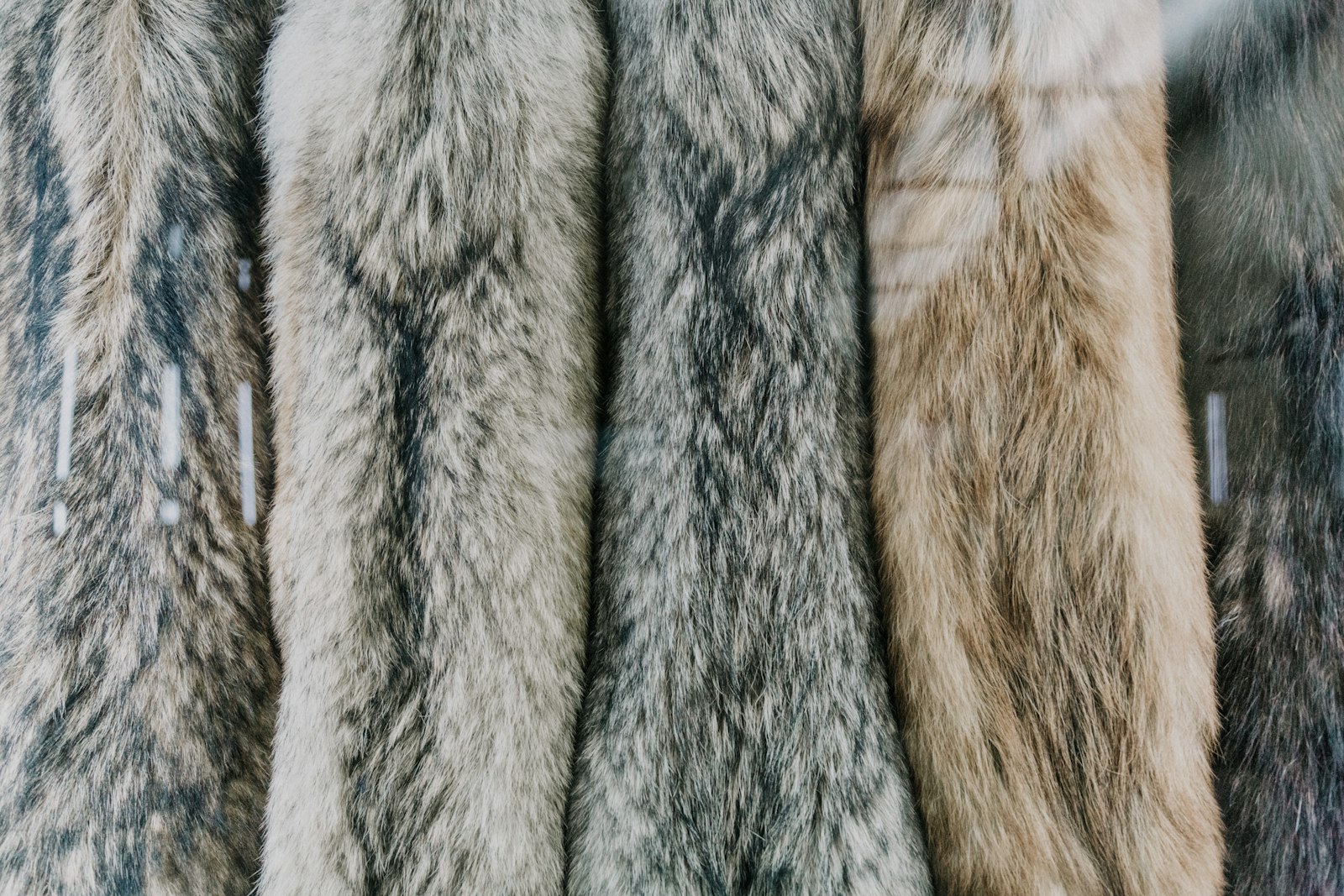
A winter coat can be perfect and still look unfinished. The gap is almost always at the top — a bare head reads as an afterthought, and no amount of tailoring below the collar fixes it. A fur hat closes that gap in one move. It adds height, texture and a finished silhouette, and it does something a knit beanie cannot: it makes the whole outfit look deliberate. The problem is that most people buy the first hat that fits and then wonder why it fights the coat. This guide breaks down the main fur hat styles, what each one does for a face and a frame, how to match a hat to the coat you already own, and the care habits that keep a fur hat looking new for years.
Why the Hat Decides the Outfit
People read an outfit from the top down. The hat sits at eye level, so it frames your face in every conversation and every photograph. That is a lot of visual weight for an accessory most shoppers treat as an afterthought. A fur hat also solves a real problem that wool and acrylic cannot. Fur fibers trap air and shed moisture, so the hat stays warm in dry cold and does not go clammy when you step indoors. That combination of function and finish is why fur hats have stayed in winter wardrobes for generations rather than cycling out with each trend.
The styles below are the shapes worth knowing. None of them are trends in the disposable sense — they are silhouettes that have survived because they work on real heads and real coats.
1. The Structured Fur Fedora
The fedora is the most versatile fur hat style and the safest first purchase. A defined crown and a modest brim give the hat architecture, which means it holds its shape on the head instead of collapsing into it. This is the hat to reach for when the outfit is already doing work — a tailored wool coat, a belted trench, a longline blazer. The fedora reads as intentional rather than decorative.
- Best for: Oval and heart-shaped faces, where the brim balances a narrower chin.
- Pairs with: Structured wool or cashmere coats, tailored trousers, leather gloves.
- Avoid if: You want something you can stuff into a bag. A fedora needs to travel on your head or in a box.
- Styling note: Wear it level or with a slight forward tilt. Pushed back, it loses the sharp line that makes the shape worth wearing.
2. The Cossack and Astrakhan Hat
The cossack is a tall, rounded crown with little or no brim, usually in a dense curled fur. It has presence. Where the fedora is architectural, the cossack is sculptural — it adds height and a soft, almost regal volume above the face. This is the shape that turns a simple black coat into something worth photographing. It also happens to be exceptionally warm, because the crown sits low and covers the ears without pressing them flat.
- Best for: Round and square faces, because the vertical height elongates the face.
- Pairs with: Long, clean-lined coats in solid colors. Let the hat be the only texture in the outfit.
- Avoid if: You are short-waisted or wearing a very bulky puffer — the combination can read as top-heavy.
- Styling note: Keep jewelry minimal. A tall crown plus a statement earring competes for the same space.
3. The Fur Pillbox and Beret
The pillbox is the most understated of the fur hat styles: a flat, cylindrical crown that sits high on the head with no brim at all. It is a formal shape, and it works best when you want elegance rather than warmth-first practicality. The fur beret is its softer cousin. Slouchy, rounded and easy to angle, it suits casual winter dressing without looking like you gave up. Both shapes are light enough to wear indoors at a long lunch or a winter wedding without feeling overdressed.
- Best for: Angular faces that benefit from a softer, rounded line at the crown.
- Pairs with: Sheath dresses, capes, double-breasted coats, silk scarves.
- Avoid if: You need serious ear coverage in a hard wind. This is a style hat, not a survival hat.
- Styling note: Angle the beret slightly to one side. Worn dead center, it can flatten the forehead.
4. The Trapper and Ear-Flap Hat
The trapper is the most functional fur hat style and the one most people picture when they think of a serious winter hat. Flaps fold down over the ears or tie up over the crown, so the same hat works for a blizzard and a city sidewalk. Modern versions have moved well past the utilitarian. A well-cut trapper in a rich fur reads as considered and slightly adventurous — the kind of hat that makes a plain parka look like a choice.
- Best for: Cold climates, long commutes, and anyone who loses heat through the ears first.
- Pairs with: Parkas, puffer coats, shearling, chunky knits, boots.
- Avoid if: Your wardrobe is entirely formal. There is no version of this hat that reads as evening wear.
- Styling note: Tie the flaps up on milder days. It changes the whole proportion of the hat and keeps the look sharper.
5. The Shearling Aviator
The aviator borrows its shape from flight gear: a close-fitting crown with a short brim and straps or buckles at the side. Shearling gives it a slightly rugged, lived-in quality that softens the formality of a full fur coat. This is the easiest fur hat to wear with denim and knitwear, which makes it a strong choice if your winter wardrobe leans casual. It is also one of the most forgiving shapes for a wide range of face lengths.
- Best for: Everyday wear, weekends, and travel where you want one hat to do everything.
- Pairs with: Denim, chunky sweaters, leather jackets, long wool scarves.
- Avoid if: You want a hat that disappears into a formal outfit. The hardware is meant to be seen.
- Styling note: Keep the rest of the outfit matte. Shearling already adds texture; too much shine elsewhere muddies it.
Matching the Hat to Your Coat and Face
Most hat mistakes are proportion mistakes, not taste mistakes. A hat that suits your face but fights your coat will still look wrong, and vice versa. Run through these checks before you commit.
- Coat volume sets hat volume: A slim, tailored coat takes a structured fedora. A bulky puffer takes a trapper or aviator. Match the weight of the hat to the weight of the coat.
- Color should echo, not match exactly: A hat in the same family as your coat — charcoal with black, camel with cream — looks more considered than a perfect match, which can read as a set.
- Face shape guides the silhouette: Long faces suit brims and lower crowns. Round faces suit height. Angular faces suit soft, rounded crowns.
- Hair length changes the fit: If you wear your hair up, size the hat to that volume, not to your head bare. A hat that only fits one way will sit wrong half the time.
- One statement per outfit: If the hat is the boldest thing you own, keep the scarf and gloves quiet. If the coat is the statement, choose a hat in a neutral tone.
Fur Type: What Changes, What Doesn't
Different furs behave differently on the head, and the difference matters more in a hat than in a coat because the hat sits against your skin and hair. Dense, short furs hold a crisp shape and resist matting. Longer, silkier furs drape and move but need more brushing to stay tidy. Neither is better — they simply suit different silhouettes. A structured fedora wants a fur that holds an edge; a slouchy beret wants one that falls.
- Shape retention: Short, dense furs keep a defined crown and brim. Long furs soften over time.
- Weight: Heavier furs feel warmer but can slide on fine hair. A proper inner band fixes this.
- Finish: Glossy furs catch light and read as dressy. Matte furs read as daytime and casual.
- Care load: The longer and finer the fur, the more often it needs brushing and airing.
Caring for a Fur Hat So It Lasts
A fur hat is a long-term purchase, and most of what shortens its life happens in the first week of ownership. The rules are simple and mostly about what not to do.
- Store it on a stand or stuffed with tissue: Never hang a fur hat by the brim or fold it into a drawer. Crushed fur does not spring back on its own.
- Keep it away from heat and direct sun: Radiators and car dashboards dry the leather and dull the fur.
- Shake, don't brush, after wearing: A light shake removes dust. Brush only when the fur looks matted, and always in the direction of the nap.
- Air it before storing: Let the hat sit at room temperature for a few hours before it goes back in the box, especially after snow or rain.
- Get it cleaned professionally, not at home: Water, soap and home dry-cleaning kits damage the pelt. Once a season is usually enough for a hat worn regularly.
How to Choose Between Two Hats
If you are deciding between two shapes and both look good in the mirror, the tiebreaker is almost always your actual winter. A hat you wear forty times beats a hat you wear four times and admire the rest of the season.
- **Structured fedora | All-rounder, dressy-casual | Tailored coats, city winters
- **Cossack | Statement, very warm | Long solid coats, cold dry climates
- **Pillbox or beret | Formal, light coverage | Events, mild winters, indoor wear
- **Trapper | Maximum warmth | Parkas, commuting, heavy snow
- **Shearling aviator | Casual, everyday | Denim, knitwear, travel
Frequently Asked Questions (FAQ)
- What fur hat styles suit a round face? — Taller crowns with some height, like the cossack, elongate a round face. Avoid wide brims that add horizontal width.
- Can I wear a fur hat with a puffer coat? — Yes, and a trapper or shearling aviator is the easiest match. Match the visual weight of the hat to the bulk of the coat rather than trying to contrast it.
- How should a fur hat fit? — Snug enough that it stays put in wind, loose enough that it does not press a line into your forehead. Size it to your hair as you actually wear it, up or down.
- Are fur hats still in style in 2026? — The shapes in this guide are classics rather than seasonal trends. What changes is the styling around them, not the silhouettes themselves.
- How often does a fur hat need professional cleaning? — Once a season is typical for a hat worn regularly. Spot-clean nothing at home — water and soap damage the pelt.
Conclusion
The right fur hat does two jobs at once: it keeps you warm and it finishes the outfit you already spent money on. Choose the silhouette that matches your coat's volume and your face's proportions, size it to the way you actually wear your hair, and store it properly between wears. Get those three things right and the hat stops being an accessory you remember to grab and becomes the part of the outfit people notice first.
Find Your Shape at Furixe
Furixe has been hand-sewing fur hats and coats since 1968, cutting each piece from the world's finest pelts. If you are choosing your first fur hat, start with a shape that matches the coats already in your closet — then let the fur do the rest.