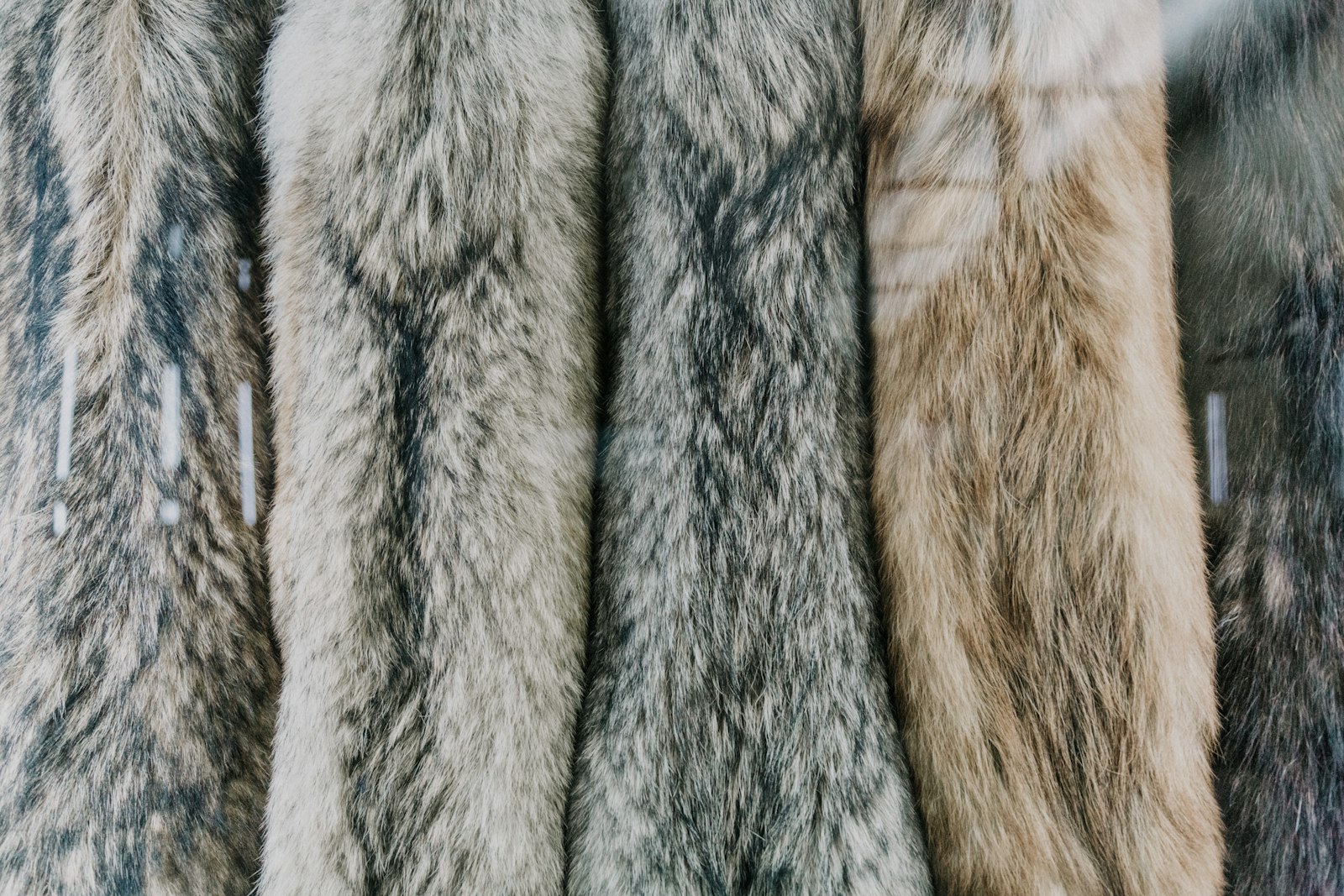
A fur coat that spends six months in the wrong closet comes back with problems you cannot reverse: dried leather, a musty smell, or a bare patch along the shoulder where moths fed undisturbed. None of that damage shows up on the day you put the coat away. It shows up in November, when it is too late to fix cheaply. Warm months are the risky half of a fur's life. Heat and humidity pull natural oils out of the hide, which is the part of a coat that cannot be replaced. Pests prefer the dark and the quiet. And the wrong hanger can distort a shoulder line over a single summer. This guide breaks down fur coat storage and care for warm months step by step: how to prep the coat, where to keep it, what to hang it on, how to handle pests without chemicals, and when to book professional cleaning so the work is done before the season turns. It is written for anyone keeping a hand-sewn fur in a real home, not a museum vault.Review our complete fur care guide for additional year-round maintenance tips.
Why Warm Months Are the Hardest Season on a Fur
Fur is skin and hair, and both react to the room around them. Above roughly 70°F with humidity climbing, the leather side of the pelt begins to lose the oils that keep it supple. Once that happens, the hide stiffens and eventually cracks — and no amount of conditioning brings a cracked pelt back.
Heat also makes a coat a target. Closets that sit warm and still for months are exactly where clothes moths and carpet beetles do their damage. They work slowly and quietly, and they prefer protein fibers, which is what fur is.
The good news is that the fix is mostly about placement and timing, not expensive equipment. Get the coat clean, get it into a stable, dark, dry spot, and check on it once or twice before fall.
- Heat: Softens and dries the leather side of the pelt, leading to stiffness and cracking.
- Humidity: Feeds mildew and musty odors that settle deep into the underfur.
- Light: Fades dyed and natural fur over months of exposure, even indirect sun.
- Pests: Moths and carpet beetles feed on fur and hide, usually out of sight.
Step 1: Clean the Coat Before You Store It
Never store a fur that has been worn through the season without cleaning it first. Everyday buildup — skin oils at the collar and cuffs, perfume, hairspray, food residue — is what attracts insects and holds odor. A coat that goes into storage dirty comes out smelling like the closet.
Professional cleaning is the safe route for any fur of value. A specialist cleans the pelt and the hair together, then conditions the leather side so it stays supple through the warm months. Household dry cleaning is not a substitute; the solvents used on fabric can strip the natural oils from fur.
If you have a hand-sewn piece, ask your atelier or furrier about their cleaning and conditioning process before booking. At Furixe, each coat is hand-sewn and finished in the atelier, so cleaning and conditioning are handled with the same care as the original construction.
- Timing: Book cleaning in spring, right after the last cold snap, before storage.
- What to flag: Any loose seams, thinning at the shoulders, or small tears — fix these before storage, not after.
- What not to do: Do not spot-clean with water, detergent, or household solvents. Fur is not fabric.
- If you skip cleaning: At minimum, air the coat outdoors in shade for a few hours and brush it lightly with a fur brush before storing.
Step 2: Choose the Right Spot — Temperature, Humidity, and Light
The ideal storage environment is cool, dark, and dry, with steady conditions. A dedicated fur vault or professional cold storage is the gold standard because it holds temperature and humidity constant. If that is not an option, a climate-controlled closet in the coolest part of the home is the next best thing.
Avoid basements and attics. Basements tend to run damp, which invites mildew; attics swing between hot and cold and often get indirect light. Both are worse than a bedroom closet with a door that stays shut.
Humidity matters as much as temperature. A room that stays around 45–55% relative humidity keeps the leather from drying out without creating the damp conditions mildew needs. If your home runs very dry in summer, a small room humidifier set low can help; if it runs damp, a dehumidifier in the closet area is worth the cost.
- Temperature: Aim for cool and stable — a closet that stays in the low 60s°F is far better than a warm room.
- Humidity: Around 45–55% relative humidity is the target range.
- Light: Store in the dark. Keep the coat out of direct and indirect sun, and out of reach of windows.
- Airflow: A little air movement prevents mustiness; a sealed airtight container traps moisture and odor.
- Placement: Keep the coat away from exterior walls that sweat in summer and away from heating or cooling vents.
Step 3: Hang It Correctly — Hanger, Shoulders, and Shape
A fur coat is heavy, and its weight sits on the shoulders. A thin wire or plastic hanger concentrates that weight on two small points and slowly distorts the shoulder line. Over a full summer, that distortion can become permanent.
Use a broad, padded hanger with a sturdy hook — ideally one made for outerwear, wide enough to fill the shoulder of the coat. A contoured wooden hanger with a wide shoulder works well. If the coat is long, make sure the hem is not resting on the floor or folded over a bar.If you are storing long luxury fur coats or statement handcrafted fur hats, make sure the hem or crown is never compressed or folded over a bar. Reference our size guide to ensure proper coat hanging proportions.
Cover the coat with a breathable cotton or muslin garment bag. Never use a plastic dry-cleaning bag for long-term storage; it traps moisture against the fur and can cause mildew. Leave the bag slightly open at the bottom for airflow.
- Hanger: Wide, padded, and sturdy. No wire, no thin plastic.
- Shoulders: The hanger should fill the shoulder seam so the coat holds its shape.
- Cover: Breathable cotton or muslin bag only — never plastic.
- Space: Give the coat room. Do not compress it against other garments.
- Length: A long coat should hang free; if it touches the floor, raise the rod.
Step 4: Handle Pests Without Chemicals on the Fur
Mothballs and cedar blocks are not interchangeable, and neither belongs against the fur itself. Mothball fumes are strong and can settle into the coat, and direct contact with the chemical can damage the pelt. Cedar is a mild deterrent, not a killer, and its effect fades as the wood dries out.
The better approach is prevention: a clean coat, a dark and dry closet, and a barrier. A breathable garment bag keeps insects off the fur directly. Cedar blocks or lavender sachets placed in the closet — not against the coat — add a deterrent layer. Refresh cedar by lightly sanding it once a season.
Check the coat once a month during storage. Look at the shoulders, collar, underarms, and hem — the spots pests reach first. If you see fine powder, small holes, or shed hairs, isolate the coat and call a furrier before the damage spreads.
- Cedar: A mild deterrent; place near the coat, not on it, and refresh the surface each season.
- Mothballs: Avoid against the fur. The odor is hard to remove and the chemicals can harm the pelt.
- Barrier: A breathable garment bag is your first line of defense.
- Inspection: Check shoulders, collar, underarms, and hem once a month.
- If you find damage: Isolate the coat and contact a furrier. Do not treat it yourself.
Professional Cold Storage vs. Home Storage
Professional fur storage is not just a bigger closet. Reputable furriers hold temperature and humidity in a narrow range, keep the space dark, inspect coats periodically, and insure them while they are in their care. For a valuable or hand-sewn piece, that is often the safest option.
Home storage can work well if you control the room. The trade-off is attention: you have to check the coat, watch the humidity, and manage pests yourself. The table below lays out the real differences so you can decide what fits your coat and your home.
- Climate control | Professional cold storage holds temperature and humidity steady year-round | Home storage depends on your closet and your home's HVAC
- Pest management | Furrier monitors and treats the space as part of the service | You inspect monthly and manage cedar, bags, and cleaning yourself
- Inspection | Coats are checked periodically during storage | You are the only one looking at the coat
- Insurance | Reputable furriers insure coats in their care | Covered only if your homeowner's policy includes it
- Cost | A seasonal fee per coat | No fee, but your time and attention
- Best for | Valuable, vintage, or hand-sewn furs | Coats worn often, in well-controlled homes
Step 5: Bring the Coat Back Gently in Fall
Do not pull the coat out of storage and wear it the same day. Give it a day or two in a cool, airy room to adjust to your home's conditions. If it was in professional storage, this transition is quick; if it was in a home closet, check it carefully for any changes.
Brush the coat lightly with a fur brush, working with the direction of the hair, to lift the nap and remove any dust. Hang it on its padded hanger in a spot with a little airflow. If anything looks off — stiffness, a new smell, a thin patch — call your furrier before the season gets busy.
Fall is also the right time to book any repairs or conditioning you noticed over the summer. Furriers get booked quickly once the weather turns, so a call in early fall beats a rush in December.
- Acclimate: Let the coat sit in a cool, airy room for a day or two before wearing.
- Brush: Use a fur brush, following the direction of the hair.
- Inspect: Check for stiffness, odor, or thinning before the first wear.
- Book early: Schedule repairs or conditioning in early fall, not mid-winter.
Frequently Asked Questions (FAQ)
- Can I store my fur coat in a plastic garment bag? — No. Plastic traps moisture against the fur and can cause mildew and odor. Use a breathable cotton or muslin bag instead.
- What temperature and humidity should fur coat storage be? — Cool and stable, ideally in the low 60s°F, with relative humidity around 45–55%. Avoid attics, basements, and any spot near vents or exterior walls that sweat.
- Do I really need to clean my fur coat before storing it? — Yes. Oils, perfume, and food residue attract insects and hold odor. Professional cleaning and conditioning before storage is the safest option for any fur of value.
- Are mothballs safe for fur coats? — No. Mothball fumes settle into the fur and the chemicals can damage the pelt on contact. Use cedar or lavender near the coat, and rely on a breathable bag and monthly inspections.
- How often should I check my fur coat during storage? — Once a month is a good rhythm. Look at the shoulders, collar, underarms, and hem for powder, small holes, or shed hairs, and isolate the coat if you find anything.
- Can I store a fur coat in a basement or attic? — Neither is ideal. Basements run damp and invite mildew; attics swing in temperature and often get indirect light. A climate-controlled closet in the coolest part of the home is better.
Conclusion
Warm-weather fur coat storage and care comes down to five things: clean the coat, keep it cool and dry, hang it on a wide padded hanger under a breathable bag, manage pests without chemicals, and check on it once a month. Do those, and the coat comes out of summer the way it went in — supple, full, and ready to wear. Skip them, and the damage is usually permanent by the time you notice it.Discover more expert care tips on our journal hub.
Book Seasonal Care at Furixe
If your fur deserves more than a closet shelf, let the atelier handle it. Furixe has been hand-sewing fur hats and coats since 1968, and the same hands that build a coat know how to clean, condition, and store it. Reach out to schedule seasonal cleaning and storage, or ask about care for a piece you already own.