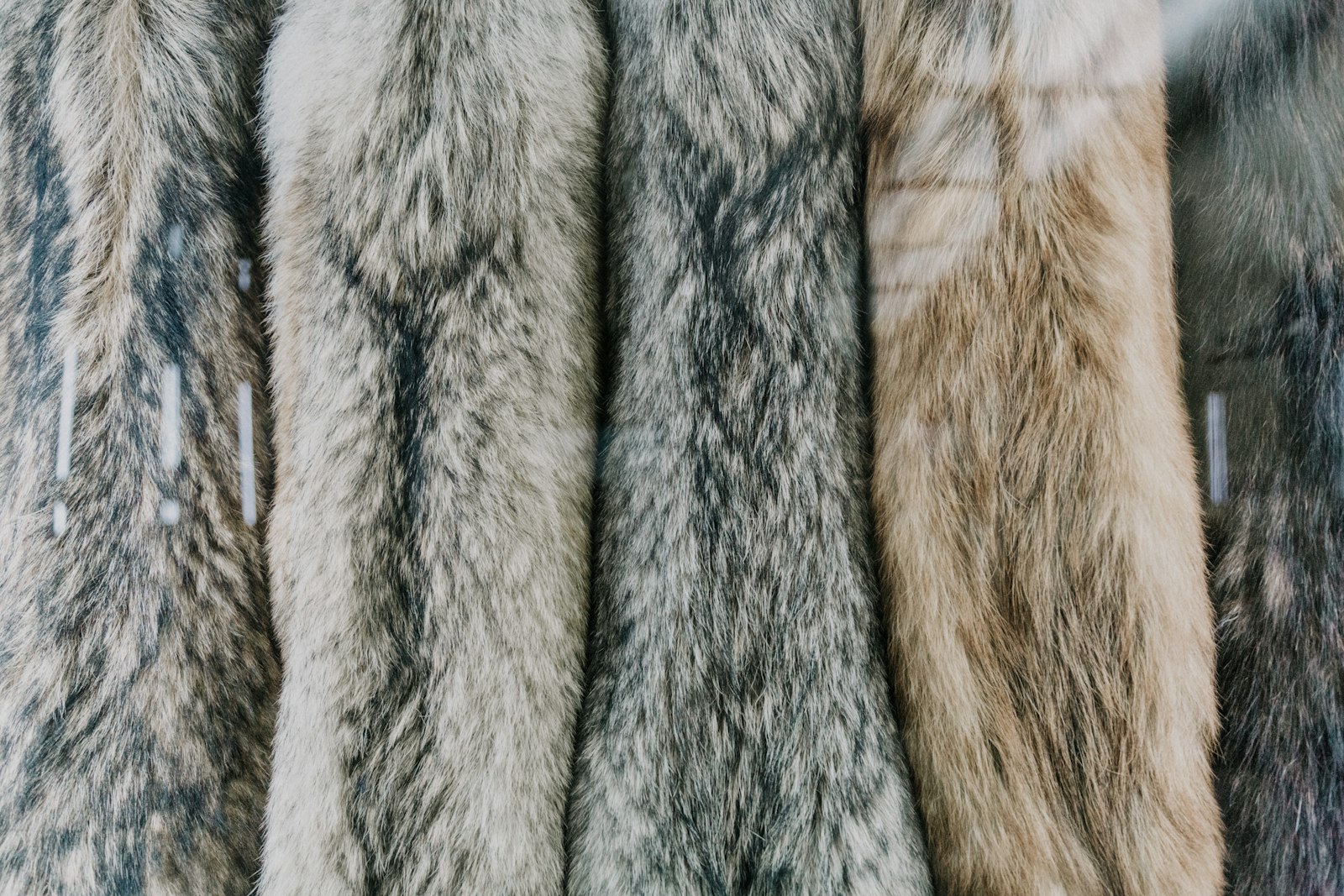
A fur coat that has spent three winters in a warm closet comes back stiff, dry at the shoulders, and shedding along the seams. Most owners assume the coat is finished. It usually is not — but the only way to know is to have someone put their hands on it. A fur coat restoration appointment is that moment. It is not a drop-off at a dry cleaner's counter, and it is not a quote given over the phone from a photo. It is a working session where a furrier opens the lining, tests the leather, grades the hair, and tells you what the coat can and cannot survive. This guide breaks down what actually happens in that appointment, step by step: the intake inspection, how the leather and pelts are assessed, when restoration makes sense and when it does not, what to bring, and how to prepare so you leave with a real answer instead of a vague promise.
Why a Fur Coat Restoration Appointment Is Not a Drop-Off
Fur is skin. A coat is a garment made of several dozen tanned pelts, sewn together at the leather side, with the hair left intact. When the leather dries out, the coat loses its drape and the seams begin to pull. When the hair is crushed or soiled, no amount of brushing at home brings it back. Both problems live on the inside of the garment, where you cannot see them.
That is why a real assessment has to be physical. A furrier needs to feel the leather between thumb and forefinger, check the shoulder yoke where stress concentrates, and look at the lining seams from the reverse. Photos help with scheduling, but they cannot tell you whether the leather still has oil in it.
The appointment is also where you find out what the coat is worth spending on. A restoration that costs more than the coat is worth to you is not a restoration — it is a hobby. A good furrier will tell you that plainly. Learn more about our heritage at our Bredgade atelier.
- What the appointment is: A hands-on inspection and condition report, followed by a written scope of work.
- What it is not: A same-day cleaning, a phone quote, or a general dry-cleaning service.
- Typical length: 30 to 60 minutes for a standard coat, longer for vintage or heavily damaged pieces.
Step 1: The Intake Inspection
The appointment opens with the coat laid flat, hair side up, under good light. The furrier will look at the whole garment before touching anything — the silhouette, the wear pattern, the color at the shoulders versus the hem. Fur ages unevenly, and the pattern of wear tells you how the coat was worn and stored.
Then the coat is turned. The lining is opened at a seam, usually under the arm or along the hem, so the leather side can be examined without cutting anything permanent. This is the step most owners have never seen, and it is the one that decides everything that follows.
You will be asked a short set of questions, and your answers matter as much as the inspection. How long have you owned it? Where was it stored, and in what? Has it been worn in rain or snow? Has it ever been cleaned? Was it inherited, and do you know who made it?
- Bring the coat itself: Never a photo, never a swatch. The garment is the evidence.
- Bring what you know: Purchase year, maker, any prior service receipts, and the storage method used.
- Say what you want: Wear it, resell it, hand it down, or display it. The goal changes the recommendation.
Step 2: Reading the Leather, the Hair and the Seams
This is the technical core of the appointment. The furrier works through three layers in order, and each one has its own failure mode.
The leather is checked first. Healthy tanned leather is supple and slightly waxy. Leather that has dried out feels papery and cracks when gently folded at the underarm. If the leather has gone brittle across a large panel, restoration is limited — you can stabilize it, but you cannot put oil back into skin that has already broken down.
The hair is checked second. The furrier will run a hand against the grain, then with it, looking for shedding, matting and breakage at the tips. Crushed hair at the collar and cuffs is normal and usually recoverable. Bald patches at the shoulders or along the spine are not — that is where the pelt itself has failed.
The seams come last. Stitching is inspected from the reverse for pulled or rotting thread, and the furrier will check whether the coat has been let out or altered before. Old alterations change what is possible in a second restoration.
- Leather suppleness: The single best predictor of whether a coat can be restored at all.
- Hair density and shedding: Light shedding is manageable; patch loss at stress points is not.
- Seam integrity: Rotting thread is repairable; torn leather along a seam is a bigger job.
- Prior alterations: Disclosed history prevents surprises mid-restoration.
Step 3: The Written Scope and What It Costs You
A serious furrier does not give you a number and wave you out the door. You should leave the appointment with a written scope: what will be done, in what order, and roughly how long it will take.
Restoration is rarely one task. It is a sequence — cleaning, conditioning the leather, repairing seams, replacing a lining, re-blocking the shape, and a final brush and finish. Some coats need all of it. Many need two or three items and nothing more.
Ask directly which items are essential and which are optional. A good furrier will separate them for you, because the honest answer is often that the coat needs conditioning and a new lining, and does not need a full re-block.
Timelines follow the work. A conditioning and clean is a short job. A lining replacement or a seam rebuild takes longer, and a full restoration on a vintage coat can run into weeks. Ask for the estimate in writing and ask what happens if the furrier finds something worse once the lining is fully open.
- Ask for the scope in writing: Itemized, not a single lump figure.
- Ask what is essential versus optional: This is where you control the spend.
- Ask about contingencies: What if the leather is worse under the shoulder panel than it looks?
- Ask what is not covered: Some damage cannot be fixed, and you want to hear that up front.
Step 4: The Work Itself, and What You Get Back
Once you approve the scope, the coat goes to the bench. Cleaning comes first, because you cannot assess or repair a coat that is still soiled. Conditioning follows, worked into the leather side by hand so the skin regains suppleness before any stitching is done.
Seam repairs and lining replacement come next, then re-blocking — the process of returning the coat to its original shape after years of hanging and wearing. The final stage is the brush and finish, where the hair is worked back into alignment and the coat is inspected for anything missed. For routine home care advice, explore our fur care guide.
When you collect it, walk through the same checks the furrier did at intake. Feel the leather at the underarm. Run your hand against the grain. Look at the lining seams from the inside. If something is not right, say so at the counter, not three weeks later.
At a house that makes its own coats, restoration is not a side service. It is the same bench, the same hands and the same standard the coat was built to in the first place.
- Cleaning and conditioning: Removes soil and returns oil to the leather, in that order.
- Repair and lining: Seams rebuilt, linings replaced, weak points reinforced.
- Re-blocking: Restores silhouette and drape after years of hanging.
- Final brush and inspection: The last pass before the coat goes home with you.
When Restoration Makes Sense — and When It Does Not
Not every coat should be restored, and a furrier who tells you otherwise is selling, not advising. The decision comes down to three things: the condition of the leather, the sentimental or market value of the piece, and what you intend to do with it.
Restoration is usually worth it when the leather is still supple, the damage is concentrated in the lining and seams, and the coat is either well made or meaningful to you. It is usually not worth it when the leather has gone brittle across large panels, when the pelts are shedding in patches, or when the coat was a low-cost piece to begin with.
There is a middle case that comes up constantly: inherited coats. A coat from a parent or grandparent often has more value as an object than as outerwear. In that situation, ask about stabilization rather than full restoration — enough work to stop further deterioration and keep the piece intact, without pretending it will be worn hard again.
A note on market focus: many owners in cold-winter markets face the same problem — a coat worn hard for two or three seasons, then stored improperly. The appointment process is the same everywhere. The answer depends on the garment's condition, not the climate.
- Worth restoring: Supple leather, sound pelts, damage limited to lining and seams.
- Not worth restoring: Brittle leather across panels, patch shedding, low original quality.
- Stabilize instead: For inherited pieces you want to preserve rather than wear.
- Get a second opinion: If a quote feels high, a second inspection costs you an hour.
How to Prepare for Your Appointment
Preparation is short, and it makes the appointment more useful. Bring the coat, not a photo. Bring any paperwork you have — receipts, prior service records, a note of the maker. If the coat was inherited, bring what you know about its age.
Wear or bring the clothes you normally wear under the coat. Fit matters in restoration, and a coat that is tight over a sweater needs a different scope than one worn over a shirt.
Finally, decide your budget before you walk in, and say it out loud. A furrier can work to a number. What they cannot do is guess it.
- Bring the coat and its paperwork: Age and maker change the recommendation.
- Bring your usual layers: Fit affects the scope of work.
- State your budget: It shapes what is essential versus optional.
- Ask your questions at the bench: Not after you have paid.
Frequently Asked Questions (FAQ)
- How long does a fur coat restoration appointment take?
- A standard appointment runs 30 to 60 minutes. Vintage or heavily damaged coats take longer because more of the lining has to be opened for a full inspection. The appointment itself is the assessment; the restoration work happens afterward.
- How much does fur coat restoration cost?
- Cost depends entirely on the scope: a clean and conditioning is a modest job, while a lining replacement or seam rebuild is a larger one. A written, itemized quote is the only honest answer, and you should ask for one before approving any work.
- Can any fur coat be restored?
- No. Leather that has gone brittle across large panels cannot be brought back, and patch shedding at stress points usually means the pelts themselves have failed. Supple leather with damage limited to the lining and seams is the best candidate.
- How often should a fur coat be serviced?
- An annual inspection is the practical rhythm, ideally before the coat goes into seasonal storage. Catching a dried seam early is far cheaper than rebuilding a shoulder panel later.
- What should I bring to the appointment?
- The coat itself, any receipts or service records, and what you know about its age and maker. Bring or wear your usual layers so fit can be checked, and decide your budget beforehand.
Conclusion
A fur coat restoration appointment is a physical, hands-on assessment: the coat is laid flat, the lining is opened, the leather is tested, the hair is graded and the seams are read from the reverse. You leave with a written scope, a clear split between essential and optional work, and an honest answer about whether the coat is worth the spend. Prepare by bringing the coat, its history and your budget — and ask your questions at the bench, not after.
Book a Restoration Assessment with Furixe
If your coat has been hanging in the dark for a few winters, bring it to a house that still works fur by hand. Furixe has been sewing on Copenhagen's Bredgade since 1968, and our workmanship promise covers storage, brushing, and restoration for as long as you own the piece. Reach out to arrange an assessment or browse our full collection at the Furixe Homepage or our luxury fur shop.