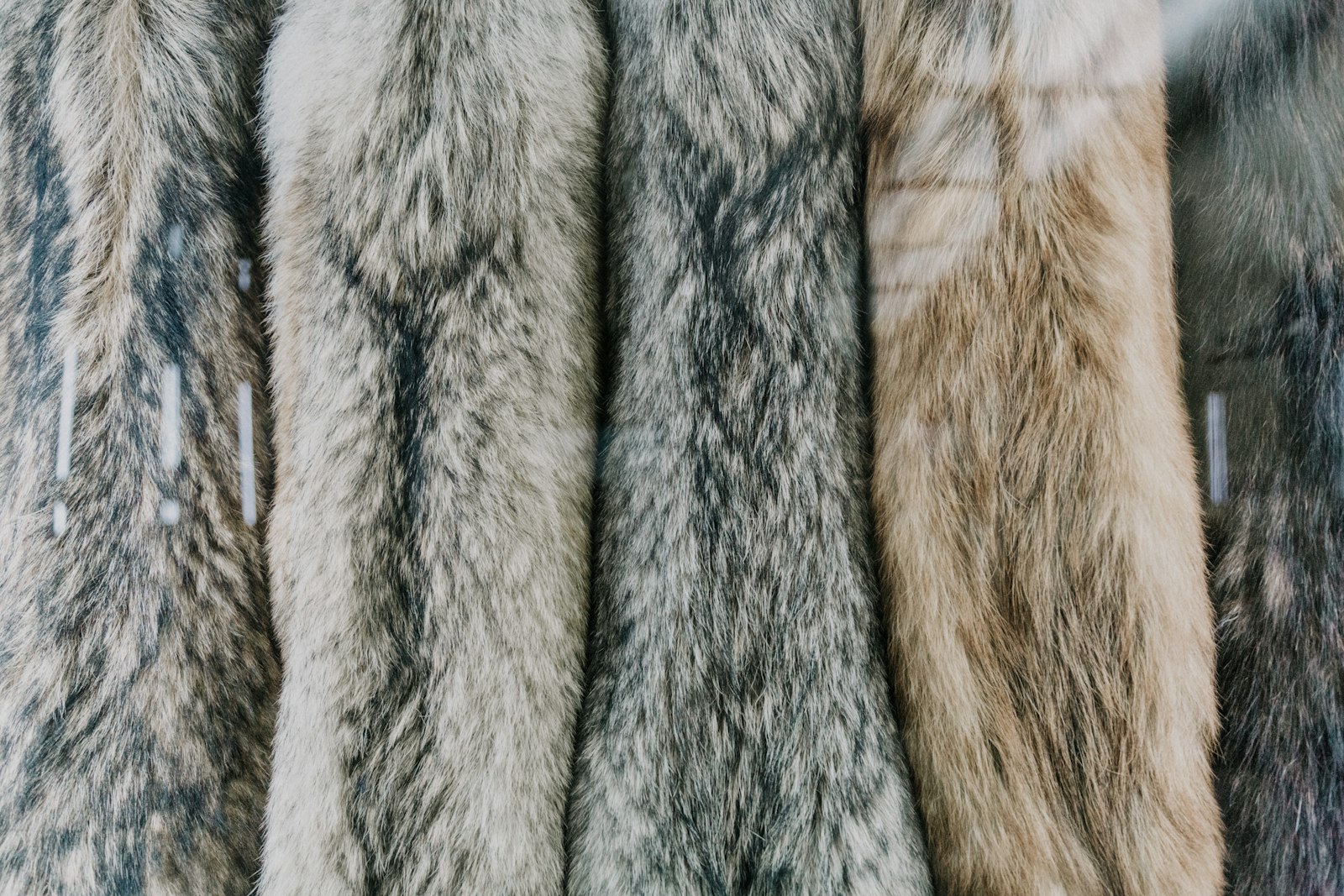
A fur coat that has torn at the shoulder seam, shed along the collar, or lost its shine after a decade in a closet is rarely finished. Most damage is repairable, and the difference between a coat that looks tired and one that looks nearly new usually comes down to a handful of specific techniques. The problem is that fur coat repair and restoration is poorly understood by most owners. Without a clear picture of what a workshop actually does, it is easy to pay for work that does not address the real issue, or to accept a quote that quietly skips the step your coat needs most. This guide breaks down the repairs that are routine, the restorations that are possible, the ones that are not, and the questions to ask before you hand over a garment you may have inherited.
What Counts as Repair vs. Restoration
The two words get used interchangeably, but they describe different jobs with different timelines and different price points. Knowing which one your coat needs keeps expectations honest from the first conversation. If you are assessing the condition of your garment before seeking fur restoration services, review our returns and service policies for initial guidance.
Repair is structural. It fixes something that has failed: a split seam, a torn panel, a broken hook, a lining that has separated from the hem. The goal is to return the coat to wearable condition without changing how it looks.
Restoration is cosmetic and often cumulative. It addresses wear that has accumulated across the whole garment — thinning fur, flattened nap, dulled guard hairs, a stretched or stained lining. Restoration aims to bring the coat back toward how it looked when it was made, and it usually involves several processes rather than one.
- Repair: A torn underarm seam on an otherwise sound coat. One focused fix, often completed in days.
- Restoration: A 1970s mink that has dried out, lost sheen, and needs cleaning, conditioning, glazing, and lining work together.
- Both at once: Common on vintage pieces, where a structural failure sits on top of years of cosmetic decline.
The Repairs That Are Routine
Most fur damage falls into a small number of categories, and a competent workshop has seen each of them hundreds of times. If your coat has one of the following issues, the fix is well established.
The key constraint in every fur repair is that you cannot simply sew a patch onto the surface the way you would with fabric. Fur is worked from the leather side, and matching the pile direction, density, and color of the original pelts is what separates an invisible repair from an obvious one.
- Seam and panel tears: Opened from the lining side, re-stitched along the original seam line, then closed so the repair disappears into the pile.
- Bald spots and thinning areas: Often resolved by shifting fur from a hidden zone — under the collar, inside a facing, or from the hem allowance — into the visible area.
- Torn or missing hooks and eyes: Replaced with period-appropriate hardware, sewn through the leather rather than the fur so the closure does not pull.
- Split shoulders and armholes: A high-stress area where the leather has usually fatigued; reinforced with a backing strip before re-stitching.
- Cuff and hem wear: The edges that touch everything. Frequently rebuilt by turning the hem or adding a matching fur band.
Restoration Work: Cleaning, Glazing and Conditioning
Restoration is where a coat visibly changes. The processes below are the ones that most often account for the difference between a garment that looks old and one that looks cared for.
Fur is skin, and skin dries out. Leather that has lost its natural oils becomes brittle, which is why a coat stored in a dry closet for years can tear the first time it is worn. Conditioning restores suppleness to the leather side before any cosmetic work begins. To preserve the beauty of your piece after restoration, consult our care guide.
- Cleaning: Fur is cleaned with compounds worked through the pile, not immersed in water. This lifts oils, smoke, perfume and surface soil without wetting the leather.
- Conditioning: Oils are reintroduced to the leather to restore flexibility and reduce the risk of future tearing.
- Glazing: A finishing treatment that lifts the nap and returns sheen to the guard hairs. This is the step most responsible for the 'new' look.
- Lining replacement: A new lining in silk, satin or a period-appropriate fabric, cut and hand-set so the coat hangs correctly.
- Monogram and label preservation: Original maker labels are retained and re-set where possible, which matters on collectible pieces.
What Cannot Be Fixed
Honest workshops will tell you when a coat has passed the point of sensible restoration. It is worth knowing the signals yourself so you can evaluate the advice you get.
The limiting factor is almost always the leather, not the fur. Hair can be replaced or redistributed. Leather that has rotted, become brittle across large areas, or torn in multiple unrelated places cannot be reliably rebuilt, because every new stitch pulls through weakened material.
Severe moth damage is the other common dead end. Moths eat the fur and leave the leather, and when a coat has been infested across the back and sleeves, there is not enough sound material left to work with. However, a workshop may still be able to salvage sound areas to craft custom fur hats for women or trims for other garments.
Fur Coat Repair and Restoration: What It Costs in Time
Fur work is slow because it is largely hand work, and the sequence matters. Cleaning and conditioning have to happen before cosmetic finishing, and any structural repair has to be completed before the lining goes back in.
As a general guide, a single repair may be measured in days, while a full restoration is measured in weeks. Seasonal demand matters too: workshops fill up in early autumn as people prepare coats for winter, so a coat brought in during that window will take longer than the same coat brought in during spring.
Ask for a written estimate that itemizes each process rather than a single lump figure. That way, if your budget is limited, you can prioritize the structural repair now and defer the cosmetic glazing to a later season.
- Ask what is included: Cleaning, conditioning and glazing are separate processes; confirm which ones the quote covers.
- Ask about the lining: If the lining is being replaced, confirm the fabric and whether the original label is being retained.
- Ask about hardware: Original buttons and hooks are sometimes reusable and worth keeping.
- Ask about storage after: A restored coat needs proper storage to hold its condition.
How to Judge the Work Before You Commit
You do not need to be a furrier to assess whether a workshop is right for your coat. A short conversation usually tells you what you need to know.
A workshop that inspects the garment in person, looks at the leather side, and explains what it found is a workshop that understands the material. One that quotes a price over the phone without seeing the coat is guessing, and the guess is usually wrong in one direction or the other.
- They examine the leather, not just the fur: Brittle leather changes what is possible.
- They explain the sequence: Repair before restoration, lining last.
- They tell you what they will not do: A clear 'this is not worth restoring' is a good sign.
- They show you comparable work: Ask to see examples of repairs on the same fur type as yours.
- They discuss storage: The best workshops treat aftercare as part of the service.
Frequently Asked Questions (FAQ)
- Can a torn fur coat be repaired invisibly?
- In most cases yes, if the tear is along a seam or in an area where fur can be shifted from a hidden zone. The repair is worked from the leather side and matched for pile direction and color, so it disappears into the coat. Large tears through brittle leather are harder to hide.
- Is it worth restoring an old fur coat?
- It depends on the condition of the leather and the sentimental or material value of the coat. If the leather is still supple and the damage is cosmetic, restoration usually makes sense. If the leather is brittle across large areas, a workshop may advise against it.
- How long does fur coat restoration take?
- A single repair can be completed in days. A full restoration involving cleaning, conditioning, glazing and lining replacement typically takes several weeks, and longer during the autumn rush before winter.
- Can moth damage be fixed?
- Localized moth damage can often be repaired by shifting fur from a hidden area. Widespread infestation across the back and sleeves usually cannot be rebuilt, though the collar and cuffs may be salvageable for other pieces.
- Does cleaning damage fur?
- Not when it is done correctly. Fur should never be immersed in water or treated like fabric. Proper cleaning uses compounds worked through the pile to lift soil without wetting the leather underneath.
Conclusion
Fur coat repair and restoration is a sequence of specific, well-understood processes: structural repairs first, then cleaning and conditioning, then cosmetic finishing and lining work. Most damage is fixable, the limiting factor is almost always the leather rather than the fur, and the workshops worth using are the ones that tell you honestly which category your coat falls into.
Restore Your Fur with Furixe
If you own a fur that has torn, thinned, or simply lost its shine, the next step is an assessment. Furixe has been working with fur since 1968, hand-sewing luxury fur coats and accessories from pelts sourced around the world. That same standard of hand work applies to repair and restoration. Discover more about Furixe or contact our team to bring your coat in for an inspection and an itemized estimate.