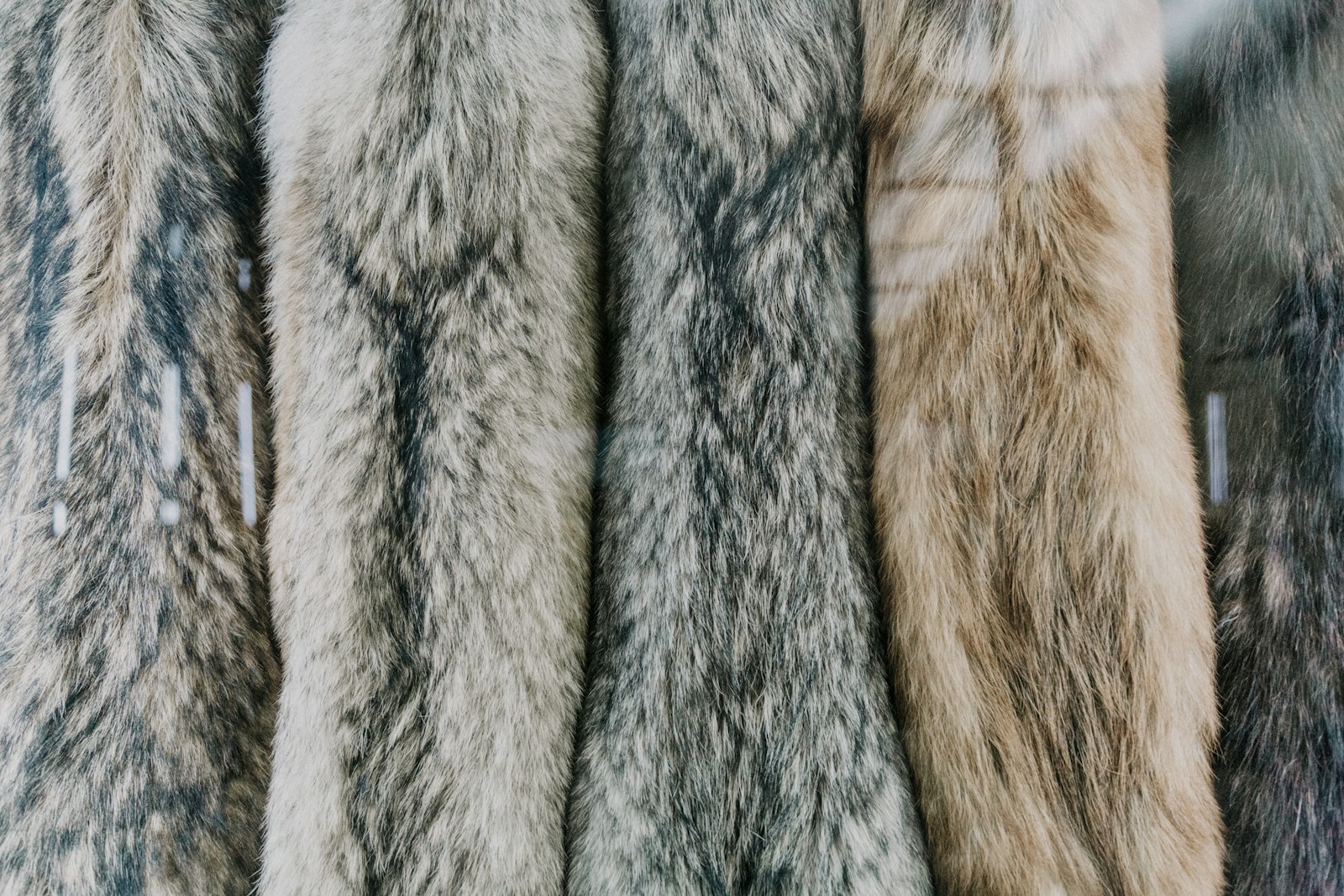
Most people who inherit or buy a fur coat look first at the fur itself — the density, the sheen, the drape. The quiet detail that tells you the most is usually hidden: a monogram and a year, stitched inside the lining or stamped on a small label near the hem. Those two marks are not decoration. On a hand-made coat they record who the coat was made for, which atelier made it, and in what year the work was finished. Read together, they tell you how the coat was built, how old it is, and what kind of care it will need next. Ignoring them can cost you: a coat misdated or misread can be over-restored, under-insured, or sold for far less than it is worth. This guide explains what a fur coat monogram and year actually mean, how to find them, and how to read them like a furrier would. You will also learn what the marks say about the pelts, the handwork, and the resting period behind a well-made coat — and what to do if your coat has no marks at all.
Why the Monogram and Year Matter More Than You Think
A fur coat is one of the few garments still made to be inherited. Because of that, the marks inside it function as a kind of passport. They connect the coat to a place, a year and a hand.
For a buyer or an heir, those details answer questions that the fur alone cannot. Was this coat made before or after a certain atelier changed hands? Was it cut in a year when long silhouettes were standard? Does the monogram belong to the original owner or a later one? Each answer changes how you value, insure and care for the piece.
For the maker, the marks are a promise. When a house signs a coat with a monogram and a year, it is saying the work is finished and accountable. That is why the most careful furriers treat the signature as part of the construction, not an afterthought.
- Identity: The monogram ties the coat to its first owner or commissioning client.
- Dating: The year fixes the coat in a specific era of cut, lining and fur preparation.
- Accountability: A signed coat can be traced back to the atelier and the season it was finished.
- Care planning: Age and construction determine how the coat should be stored, brushed and restored.
Where to Find the Monogram and Year on a Fur Coat
The marks are almost always inside, and they are easy to miss if you only look at the fur. Start with the lining, then work outward.
Turn the coat inside out and check the inside of the lining at the back of the neck, the inside pocket, and the seam where the lining meets the hem. On many hand-made coats the monogram is embroidered into the lining itself; on others it sits on a small fabric label sewn into a seam.
If you find nothing, do not assume the coat is unsigned. Some houses place the year on a separate label near the hem or inside a pocket flap, and older coats sometimes carry the monogram on the facing rather than the lining.
- Inside the lining: Check the back of the neck and the center back seam first.
- Inside pockets: Look at the pocket bag and the seam where it joins the coat.
- Hem and facing: Run your fingers along the inside hem for a small label.
- Sleeve lining: Some makers place a year mark near the cuff opening.
- Under the collar: A monogram is sometimes stitched to the underside of the collar stand.
How to Read the Year: What It Tells You About Construction
The year is the most useful single fact on a fur coat. It tells you which era of construction the coat belongs to, and that in turn tells you what to expect from the fur, the lining and the seams.
A coat made in a year when long, sweeping silhouettes were standard will have been cut differently from one made in a year of shorter, fitted shapes. The year also tells you how much natural aging to expect: linings, threads and pelts all change with time, and a coat from an earlier year will usually need more careful inspection than a recent one.
Use the year as a starting point for a conversation with a furrier, not as a verdict. Two coats from the same year can be in very different condition depending on how they were stored.
- Cut and silhouette: The year places the coat in a specific era of pattern and proportion.
- Lining and thread: Older coats often show wear at the lining seams and underarm gussets first.
- Pelt condition: Age alone does not determine condition; storage matters more.
- Restoration planning: A furrier can use the year to judge which repairs are appropriate.
How to Read the Monogram: What It Tells You About the Maker
The monogram is the human mark. On a hand-made coat it usually records the client, but the way it is worked the stitch, the thread, the placement can also point to the atelier that made the coat.
Hand-embroidered monograms show small irregularities that machine work does not: slight variations in stitch length, a thread that follows the curve of a letter rather than cutting across it. Those details are evidence of handwork, and they are worth noting if you are trying to establish who made the coat.
If the monogram belongs to a previous owner, treat it as part of the coat's history rather than a flaw. Many furriers can add a new monogram beside or below the original, preserving the record of both.
- Stitch quality: Hand-worked monograms show slight, natural variation in stitch length.
- Thread and placement: The thread type and position can hint at the atelier's house style.
- Ownership history: A monogram may record the first owner, a later owner, or both.
- Adding a monogram: A furrier can add a new mark without removing the original.
What the Marks Reveal About the Pelts and the Handwork
A signed coat is usually a coat made with care at every stage, and the marks are the last step in a long process. At Furixé, every garment is hand-sewn in the atelier on Bredgade in Copenhagen, from winter pelts bought in season at audited Nordic auctions. No machines touch the fur.
The work behind the signature is slow. Each skin is stretched, matched and graded by hand under northern light. Pelts are cut into ribbons and re-sewn in thousands of invisible hand stitches — the let-out technique that gives a coat its flow. Every piece then rests a full season before it is brushed and inspected over four days.
That resting period is why the year matters. A coat signed in a given year was finished after that full rest, not before. The date on the label is therefore a record of when the coat was truly ready to leave the atelier, not when the sewing stopped.
- Winter pelts only: Fur is bought in season from audited Nordic auctions.
- Traceable skins: Every pelt can be traced to an audited source.
- Hand matching: Skins are stretched, matched and graded by hand under northern light.
- Let-out sewing: Pelts are cut into ribbons and re-sewn in thousands of invisible hand stitches.
- Full-season rest: Each piece rests a full season, then is brushed and inspected over four days.
Signed vs. Unsigned: What the Difference Means for You
Not every fur coat carries a monogram and a year. Some were made by workrooms that did not sign their pieces; others have lost their labels through relining or repair. The table below sets out what each case usually means for the owner.
This is not a judgment of quality. An unsigned coat can be beautifully made. But a signature gives you something an unsigned coat cannot: a fixed point of reference for dating, valuation and care.
- Signed with monogram and year Traceable to atelier and season, Easier to date, insure and restore
- Signed with year only | Dated but not attributed to a client | Still useful for construction and care planning
- Unsigned with original label Maker known, date uncertain, Ask a furrier to assess construction and age
- Unsigned and unlabeled, No documentary record, Rely on a hands-on inspection by a furrier
Using the Monogram and Year to Plan Care and Inheritance
Once you know the year and the maker, you can plan care around facts rather than guesswork. A coat from an earlier year should be inspected for lining wear and seam stress before it is worn heavily; a recent coat mainly needs correct storage and regular brushing.
The monogram also matters for inheritance. If you plan to pass the coat on, record the monogram and year now photograph the label and note it with the coat's history. That record makes future valuation, insurance and restoration far simpler for whoever receives it.
At Furixé, every garment is signed with the monogram and the year of its making, and the workmanship promise covers storage, brushing and restoration for as long as you own the piece. That is the practical value of the marks: they are the start of a care relationship, not the end of the sale.
- Photograph the label: Keep a clear image of the monogram and year with the coat's paperwork.
- Note the maker: Record the atelier name if it appears on the label.
- Schedule inspection: Have older coats checked before each heavy season of wear.
- Plan storage: Use breathable covers and keep the coat away from direct heat and light.
- Record restoration: Note any repairs so the coat's history stays complete.
Frequently Asked Questions (FAQ)
- Where is the monogram usually located on a fur coat? Most often inside the lining at the back of the neck, inside a pocket, or on a small label near the hem.
- Does the year mean the coat was made that year? It records the year the coat was finished and signed, which on a hand-made coat comes after a full resting period.
- Can a furrier add a monogram to an existing coat? Yes. Many furriers can add a new monogram while preserving the original mark.
- Does an unsigned coat mean lower quality? No. Some fine coats were never signed, and labels can be lost during relining or repair.
- Should I remove an old monogram before reselling? Generally no. The original mark is part of the coat's history and can support its provenance.
Conclusion
The monogram and year inside a fur coat are the quiet record of its making: who it was made for, which atelier finished it, and when the work was truly complete. Read together, they help you date the coat, judge its construction, plan its care and pass it on with confidence. Look for them first, photograph them, and let them guide every decision that follows.
Explore Signed Furixé Pieces
If you want a coat that carries its own record, explore the hand-sewn fur hats and coats made in the Furixé atelier on Bredgade in Copenhagen. Each piece is signed with the monogram and the year of its making and backed by a workmanship promise covering storage, brushing and restoration for as long as you own it.